
Quick Answer
Transition teethers around 12 months as teeth become more active. Move from soft newborn teethers to textured, durable options that support emerging molars. Look for safe silicone, varied textures, and toys that build oral motor skills.
Why Your Toddler Needs a Different Teether at 12 Months
Around 12 months, your baby's teething needs shift. The tiny front incisors that emerged earlier are now joined by canines and the first molars, which press harder on the gums and demand different support. A teether for kids 12+ months must be firmer, more textured, and designed to handle the increased chewing pressure.
Newborn teethers are soft and gentle by design — perfect for the first teeth. But a 12-month-old has stronger jaws, better coordination, and the ability to actively chew. Research indicates that varied textures and shapes help toddlers explore their mouth, ease sore gums, and even support emerging speech and oral motor skills.
The transition isn't about abandoning your old teethers overnight. Rather, it's about adding age-appropriate options that match your child's developing needs and growing confidence. Many experts suggest offering a rotation of teethers — some soft, some firmer — so your toddler can choose what feels best.
Signs Your Baby Is Ready to Transition
Every toddler develops at their own pace, so watch for these cues that your child is ready for a more grown-up teether:
- Stronger chewing and gumming: Your baby is using more jaw pressure and actively gnawing rather than just mouthing.
- Interest in texture: They reach for objects with different surfaces — rough, bumpy, smooth — and explore each one.
- Pulling teethers to their mouth independently: Instead of you placing it, they grab and self-soothe.
- Visible molars or canines: Front teeth alone mean softer teethers; molars call for firmer support.
- Dexterity and grip: Better pincer grasp and ability to hold and manipulate objects with both hands.
- Teething discomfort continues: Swollen gums, drooling, and sore spots that need relief beyond first-tooth teethers.
If you notice your toddler chewing through soft teethers or seeming unsatisfied, it's a natural signal to explore firmer, more textured options.
What to Look for in a Safe Toddler Teether
Choosing a safe teether for kids at this age requires balancing firmness, texture, and durability. Here's what matters:
| Feature | Why It Matters |
|---|---|
| Material (Silicone, wood, etc.) | Must be non-toxic, BIS certified, and free of BPA. Food-grade silicone is flexible enough for sore gums yet durable for heavy chewing. |
| Texture variation | Bumps, ridges, and smooth patches let toddlers self-discover what feels best and support sensory exploration. |
| Firmness | Should resist vigorous chewing without breaking or splintering. Test by applying firm pressure — it should not deform easily. |
| Size and grip | Sized for small hands. Ring teethers and handles help toddlers hold and control the toy independently. |
| No small parts | Ensure no detachable pieces that pose choking hazards as your toddler's curiosity grows. |
| Easy to clean | Dishwasher safe or simple hand wash keeps germs at bay, especially as toddlers drop teethers frequently. |
Silicone teethers are especially popular for this age because they offer a sweet spot between softness and durability. Many parents prefer made in India teether options that meet local safety standards and support ethical sourcing.
Always check for certifications — a BIS certified teether has been tested for safety and meets Indian standards, giving you peace of mind as your toddler explores independently.
Best Types of Teethers for 12+ Month Olds
Different teether shapes and styles serve different needs. Here's what works well at this stage:
Ring Teethers
Ring teethers remain popular for toddlers because they're easy to grip, hold steady for chewing, and come in varied textures. The circular design fits naturally into tiny hands and supports the grasping skills your 12-month-old is developing. Many toddlers love the symmetry and the way the ring feels against different parts of their mouth.
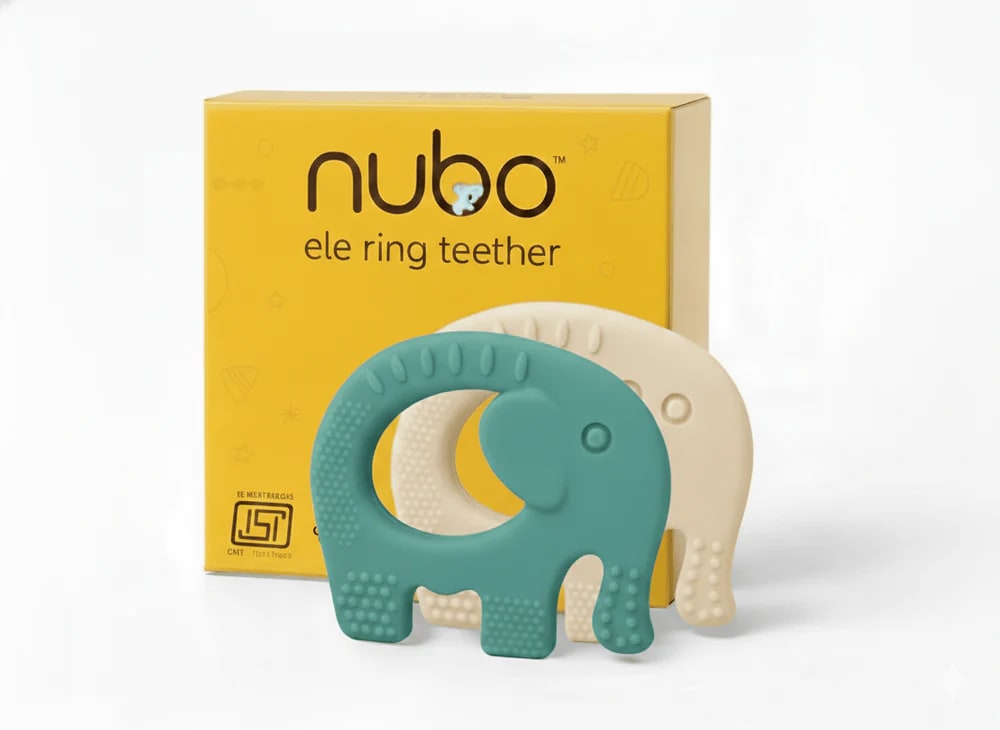
Look for rings with multiple texture zones — some bumpy, some smooth — so your child can experiment. The ELE Ring Teether Set offers this variety, designed for oral motor development and grasping at exactly this stage (₹599).
Sensory and Textured Teethers
As your toddler becomes more curious, teethers with varied textures and shapes fuel sensory exploration. Bumpy, ridged, and wavy surfaces stimulate different parts of the gums and keep your child engaged longer. These toys often double as sensory play — which supports brain development beyond just teething relief.
The Orbi Ball Silicone Sensory Teether combines relief with exploration, featuring multiple textures in one tactile toy (₹599). It's designed for oral motor development while sparking curiosity about shape and sensation.
Soft-Grip Teethers with Handles
Some 12-month-olds still enjoy softer teethers, especially if their gums alternate between tender and swollen. Teethers with built-in handles or loop grips help toddlers hold and direct the toy without dropping it constantly — a small but mighty win for independent play.
The Kiko No-Drop Newborn Teether remains useful through this transition, offering a secure grip and design that teaches hand-to-mouth coordination (₹449).
Quick Tips for Parents
- Rotate teethers: Offer a mix of soft and firmer options so your toddler can choose what feels right on any given day.
- Chill (not freeze): Place teethers in the fridge for 15–20 minutes before use. Frozen teethers can be too hard and potentially harm developing gums.
- Inspect regularly: Check teethers weekly for cracks, discoloration, or wear. Replace if damaged to ensure ongoing safety.
- Offer during peak discomfort: Teething pain is often worst before meals and at bedtime. Have teethers ready during these windows.
- Keep them clean: Wash teethers daily with warm soapy water or pop them in the dishwasher. Toddlers explore everything, so hygiene matters.
- Supervise but encourage independence: Stay nearby as your child plays, but let them reach for and use teethers on their own to build confidence and motor skills.
Transitioning From Newborn to Toddler Teethers: A Timeline
The shift from infant teether toys to teethers for kids 12+ months doesn't happen all at once. Here's a realistic timeline:
| Age Range | Teether Focus | Key Development |
|---|---|---|
| 0–6 months | Soft, easy-to-mouth silicone; small shapes for little hands | Mouth exploration; introducing hand-to-mouth; first front teeth emerging |
| 6–12 months | Graduated textures; ring teethers; some firmer options | Front teeth erupting; increasing chewing strength; better grip and coordination |
| 12–18 months | Firmer teethers; varied textures; rings and shapes; sensory toys | Canines and molars emerging; strong chewing; independent play and self-soothing |
| 18+ months | Durable teethers; varied shapes; potential weaning toward toddler chew toys | Most teeth erupting; chewing becomes a comfort and play behavior; transition to other toys |
Many parents find that having a small basket of teethers at different stages helps. You may not use all of them at once, but the range gives your toddler choice and comfort as teeth emerge at their own pace.
Common Teething Concerns at 12+ Months
Teething at this age often looks different from early teething. Your toddler might be more aware of the discomfort and more vocal about it. Here's what's typical and when to check with your pediatrician:
Increased Drooling and Swollen Gums
Swollen, tender gums are normal during teething. Offer teethers frequently and consider a soft cloth to gently wipe excess drool and prevent skin irritation around the mouth. If swelling seems extreme or gums look infected, mention it to your doctor.
Sleep Disruption
Many toddlers have tougher nights when molars are cutting. Keep a teether by the crib so your child can self-soothe if they wake. Some parents find a cool (not cold) teether placed in the crib helps nighttime comfort.
Reduced Appetite
Sore gums can make eating uncomfortable. Offer soft foods and cold treats (like unsweetened applesauce or yogurt) alongside teething relief. If your child refuses food consistently, consult your pediatrician.
Rashes or Irritation
Persistent drooling and teether chewing can irritate the skin. Keep the chin and neck clean and dry, and consider a barrier cream if rashes develop. This is not a reason to stop teethering — just extra care.
For a comprehensive guide to teething at every stage, the Teether for Kids Safe Teething Guide at Every Stage covers common concerns and solutions in detail.
Safety Standards and Certifications to Trust
In India, BIS certified teethers have been tested for safety, non-toxicity, and durability. This certification means the product meets Indian Standards for children's toys, including limits on chemical residues and safety checks for choking hazards.
When shopping for a teether for kids, always look for BIS certification and check the product label for:
- Age recommendations (should include 12+ months or toddler range)
- Materials list (food-grade silicone, medical-grade plastic, natural wood, etc.)
- Cleaning instructions and durability notes
- Choking hazard warnings if applicable
- Manufacturer contact and batch/lot number for traceability
Made in India teethers from reputable brands are increasingly meeting or exceeding international safety standards, so don't hesitate to explore local options. Supporting Indian baby brands also means your purchase aligns with ethical manufacturing practices.
Building a Teething Toolkit for Your Toddler
Instead of buying one "perfect" teether, consider creating a small collection that covers different needs and preferences. This approach reduces frustration and gives your toddler agency in choosing what feels best.
A balanced toolkit might include:
- One soft, smooth teether for tender days
- One firm, textured ring teether for active chewing
- One teether with varied textures (bumpy, wavy, ribbed)
- One teether sized for independent grip and play
- Cloth or soft toys as backup comfort tools
Store teethers in an accessible, clean space so your toddler can spot them when they need soothing. Many parents keep one in the car, one by the crib, and one in the diaper bag for outings.
For a deeper look at choosing safe teethers across your baby's first years, our guide on Best Infant Teethers: Safe Materials & Texture Guide breaks down material safety and sensory benefits in detail.
Montessori Principles and Teething Play
Montessori-inspired parenting suggests letting children lead their own exploration and self-discovery. Teethers align beautifully with this approach: instead of forcing a teether on your toddler, offer choices and let them reach, grab, and explore independently.
At 12+ months, your child is developing autonomy and decision-making. When you present multiple teethers, your toddler learns to notice what their body needs — a firmer teether when molars press harder, or a soft one when gums are especially tender. This builds body awareness and self-regulation that extend far beyond teething.
Sensory exploration through teethers also supports cognitive and motor development. Varied textures, shapes, and weights challenge your child's growing brain and hand skills. Many parents pair teethers with other sensory play — like the Sensory Baby Play Mat (₹999) — to create a rich, multi-sensory environment for exploration and comfort.
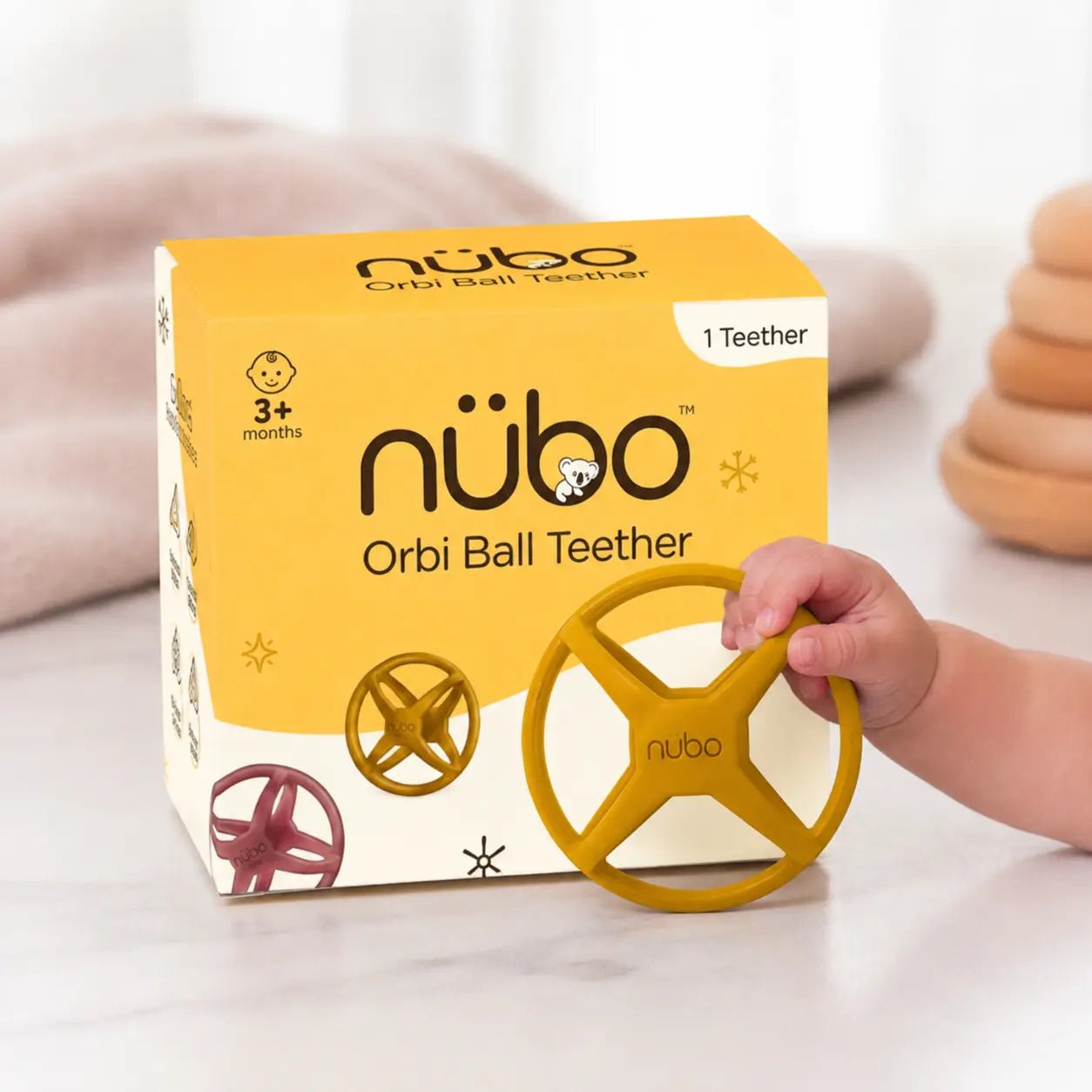
Orbi Ball Silicone Sensory Teether
BIS Certified | Varied textures | Sensory exploration | Oral motor development
₹599
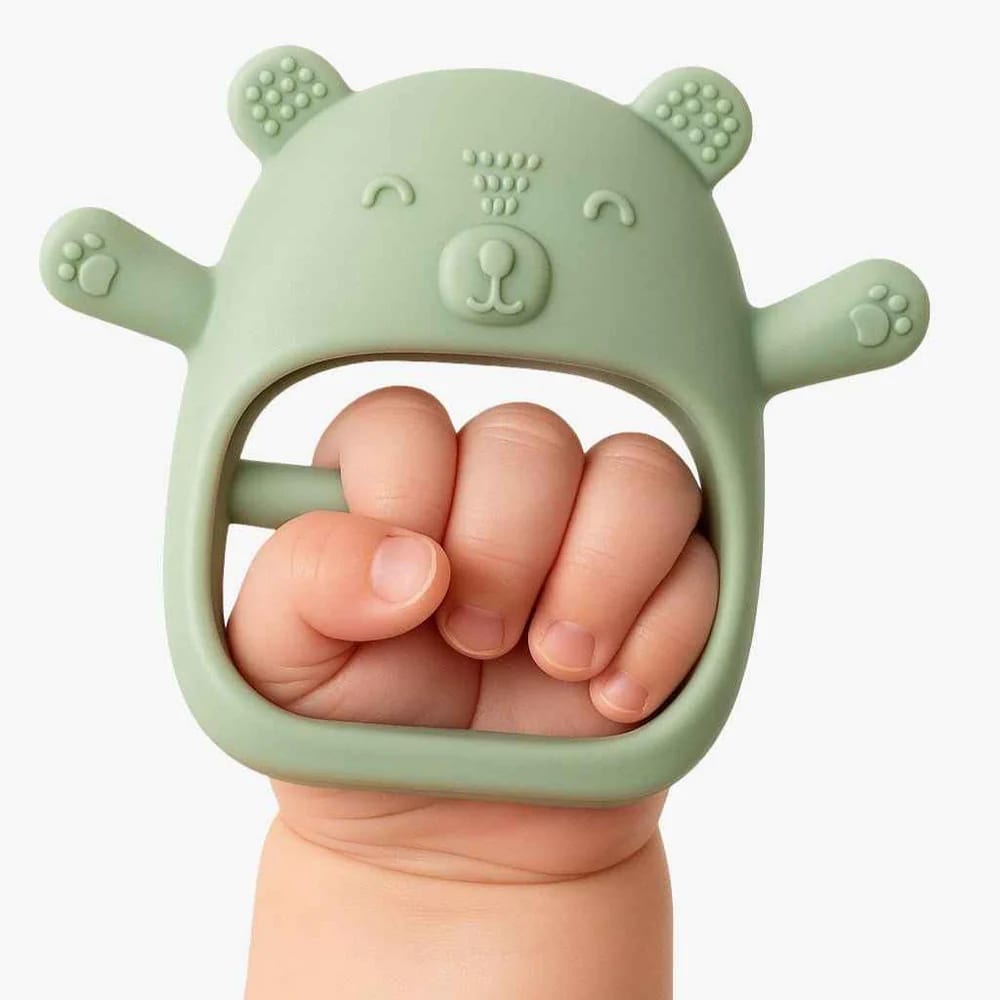
Kiko No-Drop Newborn Teether
BIS Certified | No-drop design | Hand-to-mouth skills | Secure grip
₹449
FREQUENTLY ASKED QUESTIONS
Q: When should I stop using newborn teethers and move to toddler teethers?
A: There's no hard cutoff — it's gradual. Around 12 months, as molars emerge and your baby's chewing strength increases, start introducing firmer, textured teethers alongside softer ones. Watch your child's cues: if they're gnawing hard on soft teethers or seem unsatisfied, it's time to add firmer options. Many parents keep both types in rotation.
Q: Is silicone safe for 12-month-olds to chew on?
A: Yes. Food-grade, BIS-certified silicone is safe for infants and toddlers. It's durable, non-toxic, and free of BPA. Silicone holds up well to vigorous chewing and can be easily cleaned. Always verify the certification and choose reputable brands to ensure safety standards are met.
Q: Can I use frozen teethers for a 12-month-old?
A: Chilled teethers (refrigerated for 15–20 minutes) are great and soothe sore gums. However, avoid completely frozen teethers, as the extreme cold can be too harsh on developing gums and may cause damage. Refrigerated is gentler and still effective.
Q: How often should I replace my toddler's teether?
A: Inspect teethers weekly for cracks, discoloration, or signs of wear. If you spot damage, replace immediately. With regular, gentle use and proper cleaning, most quality teethers last 6–12 months. If your toddler chews through multiple teethers quickly, switch to firmer materials like reinforced silicone.
Q: What's the difference between a teether and a chew toy?
A: Teethers are specifically designed to relieve teething discomfort by applying pressure to sore gums. Chew toys may not have the same gum-relief focus. At 12+ months, your toddler may enjoy both — teethers for soothing and chew toys for play and sensory exploration. Many products blur the line by combining both benefits.
Q: Are ring teethers better than other shapes for 12-month-olds?
A: Ring teethers are popular because they're easy to grip and hold steady. However, there's no single "best" shape — it depends on your child's preference. Some toddlers prefer the rounded edges of a ring, others like the varied textures of a ball or textured toy. Offering multiple shapes lets your child choose what feels best, which supports sensory learning and independence.
CONCLUSION
Transitioning from newborn to toddler teethers at 12+ months is a natural, exciting part of your child's development. As molars emerge and chewing strength increases, your little one needs teethers that match their growing needs — firmer, more textured, and designed for independent exploration.
The key is balance and choice: rotate teethers, watch your toddler's cues, and prioritize safety by selecting BIS-certified, age-appropriate options. Whether you choose silicone teethers, textured rings, or sensory-rich toys, you're supporting not just teething relief but also oral motor development, hand coordination, and body awareness.
Remember, every toddler is unique. Your child's teething journey may look different from your friend's — and that's completely normal. By staying attentive, keeping a toolkit of safe options on hand, and trusting your instincts, you're giving your 12-month-old exactly what they need to move through this milestone with comfort and confidence.
For more detailed guidance on teething across all stages, explore our comprehensive resource on Baby Teether Guide: Safe Choices for Infant Teething Relief.


leave a comment
This site is protected by hCaptcha and the hCaptcha Privacy Policy and Terms of Service apply.