
Quick Answer
A good infant teether is safe, easy to hold, and soothing on tender gums. Look for BIS-certified silicone teethers designed for your baby's age, check for no loose parts or harmful chemicals, and choose one with textured surfaces to massage sore gums naturally.
WHAT IS A BABY TEETHER AND WHY DOES YOUR BABY NEED ONE?
A newborn teether (or infant teether) is a safe toy designed to soothe the discomfort that comes when your baby's teeth begin to emerge. Teething typically starts around 4 to 6 months of age, though every baby is different. During this time, babies experience sore, tender gums and an irresistible urge to chew—which is completely normal and healthy.
Teethers give your baby something safe to gnaw on, reducing the urge to mouth inappropriate objects. A quality newborn teething toy provides relief while also supporting sensory development and motor skills. Your baby will naturally want to grab, hold, and explore the teether, strengthening their hand coordination and grip strength.
Beyond comfort, teething toys keep your baby engaged and focused during a potentially fussy period. Parents often find that having the right teether on hand makes everyone's day a little easier.
WHEN SHOULD YOUR BABY START USING A TEETHER?
Most babies begin teething between 4 and 6 months old, though some start as early as 3 months or as late as 12 months. You can introduce a teether as early as 3 months if your baby shows early signs of teething: drooling more than usual, chewing their fists, or swollen gums.
Some parents introduce teethers even earlier—around 2 to 3 months—as sensory exploration toys. Even if your baby isn't teething yet, handling a safe teether supports early development and familiarizes them with different textures and weights.
The key is offering age-appropriate designs. Newborns and younger infants need lighter, easier-to-grip teethers, while older babies (6+ months) can handle larger, more textured ring teethers or silicone sensory teethers that offer more varied stimulation.
TYPES OF INFANT TEETHERS: WHICH ONE IS RIGHT FOR YOUR BABY?
Not all teethers are the same. Understanding the main types helps you pick the best fit for your baby's age, needs, and developmental stage.
| Teether Type | Best Age | Key Benefits | Best For |
|---|---|---|---|
| Ring Teether | 3–12 months | Easy grip, portable, textured | First-time teethers, on-the-go relief |
| Silicone Teether | 3–24 months | Safe, soft, various textures | Gum massage, sensory play, all ages |
| No-Drop Teether | 4–12 months | Attached to clip, stays clean | Preventing loss, hygiene-conscious parents |
| Sensory Ball Teether | 6+ months | Multiple textures, rollable, engaging | Developing babies, advanced teethers |
Ring teethers are the most classic choice. Lightweight and easy for a baby to grasp, they're ideal for younger infants just starting to explore. A silicone teether is soft on gums and comes in various shapes and textures—from smooth to bumpy—offering different levels of comfort as your baby's needs evolve.
No-drop teethers attach to a clip, so they stay attached to your baby's clothing or carrier. This is perfect if you're tired of chasing teethers around. Silicone sensory teethers like a textured ball offer more advanced play for older babies (6+ months) who benefit from rolling, batting, and exploring varied surface patterns.
WHAT TO LOOK FOR WHEN CHOOSING A TEETHER FOR YOUR BABY
Selecting a teether isn't complicated, but a few non-negotiable safety and quality checks will help you feel confident in your choice.
Safety and Certification
Always buy BIS-certified teethers. A BIS (Bureau of Indian Standards) certification means the product has been tested for safety, durability, and material quality. Check the packaging for the BIS mark—it's a simple but critical safeguard.
Material: Why Silicone?
Silicone teethers are the gold standard for safety. Medical-grade silicone is non-toxic, free of BPA, phthalates, and other harmful chemicals. Unlike plastic teethers, silicone is soft on developing gums and won't leach chemicals when chewed or heated. Look for silicone teether safe for baby labels on packaging to be sure.
Size and Grip Design
Your newborn's hands are small. Choose a teether they can easily grip—typically 3–4 inches long for younger babies. Ring teethers with thick, easy-to-hold bands are perfect for this. Make sure there are no small parts that could detach, as these pose a choking risk.
Textured vs. Smooth Surfaces
Textured surfaces naturally massage sore gums and provide sensory stimulation. Bumpy, ridged, or nubbed patterns feel different in your baby's mouth and keep them engaged longer. Smooth teethers are great for younger or more sensitive babies just starting out.
Ease of Cleaning
Teethers go in your baby's mouth daily, so hygiene matters. Choose teethers that are easy to hand-wash or dishwasher-safe. Avoid designs with hard-to-reach crevices where bacteria could hide.
Temperature Play (Refrigeration Safe)
Many parents refrigerate teethers for extra cooling relief. Make sure your chosen teether can handle cold temps without warping. Silicone holds cold well and warms safely in your baby's mouth—no risk of burns.
SILICONE TEETHERS VS. OTHER MATERIALS: WHY EXPERTS PREFER SILICONE
You'll see teethers made from rubber, plastic, wood, and silicone. Here's why silicone teething stands out for safety and sensory benefits.
| Material | Safety Profile | Durability | Sensory Value |
|---|---|---|---|
| Silicone | Excellent—BPA/phthalate-free | Very durable, no tears | Versatile textures, soft |
| Rubber | Good if natural, but harder to verify | Can degrade with chewing | Firm texture, gum massage |
| Plastic | Risk of chemical leaching | Can crack or leave sharp edges | Limited, less engaging |
| Wood | Good, but risk of splinters | Depends on finish quality | Firm, classic feel |
Research indicates that silicone is the safest choice for prolonged oral contact. It doesn't degrade with chewing, won't splinter, and maintains its integrity after months of use. Silicone also cools evenly and safely—there's no risk of the material becoming too cold or causing harm to delicate baby gums.
If you choose wooden or rubber teethers, ensure they come from trusted sources with transparent material sourcing. For peace of mind, many parents opt for made in india teether brands that adhere to local safety standards and offer transparent supply chains.
QUICK TIPS FOR PARENTS: HOW TO USE AND CARE FOR TEETHERS
- Rotate teethers regularly. Having 2–3 different teethers on hand means you can refrigerate one while your baby uses another, and always have a clean backup.
- Wash teethers daily. Hand-wash with warm soapy water, or use the dishwasher if safe. Never skip cleaning—your baby's immune system is still developing.
- Refrigerate, don't freeze. Cold teethers feel soothing; frozen ones can be too hard on sensitive gums. Aim for 15–20 minutes in the fridge.
- Supervise always. Even though teethers are safe, never leave your baby unattended while teething. Check regularly for wear and tear, and replace if damaged.
- Combine with other soothing methods. Teethers work best alongside gentle gum massage, soft toys, and cuddling. A multi-sensory approach eases discomfort faster.
- Watch for developmental milestones. As your baby grows, upgrade to more complex teethers. What works at 4 months might feel too simple at 8 months.
THE NUBOKIND DIFFERENCE: TEETHERS BUILT ON MONTESSORI PRINCIPLES
Choosing a teether isn't just about gum relief—it's an opportunity to support your baby's overall development. At Nubokind, we design teethers that combine safety, sensory richness, and developmental play inspired by Montessori principles.
Our teethers are BIS-certified, made from medical-grade silicone, and thoughtfully designed for different ages and developmental stages. Each one encourages natural exploration and grip development while soothing sore gums.
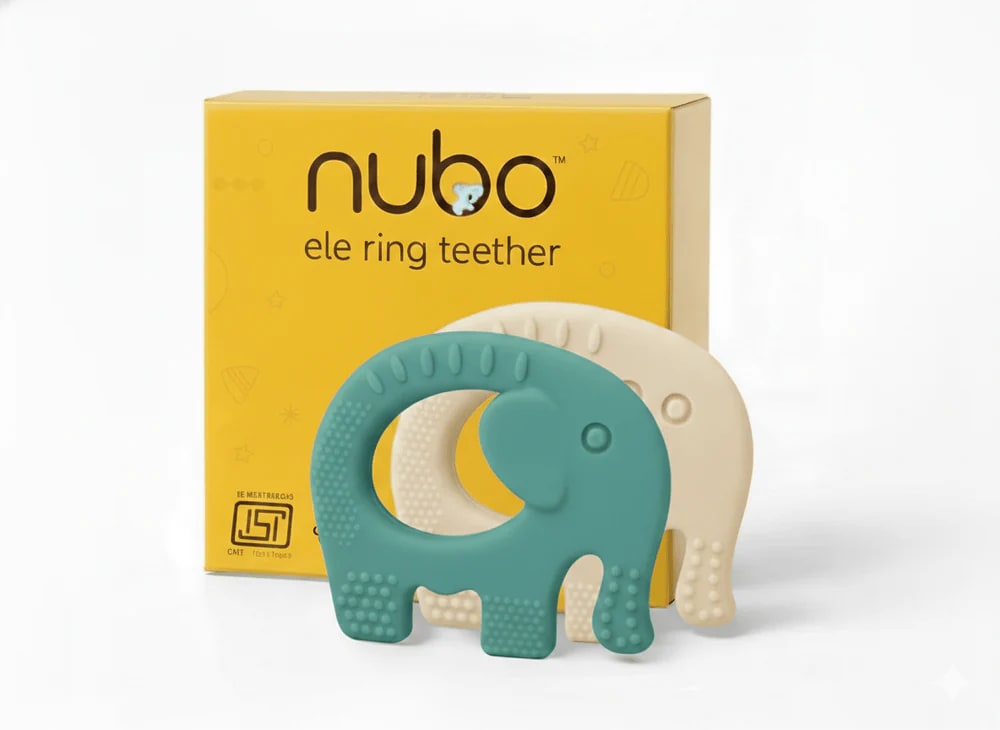
Looking for something with a no-drop design for on-the-go parents? Our Kiko No-Drop Newborn Teether keeps your teether secure while your hands stay free. At just ₹449, it's an affordable way to prevent loss and keep hygiene simple.
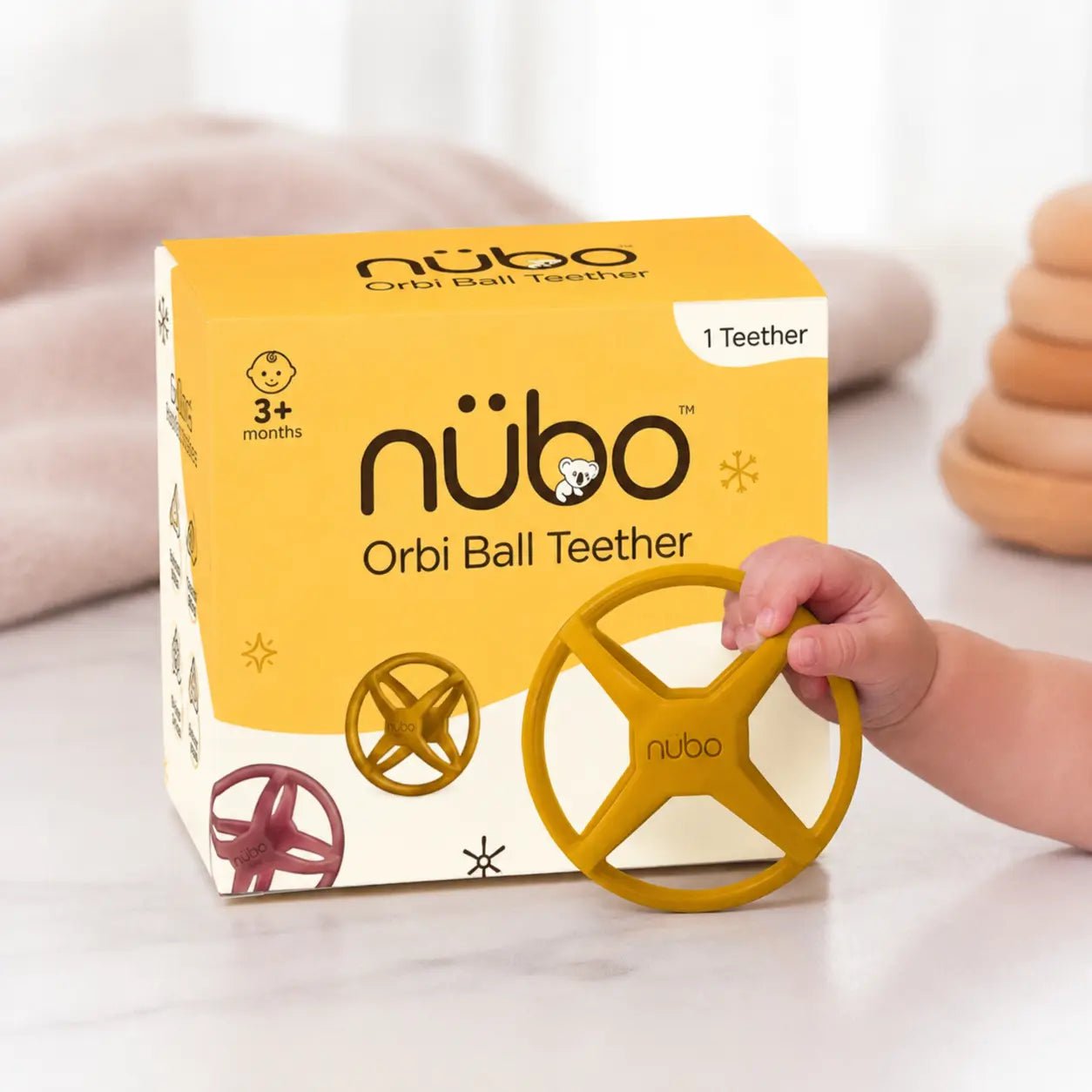
For older babies ready for advanced play, our Orbi Ball Silicone Sensory Teether combines teething relief with rolling, batting, and texture exploration—perfect for 6+ month-olds developing fine motor skills.
FREQUENTLY ASKED QUESTIONS
Q: When is the best time to introduce an infant teether?
A: You can introduce a teether as early as 3 months, even if your baby isn't actively teething yet. It supports sensory play and hand coordination. Most babies show clear teething signs (drooling, gum swelling, chewing fists) between 4 and 6 months, which is when a teether becomes particularly helpful. Age-appropriate designs matter—younger babies need lighter, easier-to-grip options.
Q: Is a silicone teether safe for my baby?
A: Yes, medical-grade silicone is one of the safest teething materials available. It's non-toxic, free of BPA and phthalates, and won't degrade or splinter with chewing. Always look for BIS-certified teethers to ensure safety standards are met. Silicone is especially safe because it remains intact even with aggressive chewing and can be safely refrigerated or hand-washed daily.
Q: How often should I clean my baby's teether?
A: Wash teethers daily with warm soapy water or use the dishwasher if the teether is dishwasher-safe. After every use is ideal, especially if your baby drops it or if you've refrigerated it. Clean teethers prevent bacterial growth and reduce the risk of infections or upset stomach.
Q: Can I freeze a teether in the freezer?
A: It's best to refrigerate rather than freeze. Frozen teethers can be too hard and may damage sensitive, swollen gums. A refrigerated teether (15–20 minutes in the fridge) offers gentle cooling relief without risk. Always check the teether before giving it to your baby to ensure it's the right temperature.
Q: What should I look for to ensure a teether is safe?
A: Check for: (1) BIS certification, (2) medical-grade or food-grade silicone material, (3) no small detachable parts, (4) no chemical odors, (5) smooth edges and secure seams, and (6) age-appropriate size and design. Always buy from trusted brands that provide transparent material sourcing and safety documentation.
Q: Are there made in India teethers that meet international safety standards?
A: Yes. Many Indian brands, including Nubokind, design and manufacture BIS-certified teethers that meet rigorous safety standards. Buying made in India teethers supports local craftsmanship while ensuring you get products designed with Indian climate and infant needs in mind. Look for BIS marks on the packaging to confirm certification.
CONCLUSION
Choosing the right newborn teether is one of the small decisions that makes parenting feel less overwhelming. A good infant teether is safe, soothing, and developmentally rich—supporting your baby's natural need to chew while giving you peace of mind.
Remember: prioritize safety first (BIS certification and medical-grade silicone), then consider your baby's age and developmental stage, and finally pick a design that fits your parenting style—whether that's a portable ring teether, a no-drop design for busy days, or a sensory ball for older babies exploring textures.
Teething is temporary, but the comfort and connection you build during this phase lasts. Explore our range of best infant teethers at Nubokind, and feel confident knowing you're giving your baby both relief and play.
Still deciding? Start with a BIS-certified silicone ring teether—it's affordable, versatile, and works for most babies across different ages. Your baby (and your nerves) will thank you.


leave a comment
This site is protected by hCaptcha and the hCaptcha Privacy Policy and Terms of Service apply.