
Quick Answer
Start offering teethers around 3–6 months. Choose from silicone, rubber, or wood materials based on safety certifications (BIS in India), your baby's preferences, and ease of cleaning. Ring teethers work well for first-time parents; silicone teethers offer sensory variety.
WHY TEETHERS MATTER FOR YOUR BABY
Teething is a natural milestone that typically begins around 3 to 6 months of age, though every baby is different. During this phase, your little one's gums become tender and sensitive as primary teeth prepare to emerge. A good newborn teether or infant teether toy offers more than just relief—it supports sensory exploration and fine motor development.
Many experts suggest that chewing on safe teething toys helps soothe discomfort and gives babies a safe outlet for their natural urge to explore objects by mouth. The act of teething also strengthens jaw muscles and gums, preparing them for solid foods down the road. Beyond physical relief, teethers provide engaging sensory experiences that support cognitive development during this critical stage.
TYPES OF TEETHERS: WHICH ONE FITS YOUR BABY?
Not all teethers are the same, and your choice depends on your baby's age, developmental stage, and personal preference. Understanding the main types helps you pick with confidence.
Ring Teethers
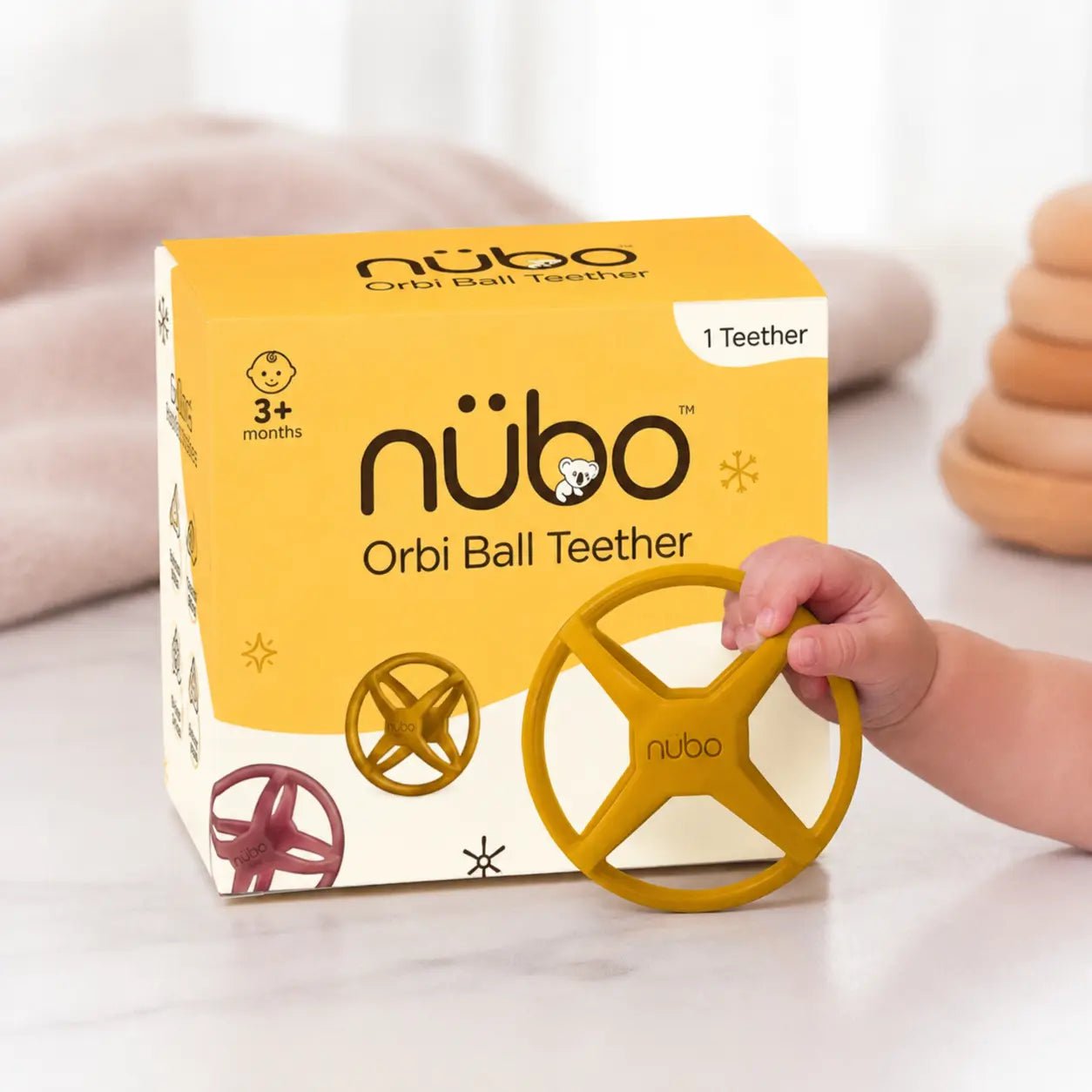
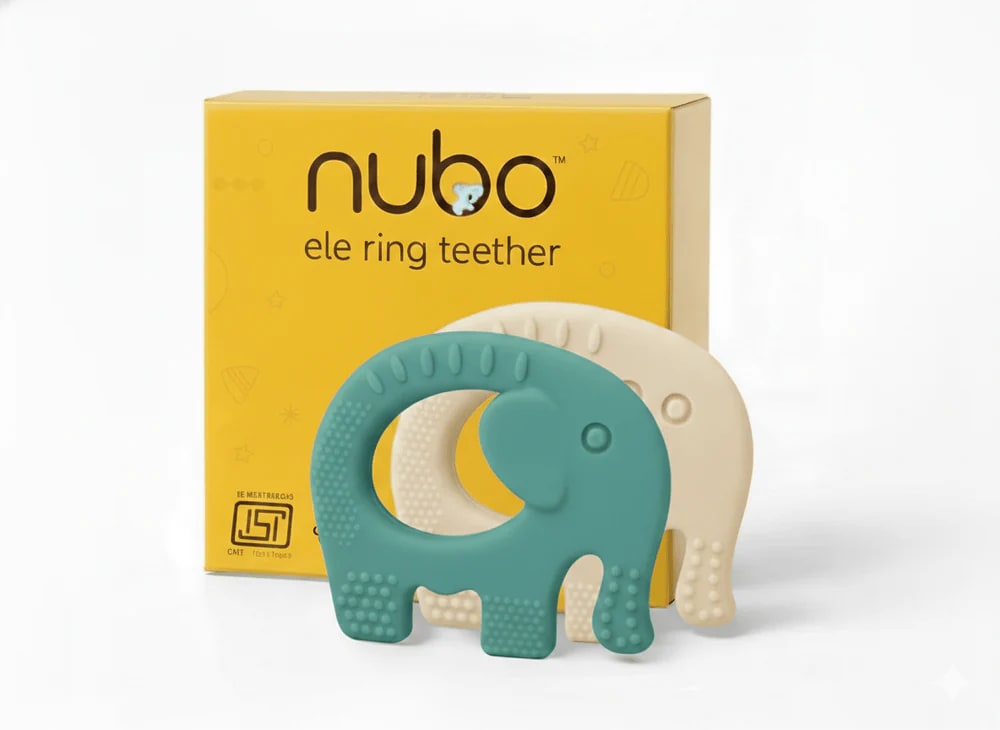
Ring teethers are the classic choice and remain popular for good reason. Their simple design makes them easy for small hands to grasp, and the hollow center gives babies something soft to chew on without choking hazards. A ring teether works beautifully for newborns and younger infants who are just beginning to explore objects. Many parents appreciate the portability—they fit easily in a diaper bag and are simple to clean. If you're looking for a best teether for newborns in India, ring designs often top the list because they're uncomplicated and effective.
Silicone Teethers
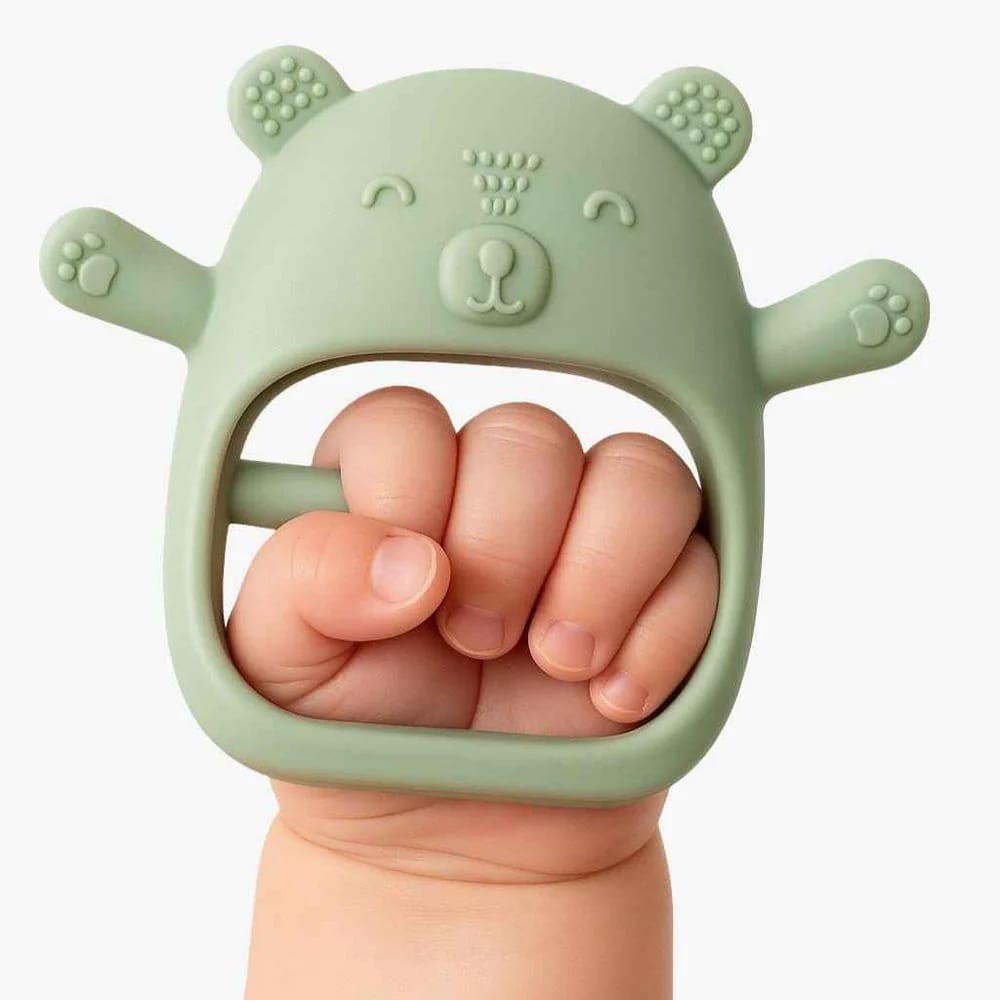
Silicone teethers for babies have become increasingly popular because they offer multiple sensory textures in one toy. A silicone teether may feature bumps, ridges, and smooth sections that engage different parts of the mouth. This variety is excellent for older infants (4–12 months) who are ready for more complex sensory input. Silicone teething products are often dishwasher-safe and durable, making them convenient for busy parents. Check that any silicone teether is BIS certified and made from food-grade silicone to ensure safety for your baby.
Textured Cloth and Wood Teethers
Some babies prefer natural materials. Wooden teethers with smooth finishes and cloth-wrapped designs appeal to parents who want a natural, sustainable option. Wood teethers are lightweight and often combined with soft fabric sections. They're ideal for babies aged 6 months and older who have better motor control. Always ensure wood teethers are untreated, splinter-free, and meet safety standards before purchasing.
MATERIALS MATTER: SAFETY FIRST
Choosing a safe material is non-negotiable. Your baby will mouth the teether frequently, so what it's made of directly affects their health and comfort.
Silicone: Flexible and Durable
Food-grade silicone is one of the safest options available. It's flexible (reducing jaw strain), dishwasher-safe, and doesn't harbor bacteria as easily as some alternatives. Silicone teethers for babies are BPA-free when sourced responsibly. Look for products labeled as BIS certified teethers in India to confirm they meet national safety standards. The texture variety in silicone teethers also makes them engaging for sensory play.
Natural Rubber: Soft and Responsive
Natural rubber teethers offer a softer chew experience than silicone. They're biodegradable and sourced from rubber trees, appealing to eco-conscious parents. However, ensure the rubber is 100% natural with no synthetic additives. Natural rubber teethers work well for younger infants whose gums need gentler pressure.
Wood: Sustainable and Long-Lasting
Wooden teethers are durable and lightweight. When untreated and properly finished, wood teethers are safe for babies 6 months and older. They often feel pleasant against the gums and are easy to grip. Always verify that wooden teethers have no splinters, are food-safe sealed, and come from a trusted made in India teether brand or certified international manufacturer.
Materials to Avoid
Steer clear of teethers with loose parts, plastic painted with non-food-safe dyes, or anything that smells chemical or off. Avoid teethers with liquid fillings that could leak, and skip products not certified for infant safety in your region.
| Material | Best For | Key Benefits | Care Tips |
|---|---|---|---|
| Food-Grade Silicone | 3–12 months | Flexible, dishwasher-safe, varied textures | Wash daily, inspect for tears |
| Natural Rubber | 3–8 months | Soft, responsive, biodegradable | Hand wash, air dry, check for cracks |
| Wood (Untreated) | 6–12 months | Durable, lightweight, eco-friendly | Wipe clean, air dry, no soaking |
HOW TO CHOOSE THE RIGHT TEETHER FOR YOUR BABY
With so many options available, here's a simple framework to guide your choice.
Consider Your Baby's Age and Stage
Newborn teethers and infant teethers designed for 3–6 months should be lightweight and easy to grip. Simple ring teethers work best here. As your baby grows (6–12 months), they're ready for more complex sensory input, and textured silicone teethers shine. By 12 months, many babies can handle wooden teethers confidently.
Think About Texture and Sensory Input
Does your baby prefer smooth surfaces or bumpy textures? Silicone teethers often offer variety—some have nubs, others have ridges. Ring teethers are uniformly smooth, while cloth-wrapped designs add softness. Offer your baby different options and watch for preferences; their favorite may surprise you.
Evaluate Grip and Safety
Can your baby hold it easily? The teether should fit comfortably in small hands without being a choking hazard. Avoid anything smaller than 2 inches (roughly 5 cm) in diameter. A good ring teether or newborn teether has no loose parts, seams, or detachable pieces. Check the manufacturer's age guidelines—they exist for a reason.
Check for Certifications
In India, look for BIS certified teethers to ensure the product meets national safety standards. International certifications like CE or FDA approval are also reassuring. Always buy from reputable brands and retailers that provide transparent safety information.
Assess Cleaning and Maintenance
Can you easily clean the teether daily? Silicone and rubber teethers are often dishwasher-safe, while wooden ones need hand washing. Easy cleanup matters because teethers accumulate saliva and bacteria—daily cleaning prevents mold and odors.
Budget and Sustainability
Good teethers range from ₹300 to ₹700 in India. Don't assume expensive means better; focus on safety certifications and material quality. Consider whether you prefer eco-friendly options like wood or natural rubber, or the practicality of silicone teethers that last through multiple children.
QUICK TIPS FOR PARENTS
- Start introducing teethers at 3–4 months even if teeth haven't emerged yet; it familiarizes your baby with the sensation and eases the transition when teething begins.
- Rotate teethers regularly to keep your baby's sensory experience fresh and prevent boredom. Mix ring teethers, silicone teethers, and cloth options.
- Clean daily without fail. Wash teethers with warm soapy water or pop them in the dishwasher if safe. Inspect regularly for cracks, tears, or mold, especially in cloth sections.
- Never tie a teether around your baby's neck or wrist—this poses a strangulation risk. Use a clip or short ribbon attached to clothing instead, or simply let your baby hold it.
- Refrigerate, don't freeze. A cool (not frozen) teether feels soothing on sore gums. Extreme cold can numb the gums too much or damage the material. Pop it in the fridge for 30 minutes before use.
- Watch for signs that teething is causing real distress. Excessive drooling, mild fever, or swollen gums are normal, but high fever or severe symptoms warrant a pediatrician visit.
FREQUENTLY ASKED QUESTIONS
When should I introduce a newborn teether?
Most experts recommend introducing a newborn teether or infant teether around 3–4 months of age, even before teeth emerge. Early introduction helps babies get used to chewing sensations and makes the transition smoother when active teething begins (typically 4–6 months). Always supervise and ensure any teether is age-appropriate and BIS certified.
Is a silicone teether safe for my baby?
Yes, a food-grade silicone teether is very safe when sourced from a reputable brand. Silicone teethers for babies are non-toxic, BPA-free, and free of harmful chemicals. The key is ensuring the product is BIS certified (in India) or has equivalent international safety approvals. Always inspect for tears or damage before each use, and clean daily to prevent mold.
Can teething toys really relieve my baby's discomfort?
Research indicates that chewing on safe teething toys can provide temporary relief from tender gums. The pressure and sensation help soothe discomfort, and the act of chewing engages muscles that ease jaw tension. While a teether won't eliminate all teething discomfort, it's a safe, drug-free option that also supports sensory development. Combine teethers with other comfort measures like gum massage (clean finger) or cool (not frozen) cloth.
What's the best teether for babies in India that won't break the bank?
Quality teethers in India range from ₹300 to ₹700. Look for BIS certified options that use food-grade silicone or natural rubber rather than assuming higher price equals better quality. Many affordable, safe infant teethers are available from Indian brands—focus on material safety and certifications over brand prestige. Ring teethers tend to be simpler and more affordable while remaining highly effective.
How often should I clean a teether, and what's the best method?
Clean your baby's teether daily with warm soapy water and a soft brush, or place it in the dishwasher if the manufacturer approves. For cloth-wrapped teethers, hand washing is safer. Inspect the teether weekly for signs of mold, cracks, or discoloration. If you notice mold inside crevices or on cloth sections, it's time to replace it. Proper cleaning prevents bacterial growth and extends the teether's lifespan.
Are made-in-India teethers as safe as imported ones?
Absolutely. A made-in-India teether that is BIS certified meets the same rigorous safety standards as imported products. Many Indian brands now produce excellent infant teethers using food-grade silicone and sustainable practices. The key is checking for proper certification and transparent material sourcing, not the country of origin. Supporting local brands is a great way to access safe, affordable teethers while supporting Indian manufacturing.
CONCLUSION
Choosing the right newborn teether or infant teether toy doesn't have to be complicated. Start by understanding your baby's age and sensory preferences, prioritize BIS certified, food-grade materials, and select a design that's easy to clean and safe to grip. Whether you choose a classic ring teether, a textured silicone option, or a natural wood design, the best teether for your baby is one they enjoy using and one you trust completely.
Teething is a brief but important milestone in your baby's development. The right teether supports not only comfort but also sensory exploration and fine motor skills during these early months. Take time to observe what your baby responds to, rotate options to keep things engaging, and don't hesitate to reach out to your pediatrician if teething symptoms seem unusual.
Explore options that combine safety, sensory variety, and durability—like Nubokind's range of teethers, which are designed with early development in mind. Your thoughtful choice today supports your baby's growth and gives you peace of mind. Happy teething!


,%20your%20baby's%20preferences,%20and%20ease%20of%20cleani...)
leave a comment
This site is protected by hCaptcha and the hCaptcha Privacy Policy and Terms of Service apply.