
Quick Answer
Silicone is safe for baby teethers when certified. Look for BIS certification, food-grade silicone, phthalate-free construction, and designs with textured surfaces for sensory play. Check age recommendations and ensure no small parts that could detach.
IS SILICONE SAFE FOR BABY TEETHERS?
Yes, silicone is one of the safest materials for infant teether toys when manufactured responsibly. Silicone doesn't contain harmful chemicals like BPA or phthalates, doesn't leach toxins, and is durable enough to withstand months of chewing. Many pediatricians and child development experts recommend silicone-based teethers because of these properties.
That said, not every silicone teether on the market is created equal. The key is knowing what to look for—certifications, materials, design features, and age-appropriate safety markers. This guide walks you through everything a parent needs to know before choosing the best teether for your baby.
When you select a silicone teething toy, you're investing in something your baby will chew on repeatedly, sometimes multiple times a day. That's why quality and safety standards matter so much.
WHAT MAKES A SAFE SILICONE TEETHER?
Certification is your first checkpoint. In India, look for the BIS (Bureau of Indian Standards) certification mark on the product or packaging. BIS certification means the silicone teether has been tested for chemical safety, durability, and freedom from harmful substances. This is non-negotiable for newborn teethers and infant teething relief products.
Beyond certification, a safe silicone teether should be made from food-grade silicone—the same material used in baby bottles and pacifiers. Food-grade silicone is softer, gentler on gums, and less likely to tear or degrade. It's also easier to clean and sterilize.
Look for these red flags to avoid: loose parts, rough edges, faded colors (which can indicate poor manufacturing), off-gassing (a chemical smell when opened), or teethers that aren't from trusted brands. If something feels or smells wrong, trust your instinct and return it.
KEY FEATURES TO LOOK FOR IN AN INFANT TEETHER
A well-designed infant teether isn't just about softness—it's about supporting your baby's development and teething comfort. Here's what experienced parents and experts recommend:
| Feature | Why It Matters | What to Check |
|---|---|---|
| Textured Surface | Massages sore gums and supports sensory exploration | Multiple textures (bumps, ridges, ripples) across the teether |
| Lightweight & Grip-Friendly | Baby can hold it independently and self-soothe | Easy for small hands to grip; under 100g |
| Size & Shape | Fits in baby's mouth; no choking hazard | Follows age-appropriate size guidelines; no detachable parts |
| Easy to Clean | Hygiene is critical; babies explore with their mouths | Dishwasher-safe or simple hand wash; no crevices for mold |
| Temperature Responsive | Cold teethers feel soothing (some parents refrigerate safely) | Material should hold cold without becoming too hard |
Beyond these physical qualities, a good newborn teether also supports Montessori-inspired sensory play—allowing babies to explore textures, shapes, and cause-and-effect. This supports cognitive and fine motor development during a critical window.
TEETHERS FOR DIFFERENT STAGES: AGE RECOMMENDATIONS
Not all teethers are right for every age. Babies' motor skills, mouth strength, and teething timeline vary. Here's a practical guide to teething toys for infants at different stages:
| Age Range | Teething Stage | Best Teether Type | Key Features |
|---|---|---|---|
| 0–3 months | Pre-teething; exploration phase | Sensory teethers; ring teethers | Lightweight, multiple textures, easy to grip, no small parts |
| 3–6 months | Gums become tender; chewing increases | Ring teether; textured teething ring | Varied textures, soft silicone, refrigerator-safe |
| 6–12 months | Active teething; first teeth appear | Sensory teethers; ball-shaped teethers | Firmer silicone, multiple textures, handles or attachments |
| 12+ months | Multiple teeth emerging; strong chewer | Durable sensory teethers | Thicker silicone, pronounced textures, easy to clean |
Your baby's individual readiness matters more than age alone. Some babies start teething at 4 months; others wait until 8 months. Drooling, swollen gums, and chewing on hands are early signs your infant is ready for teething relief tools.
QUICK TIPS FOR PARENTS
- Always check for BIS certification or equivalent safety marks before purchasing any silicone teether for your newborn.
- Refrigerate (don't freeze) teethers for 30 minutes before use to provide numbing relief—avoid the freezer, which can make silicone too hard and damage gums.
- Inspect teethers weekly for signs of wear, tears, or discoloration. Replace any teether that shows damage.
- Rotate between 2–3 different teethers to keep your baby engaged and to ensure each one gets proper cleaning time.
- Sterilize new teethers before first use—either by boiling for 5 minutes or using a steam sterilizer. Thereafter, hand wash or dishwasher-safe options work fine.
- Never attach teethers to strings or cords around baby's neck; always use clip attachments or keep them hand-held for safety.
CHOOSING THE BEST TEETHER FOR BABIES IN INDIA
If you're shopping for the best teether for baby in India, you have several trusted options. Prioritize locally made teethers that adhere to BIS standards—they're often tested for Indian climate conditions (heat, humidity) and are easier to replace or return if there's an issue.
Look for brands that are transparent about their sourcing and materials. A good sign is detailed product information that explains the silicone grade, certifications, and recommended age ranges. Reading parent reviews from other Indian families can also offer real-world insights into durability and effectiveness.
Price isn't always a marker of quality, but extremely cheap teethers often cut corners on material safety. A mid-range silicone teether from a certified manufacturer usually offers better value than a knockoff.
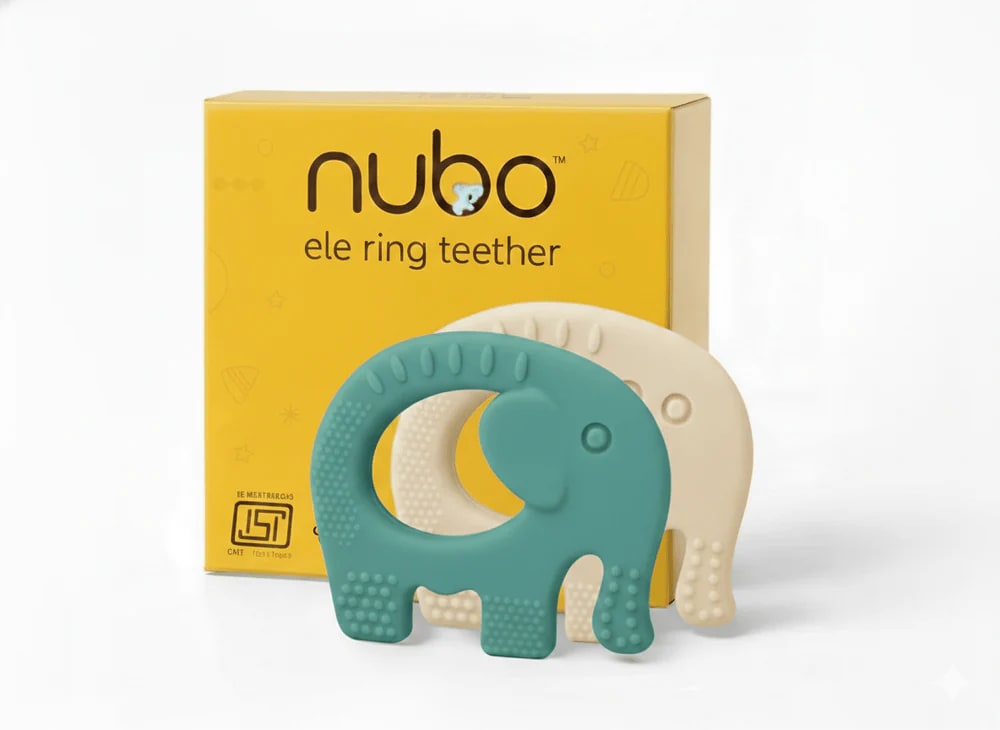
Consider buying a ring teether set with multiple textures and colors. This gives your baby variety for sensory exploration and covers different teething stages as they grow.
FREQUENTLY ASKED QUESTIONS
Q: Is silicone teether safe for newborns?
A: Yes, when sourced from a reputable manufacturer with proper certifications. Newborns at 0–3 months benefit most from lightweight, easy-to-grip ring teethers with soft, food-grade silicone. Always ensure the teether is BIS certified and has no small detachable parts.
Q: Can I refrigerate a silicone teether?
A: Yes, refrigeration is safe and actually recommended for soothing swollen gums. Place the teether in the fridge (not freezer) for 30 minutes before use. A cold teether numbs the area slightly, providing relief. However, avoid freezing solid, as this can make the silicone too hard and potentially harm tender gums.
Q: How often should I replace my baby's silicone teether?
A: A quality food-grade silicone teether can last 6–12 months with proper care. Inspect it weekly for tears, discoloration, or rough patches. Replace immediately if you notice damage. Also replace if there's any sign of mold or persistent staining that won't come off after cleaning.
Q: What's the difference between a ring teether and a sensory teether?
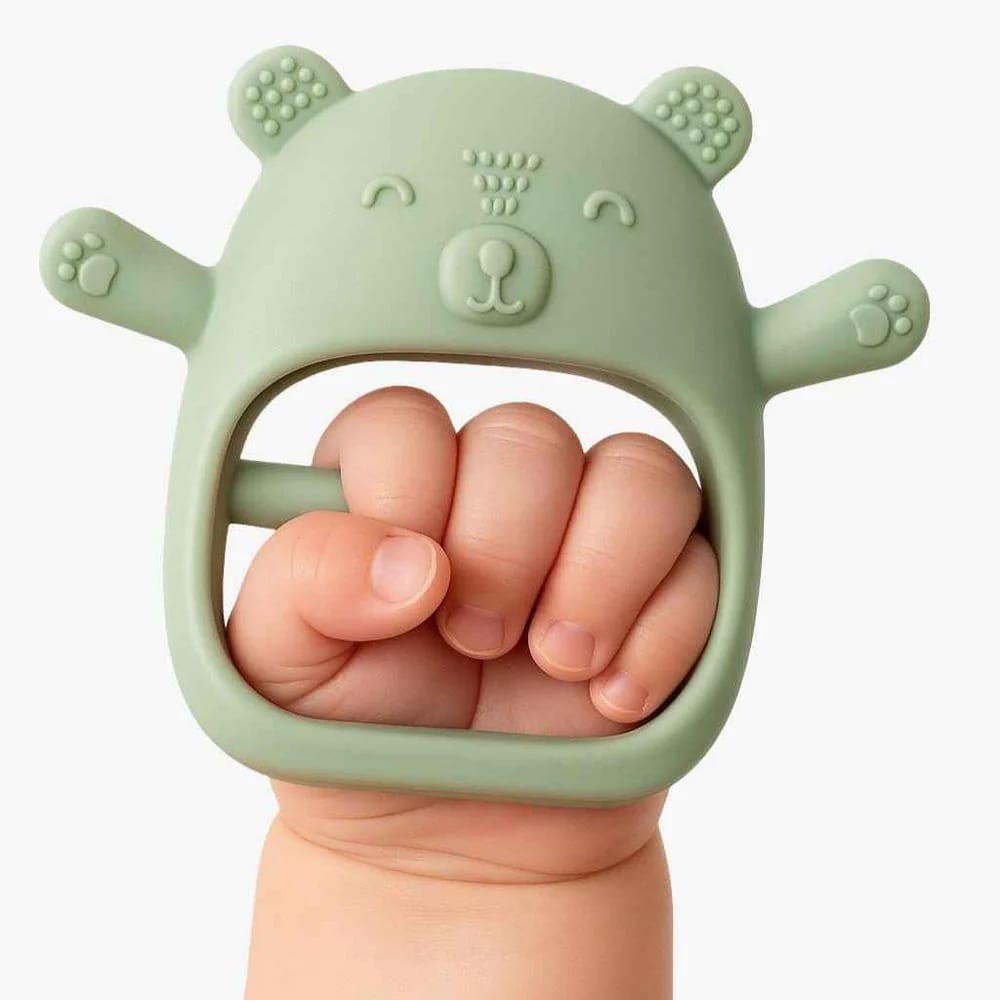
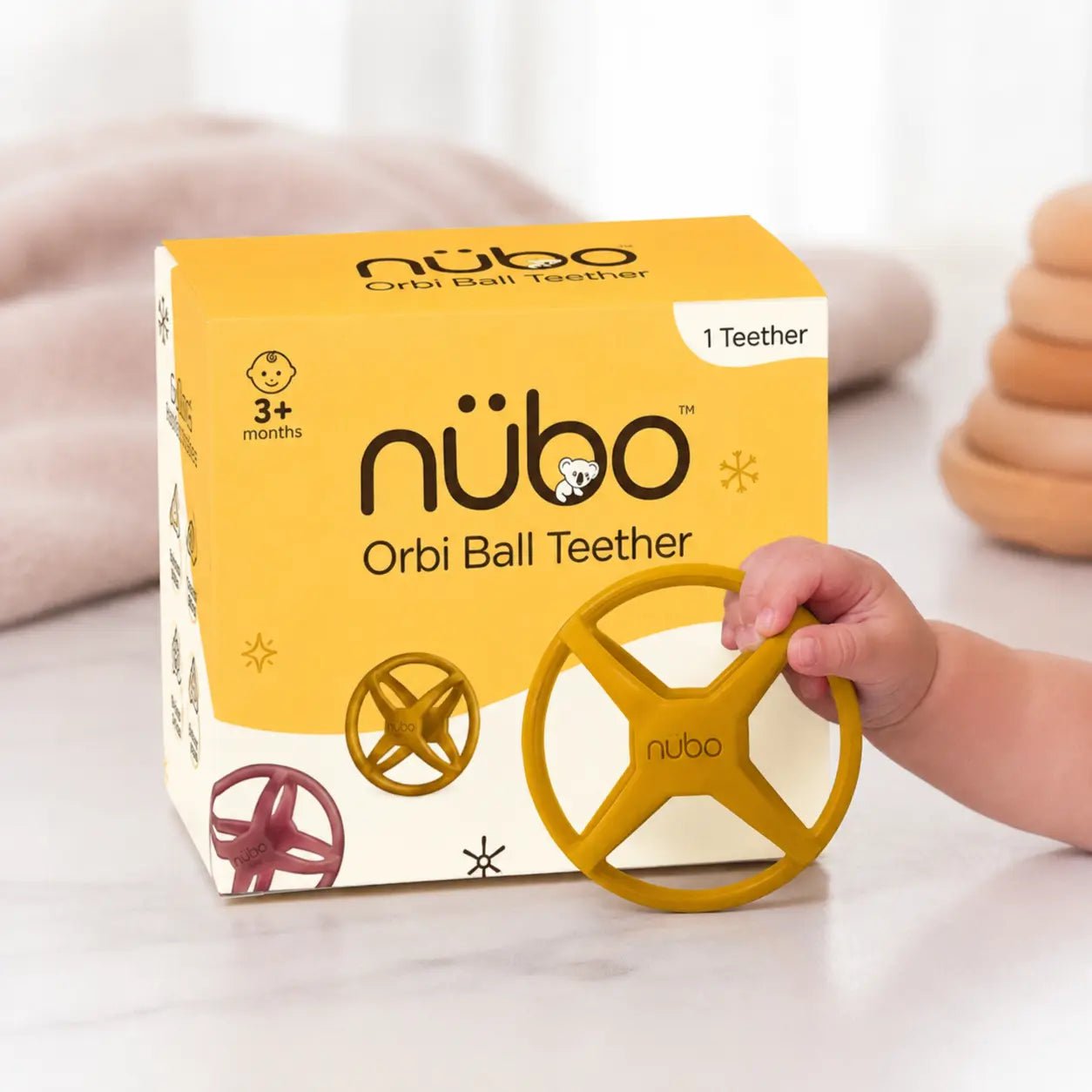
A: A ring teether is typically a simple loop with varied textures, designed for easy gripping and straightforward relief. A sensory teether (like a ball or multi-textured design) offers more exploration opportunities—different bumps, ridges, and shapes that support Montessori-style sensory play while also soothing gums.
Q: Are made-in-India teethers as safe as imported ones?
A: Absolutely. A made in India teether with BIS certification meets the same strict safety standards as any imported product. Indian manufacturers often test specifically for local climate and humidity, which can be advantageous. Always prioritize certification over origin.
Q: Can I use the same teether for my baby from newborn to 12 months?
A: Not ideally. While one teether can work across a range, babies' needs change. A newborn needs something very soft and lightweight; a 10-month-old with teeth coming in needs firmer textures. Rotating or upgrading to age-appropriate designs ensures your baby gets the right sensory feedback and relief at each stage.
CONCLUSION
A silicone teether is one of the most practical investments you'll make in your baby's early months. When you choose a BIS-certified, food-grade silicone teether with thoughtful design, you're providing safe sensory play and teething relief all at once.
Remember: safety starts with certifications and trusted brands. Features like varied textures, easy grip, and age-appropriate sizing make all the difference in your baby's comfort and development. Whether you're looking for a simple ring teether for a newborn or a sensory teether for an older infant, the principles remain the same—quality materials, clean manufacturing, and design that supports your baby's growth.
Take time to read parent reviews, check for certifications, and don't hesitate to ask questions when purchasing. Your baby will spend months chewing on this little tool, so getting it right matters. Explore Nubokind's teether collection to find options designed with Montessori principles and rigorous safety standards.
Happy teething—for both baby and parent.


leave a comment
This site is protected by hCaptcha and the hCaptcha Privacy Policy and Terms of Service apply.