
Quick Answer
Introduce a teether around 3–4 months when drooling increases. Look for BIS-certified silicone or natural rubber teethers with varied textures, cool-gel fill options, and safe grip designs. Avoid teethers with small parts or harmful chemicals.
Finding the Perfect Newborn Teether
Your baby is drooling more than usual, chewing on their fists, and you're wondering: Is it time for a teether? Welcome to one of parenthood's biggest "aha" moments — and one of the most helpful ones too.
Here's what actually works for Indian parents and has been trusted by thousands:
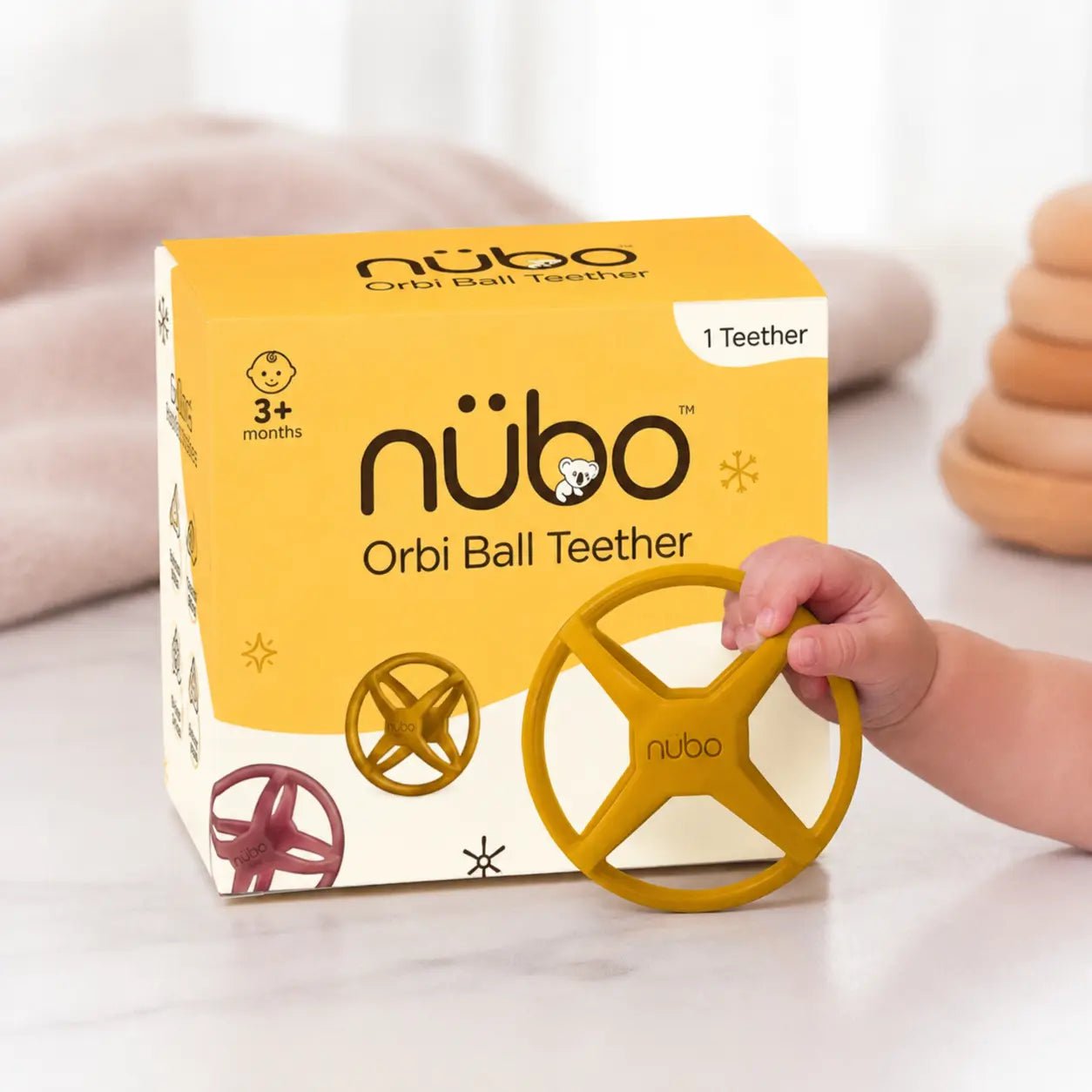
Orbi Ball Silicone Sensory Teether
BIS Certified | Textured Silicone | Sensory Development | 3M+
₹599
Why a Good Teether Matters for Your Baby
Teething isn't just about comfort — it's a crucial part of your baby's early development. When babies mouth and chew on safe objects, they're exploring textures, building jaw strength, and engaging their sensory systems. This tactile play is how they learn about the world.
The right teether does more than soothe sore gums. It provides multi-sensory input that supports brain development during one of the most critical windows — the first year of life. Montessori-inspired play teaches babies cause and effect, fine motor skills, and hand-mouth coordination.
But here's the catch: not all teethers are created equal. Many products sold in India lack proper certification, contain harmful plastics, or are simply poorly designed. As parents, you deserve to know exactly what's safe to put in your baby's mouth.
What to Look for in an Infant Teether
Choosing the right teether doesn't have to be overwhelming. Focus on these key qualities:
| What to Look For | Good Quality Teethers | Signs of Poor Quality |
|---|---|---|
| Material | 100% food-grade silicone, natural rubber, or BPA-free options | Plastic, PVC, or unknown materials; no certification |
| Safety Certification | BIS certified (India), FDA-approved, or international safety marks | No certifications; vague or missing safety labels |
| Texture Variety | Multiple textures on one teether (bumpy, smooth, ridged) for sensory play | Single flat surface; boring design with no sensory value |
| Design for Safety | No small detachable parts, ergonomic grip, easy to hold and clean | Loose pieces, sharp edges, difficult to grip or unhygienic |
| Age Appropriateness | Teethers designed for specific ages (newborn vs. 6M+) with size/weight suited to stage | One-size-fits-all approach; no developmental consideration |
| Cooling Options | Refrigerator-safe design; some include gel-fill for extra relief | Cannot be chilled; no comfort features |
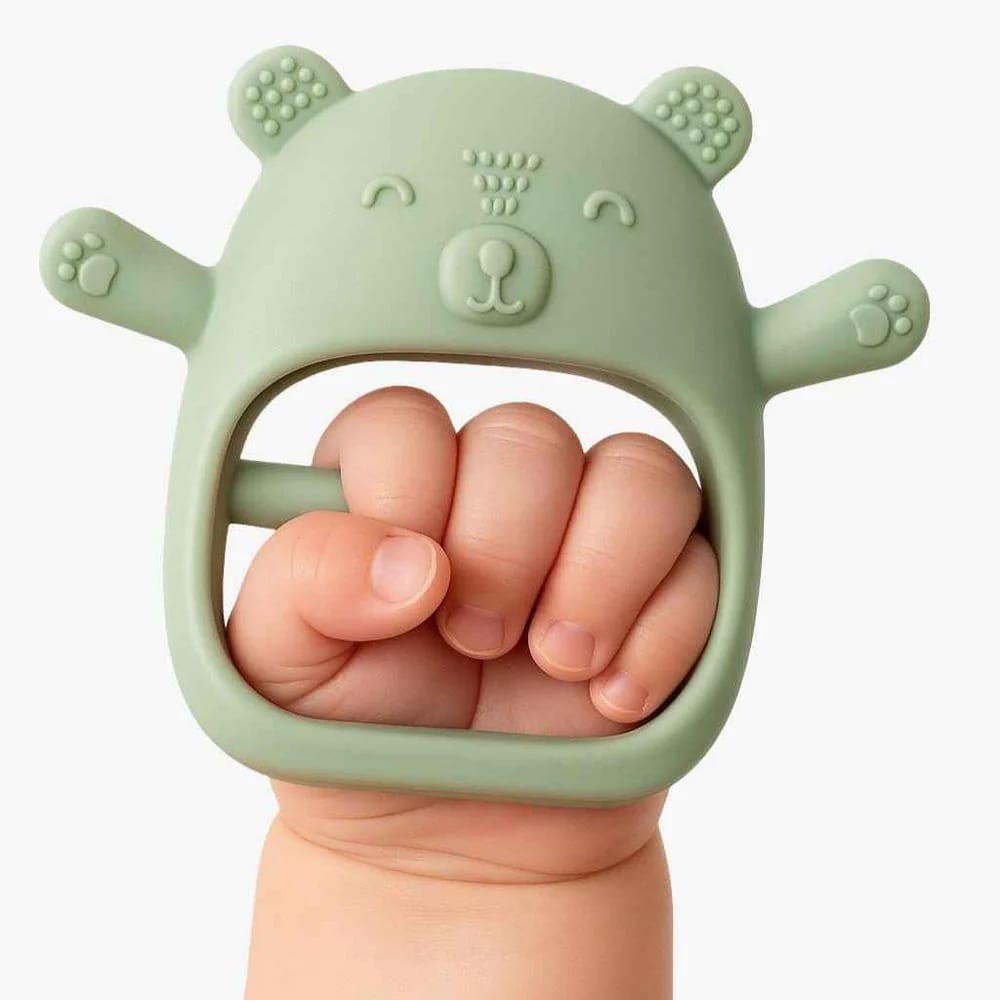
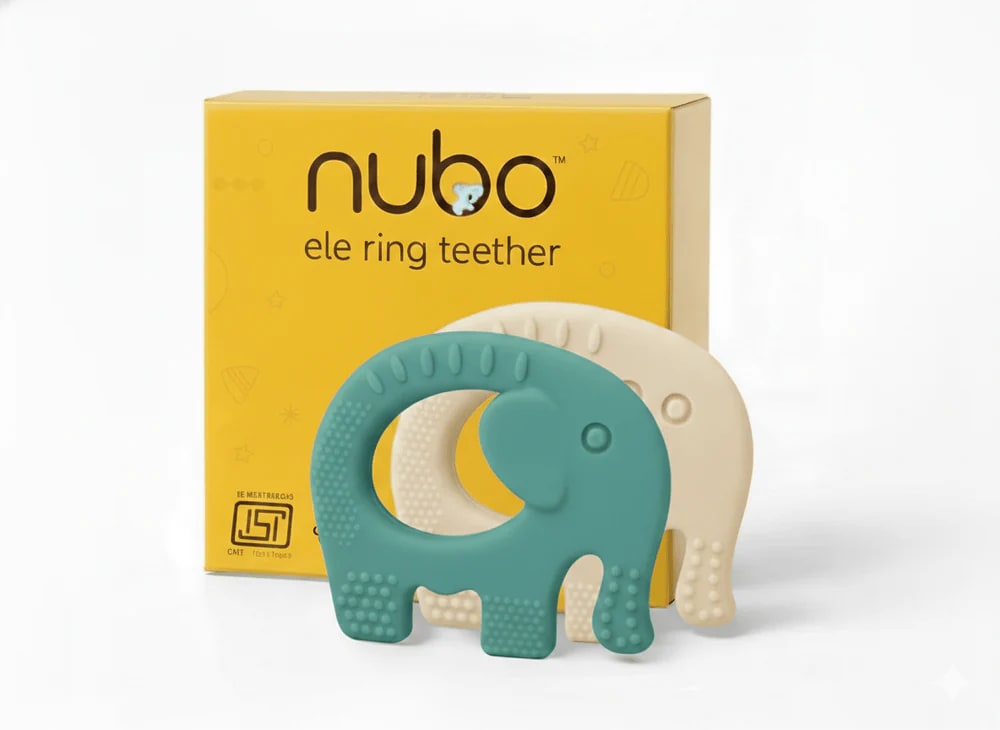
Why Nubokind's infant teethers stand out: All Nubokind products are BIS certified, made from safe, food-grade silicone, and designed with sensory play in mind. The ELE Ring Teether Set features multiple textures on a single ring, engaging your baby's touch while soothing tender gums. The Kiko No-Drop Teether is ergonomically designed so tiny hands can grip it securely — no fumbling, no frustration.
When to Introduce an Infant Teether
Most babies show signs of readiness around 3 to 6 months, though every baby is different. Watch for these cues: increased drooling, chewing on hands or toys, swollen gums, or slight changes in sleep or appetite. Some babies may show interest earlier; others later — and both are completely normal.
You don't need to wait until teeth actually appear to offer a teether. Early introduction is actually beneficial because it supports sensory development and prepares your baby for the teething phase ahead. The Kiko No-Drop Newborn Teether is safe from birth, making it perfect for curious newborns just beginning to explore their world.
Social Proof: Real Parents, Real Results
Prabha
Amazing teether
Beautifully designed and easy for little hands to hold. The soft texture is gentle on my baby’s gums, and the quality feels premium. A thoughtful teether that my baby genuinely enjoys using.
Thank you so much nubokind for making such a great thing🌸
Vanessa
Safest teether
I was looking for a safe teether, and this exceeded my expectations. Great quality, beautiful design, and my baby absolutely loves it.
Quick Tips for Choosing & Using Teethers
- Check the age recommendation: Newborn teethers are softer and easier to grip; 6M+ teethers can be firmer for stronger chewers.
- Refrigerate, don't freeze: A cool teether feels soothing on sore gums, but freezing can make silicone too hard. Keep in the fridge for 30–60 minutes before use.
- Rotate multiple teethers: Offering different textures keeps your baby's sensory play fresh and prevents boredom. Mix ring teethers with textured balls for variety.
- Cleanliness is key: Wash teethers daily with warm soapy water or sterilize in boiling water. Babies mouth everything, so hygiene matters.
- Observe your baby's preference: Some babies prefer soft silicone rings; others like textured balls. Let your baby guide you — their comfort tells you what works.
- Combine with other sensory play: A teether is one tool in your developmental toolkit. Pair it with cloth books and flashcards for well-rounded sensory stimulation.
Frequently Asked Questions
Q: At what age should I introduce a teether for my baby?
A: Most babies show readiness between 3 to 6 months, but you can safely introduce a newborn teether from birth. Early introduction supports sensory exploration and prepares your baby for teething. The Kiko No-Drop Newborn Teether is specifically designed for babies from birth onward.
Q: What's the difference between a newborn teether and an infant teether?
A: Newborn teethers are softer, lighter, and designed for smaller hands with easier grips — perfect for early tactile play. Infant teethers (3M+) may include firmer textures and varied shapes to match your baby's growing strength and chewing needs. Both serve important developmental purposes at their respective stages.
Q: Is silicone safe for teethers? What about natural rubber?
A: Yes, food-grade silicone and natural rubber are both safe when certified by BIS or international bodies. Look for products with clear safety certifications and avoid cheap plastics or unknown materials. All Nubokind teethers are made from safe, certified materials so you can have complete peace of mind.
Q: Can I put a teether in the freezer to cool it?
A: Refrigerate, don't freeze. Freezing can make silicone too hard and potentially uncomfortable on baby's gums. Keep your teether in the fridge for 30–60 minutes before use for soothing coolness without risk.
Q: How do I know if a teether is BIS certified?
A: Check the product packaging and description for the BIS mark (Bureau of Indian Standards) or international certifications like CE or FDA. Reputable brands like Nubokind clearly display all certifications on their product pages and packaging, so you can verify safety before purchase.
Q: Do I need multiple teethers, or is one enough?
A: One teether is fine to start, but having 2–3 different types (ring, ball, textured) enriches your baby's sensory play and gives you backup while cleaning. The ELE Ring Teether Set comes in multiple pieces, offering variety in one purchase.
Conclusion
Choosing a teether is one of your first big parenting purchases — and it deserves the same care and research you'd give to anything else your baby uses. A good teether supports sensory development, provides comfort, and gives you peace of mind knowing it's safe and certified.
Whether you're a first-time parent navigating the overwhelming world of baby gear or an experienced caregiver looking for quality products, Nubokind's teethers are designed by parents, for parents — with Montessori principles and rigorous safety standards built in.
Explore the ELE Ring Teether Set, discover the Kiko No-Drop Newborn Teether, or browse our full collection of developmental products to find the perfect fit for your baby's stage and needs.


leave a comment
This site is protected by hCaptcha and the hCaptcha Privacy Policy and Terms of Service apply.