
Quick Answer
Safe teethers combine BIS-certified silicone, soft textures, and age-appropriate designs. Look for ring teethers for newborns 3–6 months and silicone teethers for older infants. Avoid loose parts, ensure proper grip, and prioritize materials free from BPA and harmful chemicals.
The Right Teether Makes All the Difference
It's 2 AM. Your baby is drooling, chewing their fists, and uncomfortable. You've read 47 product reviews, texted your mom twice, and you're still not sure which teether will actually help. The truth? Choosing a teether isn't just about picking the cutest shape—it's about understanding what your baby's gums truly need, and what keeps them safe while they soothe.
Here's what actually helped us—and thousands of Indian parents:
Why Teething Relief Matters—Beyond Comfort
Teething isn't just about sore gums. When babies start exploring their mouths (usually around 3–4 months), they're engaging in critical sensory development. The right teether supports this natural exploration while offering relief and building fine motor skills.
But here's what many parents don't realize: a poorly chosen teether can cause frustration, or worse, safety concerns. Loose parts, toxic materials, or designs that don't fit your baby's developmental stage can turn what should be soothing into stressful. That's why understanding what makes a teether truly safe—and truly helpful—is the first step to confident parenting.
When you choose thoughtfully, teething becomes an opportunity. Your baby learns cause and effect, explores textures, and develops stronger jaw and mouth muscles—all while you both get some much-needed relief.
What to Look For in a Safe, Effective Teether
Not all teethers are created equal. Here's what separates the truly helpful ones from the rest:
| Feature to Check | Good Quality Teether | Poor Quality Teether |
|---|---|---|
| Material | BIS-certified medical-grade silicone, BPA & phthalate-free | Unknown plastic, unverified sourcing, potential toxins |
| Design | No small detachable parts; ergonomic grip; easy for baby to hold | Small loose components, awkward shapes, difficult grip |
| Age Appropriateness | Ring teethers for 3–6 mo.; textured balls for 6+ mo. | One-size-fits-all approach; ignores developmental stages |
| Hygiene | Smooth surfaces, dishwasher-safe, resists mold buildup | Crevices that trap bacteria, difficult to clean |
| Texture Variety | Multiple bumps, ridges for sensory input & varied relief | Flat or uniform texture; limited stimulation |
Why Material Matters Most
Silicone teethers are the gold standard—but only if they're medical-grade and certified. BIS (Bureau of Indian Standards) certification ensures your teether has been tested for safety and free from harmful substances. When you see that certification, you know a product has passed rigorous checks for toxins, durability, and actual effectiveness.
At Nubokind, every infant teether and newborn teether is BIS-certified and made in India, so you're supporting local quality while trusting international safety standards. The silicone is soft enough to soothe tender gums but durable enough to withstand constant chewing—exactly what developing babies need.
Grip & Design: Safety Meets Practicality
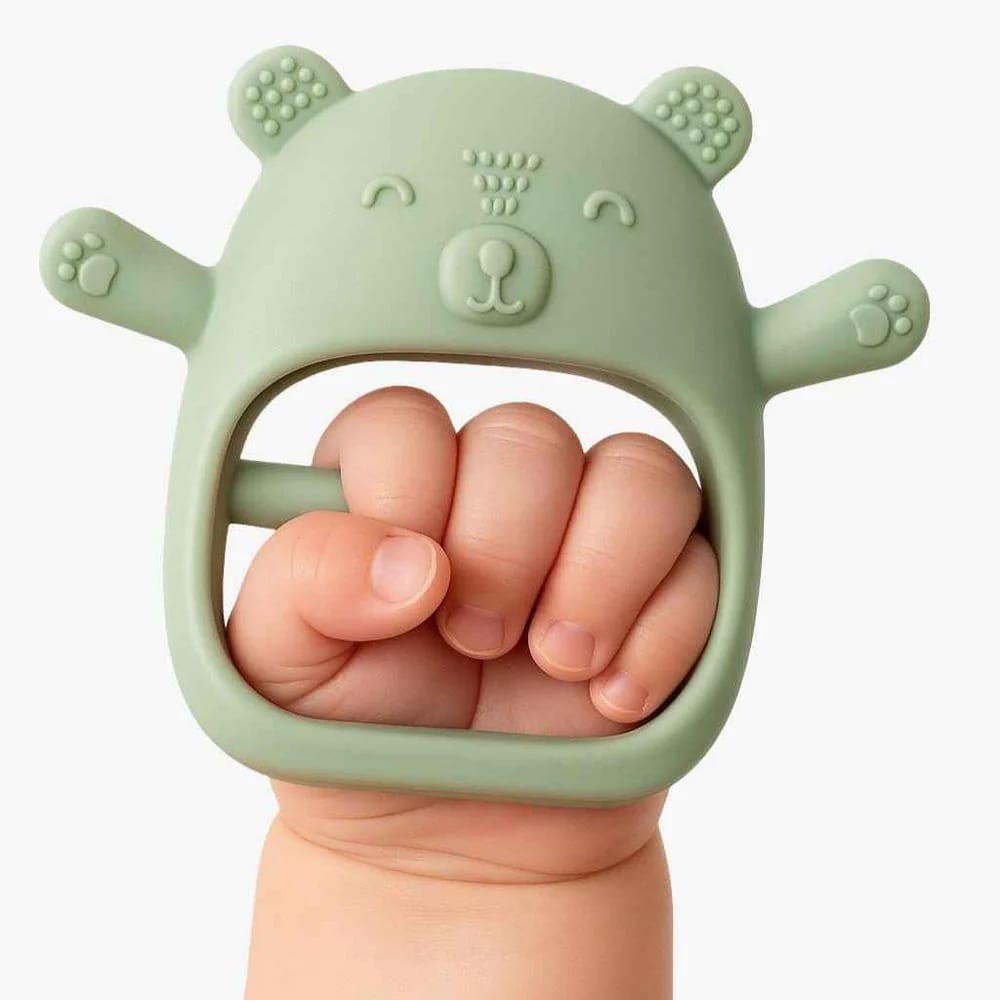
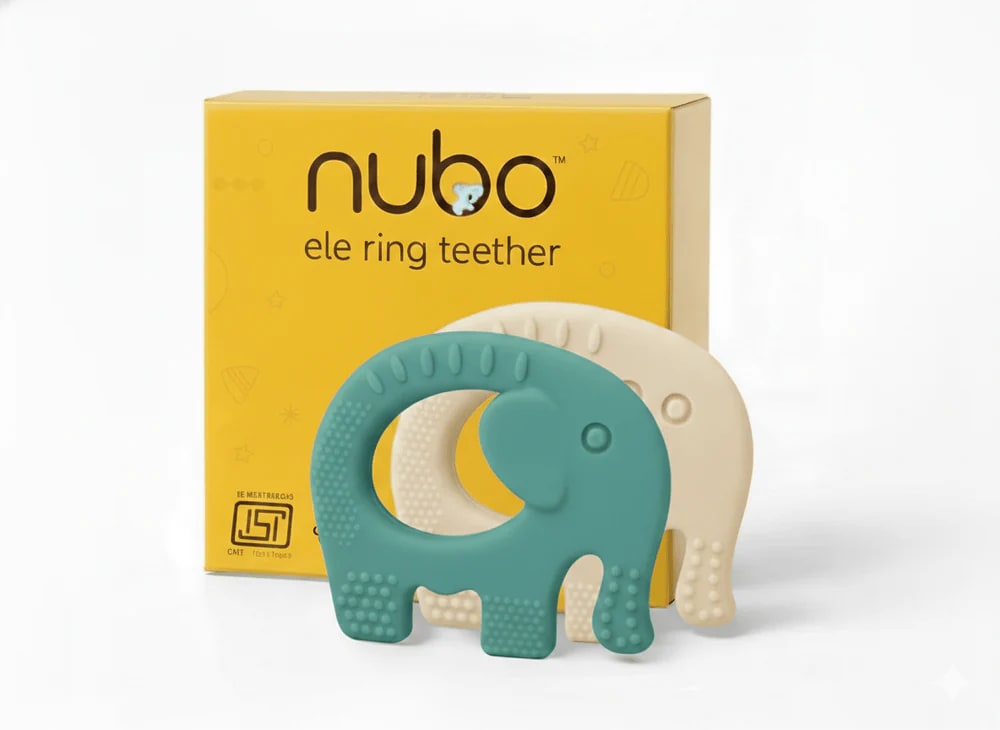
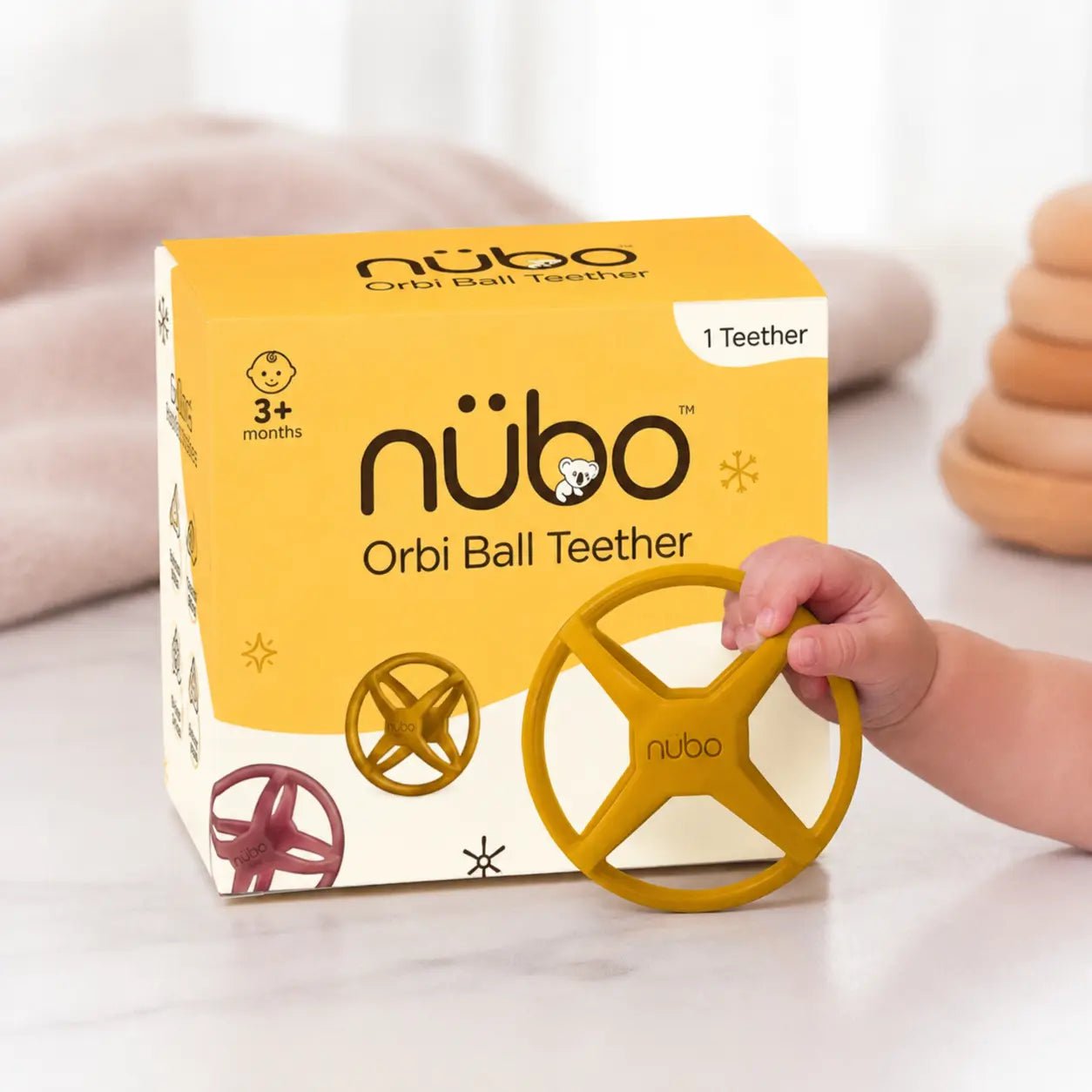
Your newborn teether needs a grip that works for tiny hands. Ring teethers are ideal for younger infants (3–6 months) because the circular design is easier for babies to hold and bring to their mouths without getting frustrated. As they grow (6+ months), babies benefit from textured silicone teethers like the Orbi Ball, which offers more sensory feedback and suits their developing motor skills.
A no-drop design is also a lifesaver—literally. When your baby drops their teether (which they will), a design that doesn't roll far or has a built-in safety consideration means less time on the floor and more time soothing.
What Real Indian Parents Are Saying
Prabha
Amazing teether
Beautifully designed and easy for little hands to hold. The soft texture is gentle on my baby’s gums, and the quality feels premium. A thoughtful teether that my baby genuinely enjoys using.
Thank you so much nubokind for making such a great thing🌸
Lilian dimple
Very soothing for the gums
This teether has really helped soothe my baby's sore gums. The different textures are a great addition.
Quick Teether Buying & Use Guide
- Check for BIS certification: This single marker ensures your teether has passed safety and quality tests. Never skip this step.
- Choose by age: Newborn teethers (ring style) for 3–6 months; textured silicone teethers for 6+ months. Your baby's hand strength and coordination matter.
- Wash before first use: Even though they're clean, a warm wash removes any manufacturing residue. Dishwasher-safe is a huge time-saver later.
- Rotate multiple teethers: Having 2–3 options prevents your baby from getting bored and lets you alternate while one is in the fridge (cold teethers soothe more effectively).
- Refrigerate, never freeze: A chilled teether feels wonderful on sore gums. Freezing can make silicone too hard and potentially harmful to delicate gum tissue.
- Inspect regularly: Even quality teethers wear over time. Check monthly for cracks, discoloration, or texture changes. Replace if needed.
Frequently Asked Questions
Q: When should I introduce an infant teether?
A: Most babies show signs of teething between 3–4 months, though teeth don't usually appear until 6+ months. Starting with a soft newborn teether around 3 months is safe and helps your baby get comfortable with the sensation. Look for age-appropriate infant teethers marked for 3+ months to ensure proper design and safety.
Q: Are silicone teethers safe for my baby?
A: Yes—but only if they're medical-grade silicone and BIS-certified. Medical-grade silicone is non-toxic, hypoallergenic, and free from BPA and harmful chemicals. When you buy from a trusted source offering certified products, silicone is one of the safest options available. Always check for certification before purchasing.
Q: What's the difference between a ring teether and other types?
A: A ring teether has a circular or oval shape that's perfect for newborns and younger infants (3–6 months) because it's easy for small hands to grip. The design fits naturally in their mouth and is less likely to cause gagging. As babies grow, they're ready for textured silicone balls or other shapes that offer more sensory input. Both are valuable—choose by age and developmental stage.
Q: Can I use a teether from the freezer?
A: Refrigerate, don't freeze. A chilled teether (30–60 minutes in the fridge) offers soothing relief without being too hard on sensitive gums. Frozen teethers can become too rigid and potentially cause injury. The cold from refrigeration is just enough to numb sore gums comfortably.
Q: How do I know if a teether is best for my baby in India?
A: Look for BIS certification and made-in-India products—this ensures the teether meets Indian safety standards and you're supporting local manufacturing. Check customer reviews from Indian parents who describe real-world use. Brands like Nubokind combine local production with international quality standards, giving you confidence and peace of mind.
Q: How often should I replace my baby's teether?
A: Inspect monthly for cracks, discoloration, or soft spots. Quality silicone teethers typically last 6–12 months with proper care. Dishwasher-safe teethers are easier to keep hygienically clean, which extends their lifespan. Replace immediately if you notice damage—even small tears can harbor bacteria.
Conclusion
Teething is temporary, but choosing the right teether is an investment in your baby's comfort and safety. A good teether—one that's certified, age-appropriate, and thoughtfully designed—transforms those tough weeks into moments of calm. It's not just about soothing sore gums; it's about supporting your baby's sensory development and building your confidence as a parent.
When you know what to look for—BIS certification, soft silicone, proper grip, and age-appropriate design—the choice becomes clear. And when you choose wisely, you're giving your baby the comfort they need and yourself the peace of mind you deserve.
Explore Nubokind's collection of certified teethers—each designed by parents, for parents, and tested by the standards that matter most.


leave a comment
This site is protected by hCaptcha and the hCaptcha Privacy Policy and Terms of Service apply.