
Quick Answer
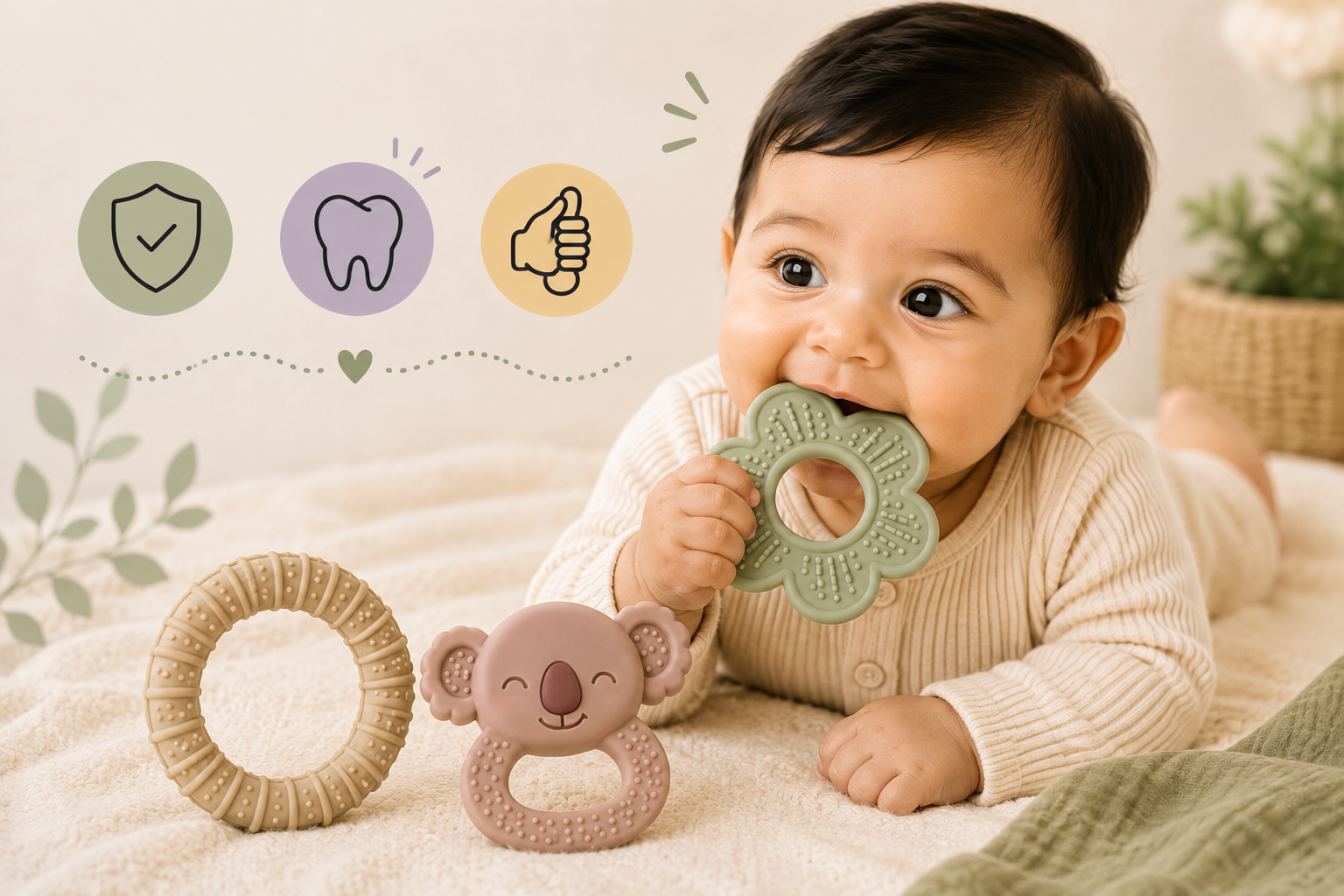
Look for soft silicone, easy grip design, and safety certifications. The best newborn teether combines safe materials (BIS-certified silicone), varied textures for sensory development, and a shape your baby can hold independently by 3–4 months.
Why Teethers Matter for Early Development
Teething doesn't start until around 4–6 months for most babies, but teethers serve a purpose much earlier. Even newborns benefit from exploring textures and learning to grasp objects. A quality infant teether combines tactile exploration with gum comfort—two needs that grow together as your baby develops.
When your baby begins teething (usually between 4 and 6 months, though timing varies widely), having the right teethers on hand makes a real difference in comfort and sleep. But the benefits start much sooner: from birth, teethers support hand-eye coordination, fine motor skills, and sensory awareness—all cornerstones of Montessori-inspired play.
Research indicates that varied textures promote neural development. Bumpy, smooth, ridged surfaces all send different signals to your baby's growing brain. That's why choosing a teether with thoughtful design—not just any rubber toy—matters.
Safe Materials: What You Need to Know
The foundation of any good newborn teether is safe, non-toxic material. Most modern infant teethers are made from food-grade silicone, which is soft, durable, and free from harmful chemicals like BPA, phthalates, and lead.
When shopping for teething toys in India, look for BIS certification or equivalent safety marks. This tells you the product has been tested and meets safety standards. Silicone is the gold standard because it doesn't retain bacteria, cleans easily, and won't crack or splinter like older rubber options.
Always check the product label for material composition. If a newborn teether is labeled "silicone" or "food-grade silicone," that's reassuring. Avoid anything with loose parts, peeling paint, or uncertain origins. Your baby will spend time with this object in their mouth—quality matters.
Texture, Shape & Grip: Matching Your Baby's Stage
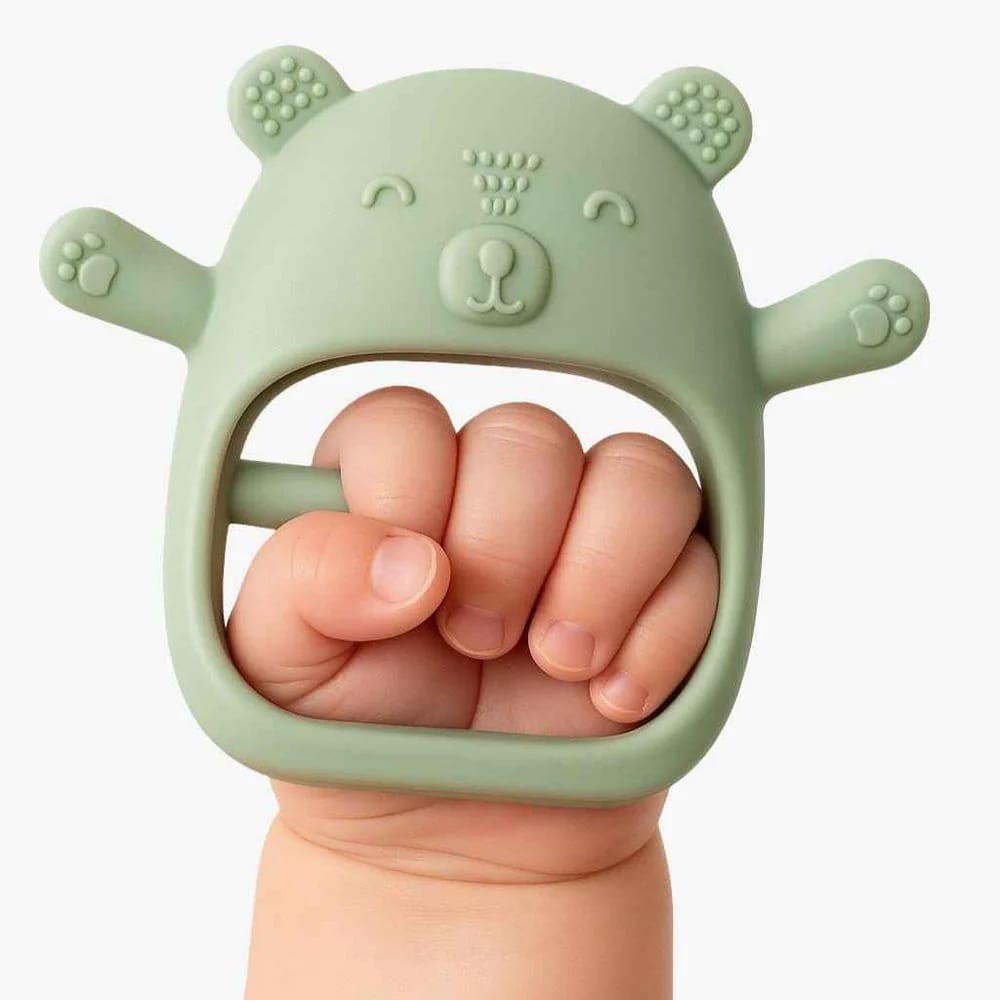
Not all teethers are created equal. Different ages and developmental stages benefit from different designs. A newborn's grip strength is minimal, so a teether must be lightweight and easy to hold. By 3–4 months, babies can grasp deliberately, and by 6 months, they're ready for more complex textures and shapes.
| Baby's Age | Ideal Teether Features | Why It Works |
|---|---|---|
| 0–3 months | Lightweight, smooth, ring-style or easy-grasp handle | Supports reflexive grasping; gentle on sensitive newborn gums |
| 3–6 months | Multiple textures (ridges, bumps); varied shapes | Engages developing motor skills; prepares gums for teething |
| 6+ months | Textured ball, complex handle, refrigerator-safe design | Chewing provides relief; varied sensations soothe sore gums |
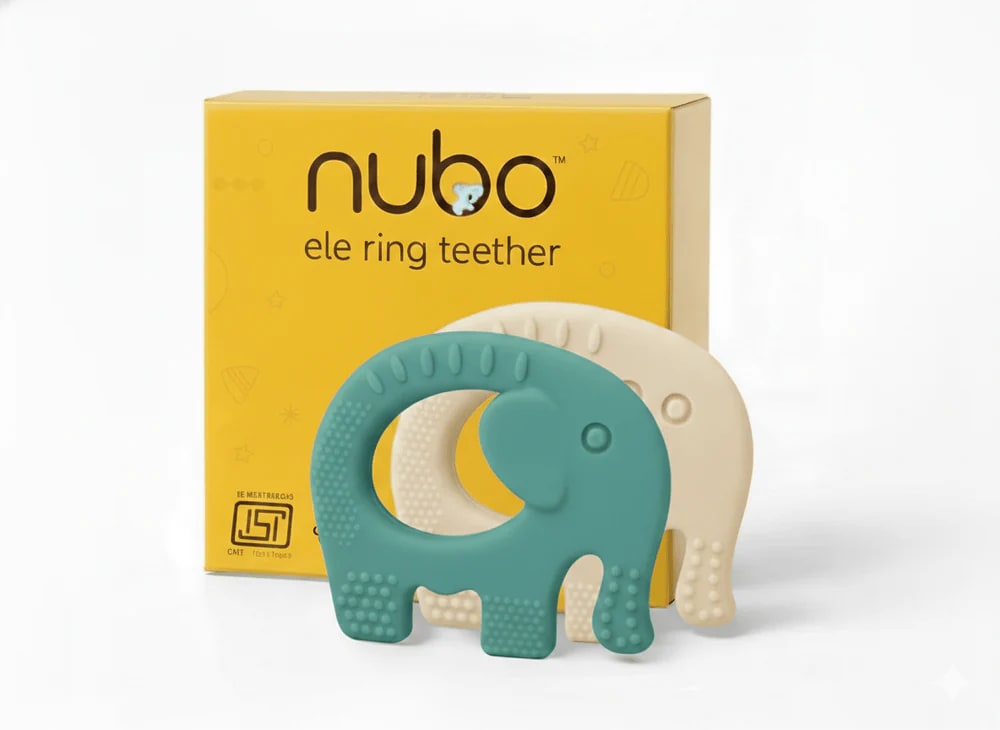
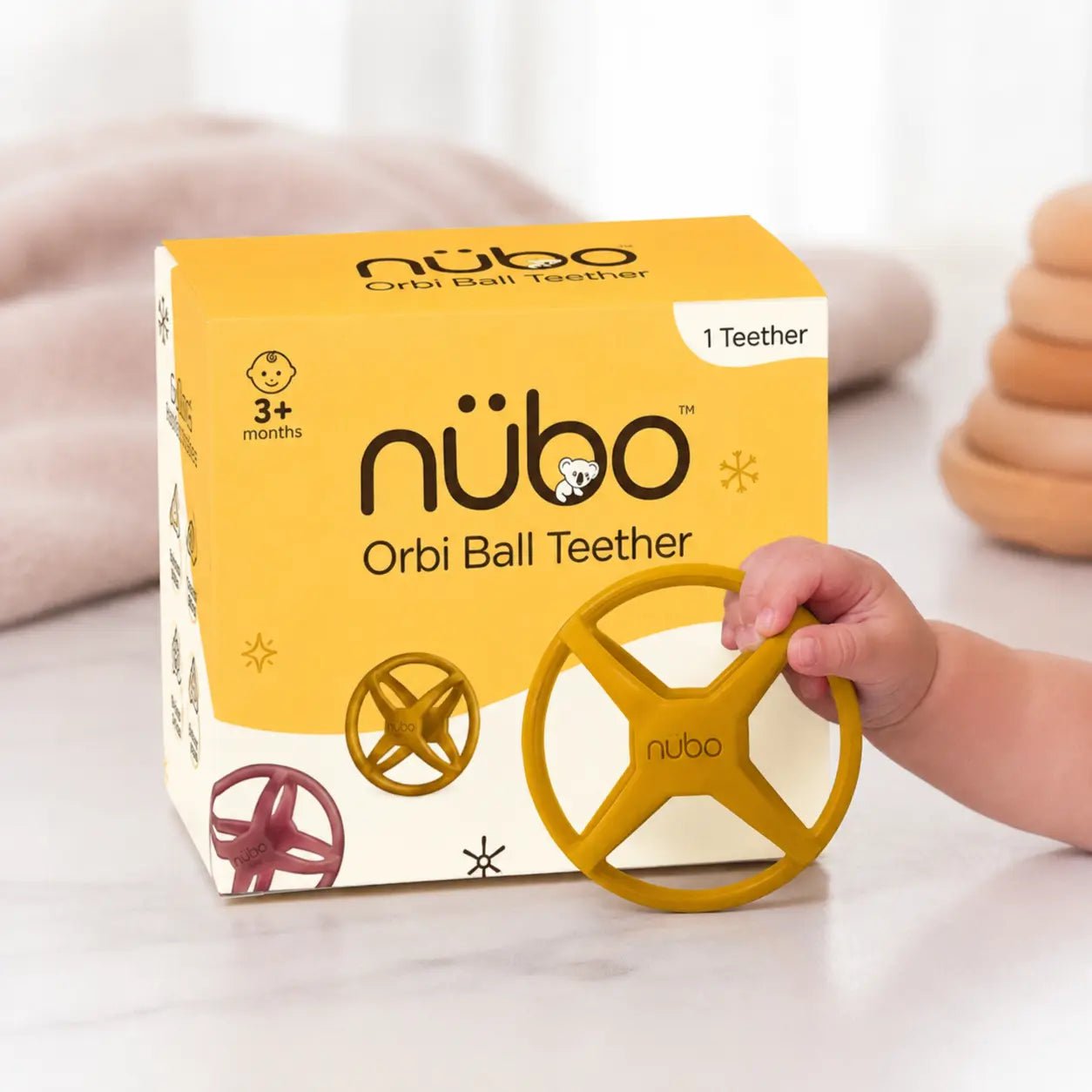
Ring teethers remain popular because they're intuitive—babies naturally understand how to hold them. However, textured balls and irregular shapes offer richer sensory exploration and are especially valuable for older infants (4+ months) experiencing active teething.
Look for teethers with a no-drop safety ring or design that prevents lost toys. This feature becomes increasingly useful as your baby learns to throw—and will throw—everything. A tethered teether or one attached to a clip keeps it within reach and reduces frustration for both you and your baby.
Temperature & Refrigeration: Cold Comfort for Sore Gums
Many parents swear by chilled teethers to soothe inflamed gums. Cold reduces swelling and numbs soreness temporarily, offering real relief during active teething phases. However, not all teethers are designed for the refrigerator or freezer.
When choosing an infant teether, check if it's explicitly marked as refrigerator-safe. Silicone teethers handle cold well, but some internal structures (like water-filled designs) can fail if frozen solid. A good rule: refrigerate for 30 minutes to 2 hours for gentle cooling, rather than freezing for hours.
Never freeze a teether solid or place it directly in a freezer—extreme cold can make silicone too hard and uncomfortable for your baby's gums. Chilled, not frozen, is the safer and more effective approach. If the product doesn't specify refrigeration safety, assume room temperature storage is best.
Cleaning & Maintenance: Hygiene Every Day
Teethers go in your baby's mouth multiple times a day, so cleanliness is non-negotiable. Silicone teethers are wonderfully easy to maintain—that's one reason they're the top choice for modern parents.
Most silicone teethers can be cleaned with warm soapy water and a soft cloth, or run through the dishwasher on a gentle cycle. Avoid bleach or harsh chemicals; plain soap and water are sufficient. After each use (especially if your baby has been drooling or the teether has been dropped), give it a quick rinse.
Store teethers in a clean, dry spot. Some parents keep one in a small pouch in the diaper bag for on-the-go access. If you have multiple teethers, rotate them so one is always clean while another is in use. This simple habit keeps germs at bay without fuss.
| Cleaning Method | Best For | Frequency |
|---|---|---|
| Warm soapy water + soft cloth | Daily use; after each chewing session | 1–4 times per day |
| Dishwasher (gentle cycle, top rack) | Deeper clean; weekly | Once per week |
| Boiling water (5–10 minutes) | Newborn teethers; sterilization | Weekly or after illness |
Quick Tips for Parents
- Introduce teethers early — from birth, to build familiarity before teething begins around 4–6 months.
- Choose BIS-certified or safety-tested products — look for third-party certification on the packaging or product page.
- Offer varied textures — smooth, bumpy, and ridged surfaces all support sensory development in different ways.
- Refrigerate, don't freeze — chilled teethers provide comfort without being hard enough to damage delicate gums.
- Clean daily and rotate teethers — keeps hygiene high and prevents boredom as your baby develops.
- Watch for wear and tear — replace teethers if you notice cracks, sticky residue, or discoloration that won't wash off.
Choosing the Right Teether for Your Baby
Every baby is unique, but some patterns help guide your choice. Newborns thrive with simple designs—soft ring teethers that fit easily in tiny hands. As your baby grows and begins active teething, textured, irregular shapes offer more sensory reward and better gum relief.
Consider your lifestyle too. If you're often out, a no-drop teether or one with a safety clip saves frustration. If your home is small, a lightweight, space-saving design keeps things manageable. And if your baby is prone to dropping things (which they are), having multiple teethers in rotation—one chilled, one at room temperature, one in your bag—ensures you're always prepared.
Many parents find that offering two or three different teether styles helps their baby explore what feels best. Some babies prefer smooth textures; others love bumpy surfaces. Observation is key—notice which teethers your baby reaches for most often, and consider what that tells you about their sensory preferences.
Pairing Teethers with Other Sensory Play
Teethers don't exist in isolation. Combining teethers with high-contrast visuals and varied sensory experiences supports fuller brain development during these critical early months. Research on Montessori principles shows that multi-sensory play (touch, sight, sound) accelerates learning faster than single-sense toys alone.
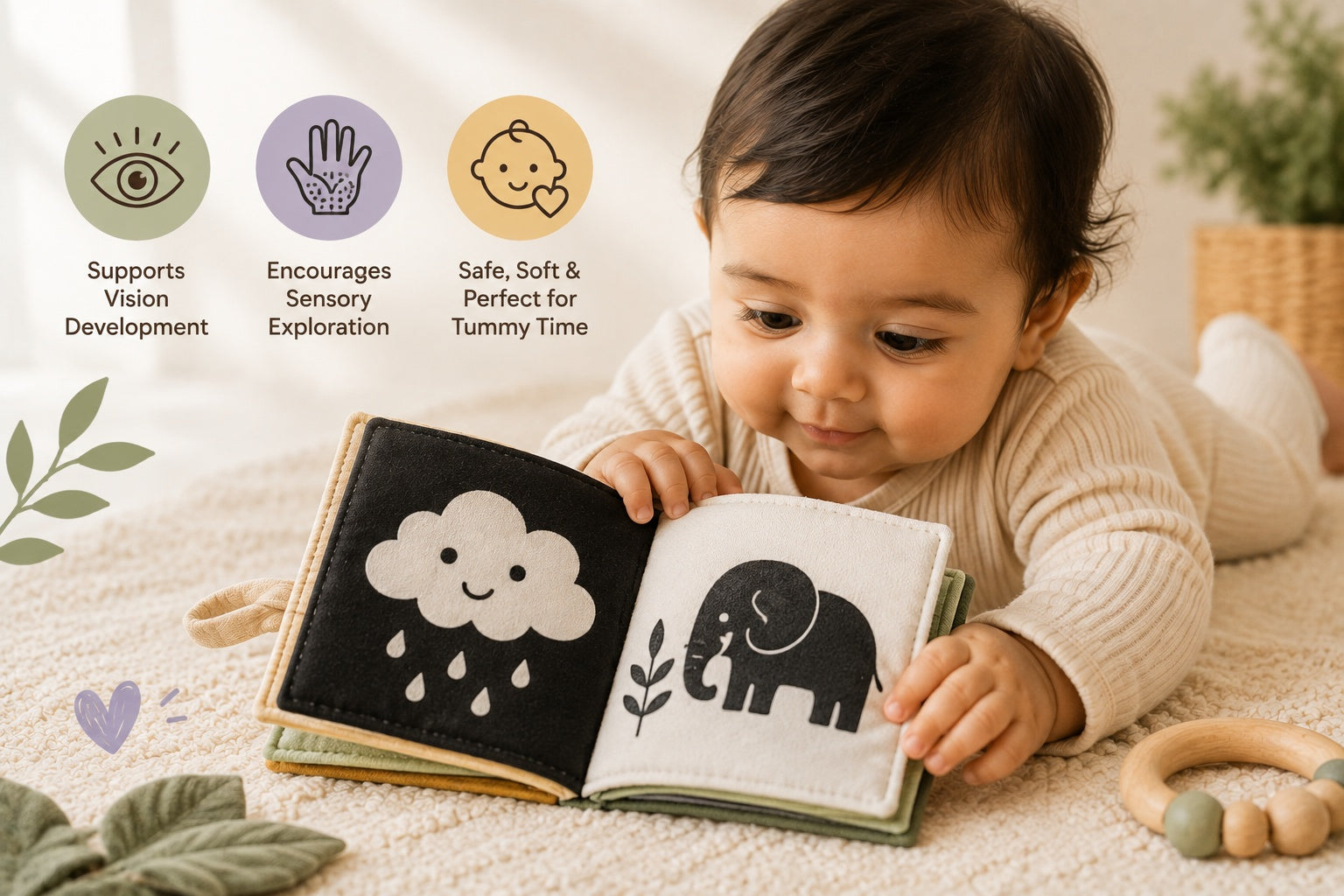
Consider pairing your baby's teethers with high-contrast cloth books or flashcards for visual stimulation during tummy time. This combination helps your baby see, touch, and explore simultaneously—exactly how infants learn best. Your baby's brain is building pathways every single day, and varied, intentional play supports that process.
As your baby grows and reaches for objects with purpose (around 3–4 months), teethers become part of a broader play vocabulary that includes sensory kits, textured toys, and interactive books. This layered approach to early childhood development builds confidence, fine motor skills, and a genuine love of exploration.
FREQUENTLY ASKED QUESTIONS
Q: When should I introduce a newborn teether?
A: You can introduce a teether from birth. While active teething typically begins around 4–6 months, offering soft teethers from day one helps your baby become familiar with the sensation of chewing, supports gum development, and encourages fine motor skills. A newborn won't chew vigorously, but they'll explore and mouth the teether as part of normal development.
Q: Is silicone really safe for babies?
A: Yes, food-grade silicone is one of the safest materials for infant teethers. It doesn't contain BPA, phthalates, or other harmful chemicals. Always verify that your teether is labeled "food-grade silicone" and carries a safety certification like BIS in India. This confirms it has been tested and meets rigorous safety standards.
Q: Can I put a teether in the freezer?
A: Refrigerating a teether (30 minutes to 2 hours) provides gentle cold comfort and is safe if the product is marked refrigerator-safe. However, avoid freezing teethers solid, as extreme cold can make silicone too rigid and uncomfortable for delicate baby gums. Always check the product instructions before refrigerating.
Q: How often should I replace my baby's teethers?
A: With proper care, a quality silicone teether can last several months or longer. Replace it if you notice cracks, sticky residue that won't wash off, discoloration, or any sign of wear. Most parents rotate 2–3 teethers to keep one always clean and extend the life of each. Inspect regularly for damage, especially if your baby has been chewing intensely.
Q: What's the difference between a ring teether and a textured teether?
A: Ring teethers (simple circles or ovals) are lightweight and easy for newborns to grasp, making them ideal for 0–3 months. Textured or ball-shaped teethers offer varied surfaces (bumps, ridges) that provide richer sensory feedback and better gum relief during active teething (4+ months). Many parents use both, depending on the baby's age and preference.
Q: Are best teethers for newborns different from best infant teethers for older babies?
A: Yes. Newborn teethers (0–3 months) should be lightweight, smooth, and simple—designed for reflexive grasping and gentle exploration. Best infant teethers for older babies (4+ months) feature varied textures, complex shapes, and refrigeration options for teething relief. Your baby's strength, coordination, and sensory needs evolve, so choosing age-appropriate teethers matters.
CONCLUSION
Choosing the right newborn teether is simpler than it might seem. Focus on safe materials (BIS-certified silicone), comfortable grip design, and varied textures, and you've covered the essentials. A quality teether supports your baby's sensory development from birth and provides genuine relief during the teething months ahead.
Remember that every baby is different. What one infant loves, another might ignore. Starting with one or two teethers and observing your baby's preferences helps you make confident choices as they grow. And don't hesitate to introduce new textures and shapes—your baby's developing brain thrives on variety and exploration.
The investment in a thoughtfully designed teether pays dividends in comfort, learning, and those precious moments of peaceful, independent play. Your baby deserves tools that support their growth, and you deserve the confidence that comes from knowing you've chosen well.
,%20varied%20textures%20for%20sensory%20developme...)
leave a comment
This site is protected by hCaptcha and the hCaptcha Privacy Policy and Terms of Service apply.