
Quick Answer
Infant cloth books are ideal first books because they combine soft, safe textures with high-contrast visuals that support newborn vision development and sensory exploration from birth onwards.
Why Cloth Books Matter for Newborns
When you bring your baby home, you're probably thinking about all the "right" things to do—feeding, sleeping, bonding. But what about early learning? Here's something many new parents don't realize: your newborn's brain is actively learning from day one, and the right tools can make that journey even richer.
Traditional hardcover picture books are wonderful, but they're not designed for a newborn's needs. Cloth books, on the other hand, are purpose-built for tiny hands and developing brains. They're soft enough to chew, engaging enough to hold attention, and thoughtfully designed to encourage the kind of sensory exploration that experts associate with healthy early development.
An infant cloth book isn't just soft—it's a developmental tool. High-contrast patterns, varied textures, and interactive elements all work together to stimulate your baby's senses during critical months when their brain is forming neural pathways at lightning speed.
How High-Contrast Visuals Support Early Vision Development
Newborns see the world very differently than we do. In the first few weeks, babies can only focus on objects about 8–12 inches away—roughly the distance from their face to yours during feeding. Their color vision is also limited; they see the world mostly in shades of gray, with black and white patterns being the clearest and most stimulating.
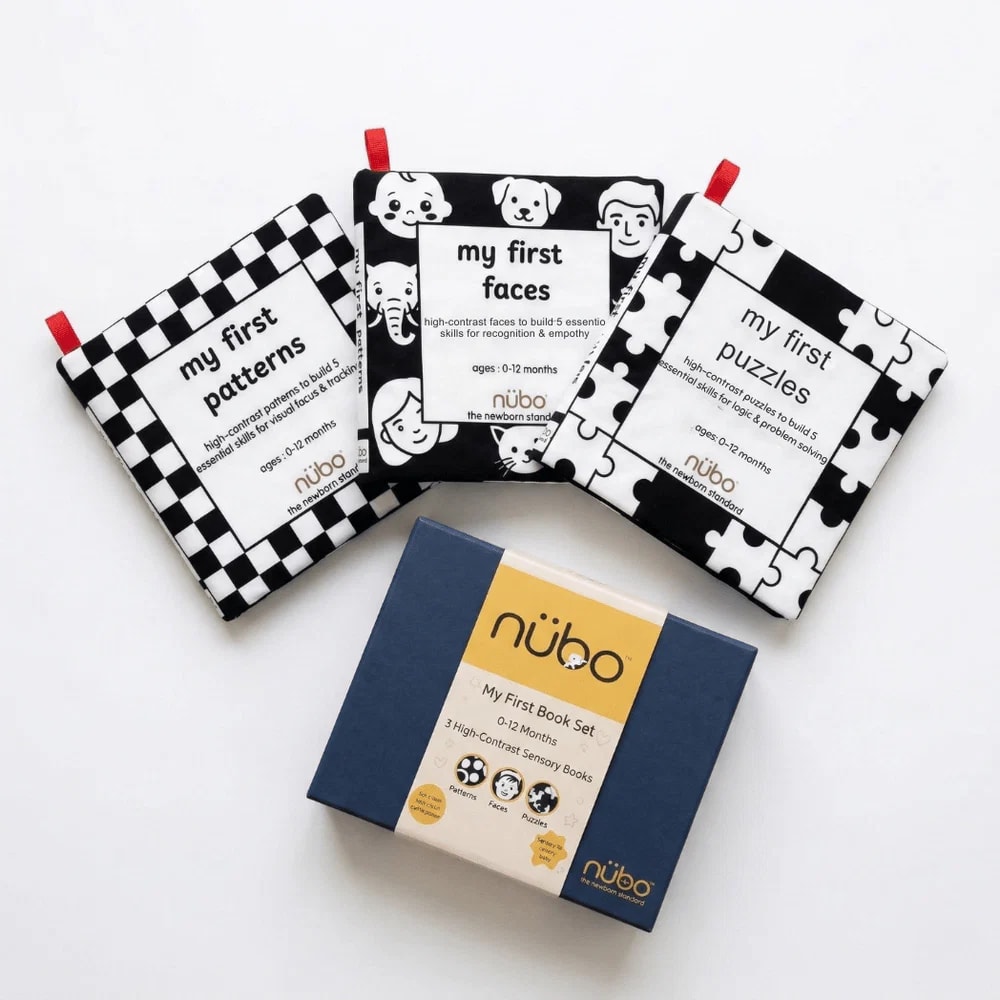
This is where high-contrast cloth books become invaluable. Research indicates that bold black-and-white and primary color patterns are easier for newborns to track visually, which helps exercise developing eye muscles and strengthens the connection between eyes and brain. By 2–3 months, as color vision develops, a cloth book with varied, distinct patterns keeps your baby engaged and supports this natural progression.
When you place a well-designed cloth book in front of your baby during tummy time or on their play mat, you're not just entertaining them—you're actively supporting visual development during one of the most critical windows for building these neural connections.
Textures, Safety, and the Sensory Teething Connection
Touch is one of a newborn's strongest senses. From birth, babies are exploring their world through touch, and cloth books are perfectly designed for this. Different fabric textures—crinkly, smooth, bumpy—teach your baby about the physical properties of their environment and keep their developing brain engaged.
Around 3–4 months, teething begins for many babies (though it can start earlier or later). This is when an infant cloth book becomes even more valuable. A well-made cloth book is safe to chew, easy to grip, and designed to soothe tender gums without the harshness of hard plastic. Unlike some teething toys, cloth books support both sensory play and relief, making them a versatile addition to your nursery.
Safety is paramount, of course. Look for books made from non-toxic, baby-safe fabrics and ensure all seams are secure and all attachments are firmly stitched. Cloth books are typically BIS certified or equivalent, ensuring they meet safety standards for infant products in India.
Cloth Books Support Bonding and Interactive Play
Reading with your baby isn't just about the content—it's about connection. Sharing a cloth book with your infant creates a calm, intimate moment that strengthens your bond while supporting their development. Many parents are surprised by how engaged their newborn becomes during these quiet moments together.
Cloth books with interactive elements—crinkle sounds, textured patches, soft attachments—give you natural opportunities to play with your baby. You can point to patterns, make the crinkle sound and watch their eyes light up, or let them explore the different textures at their own pace. This kind of play is how babies learn cause and effect—a foundational concept in cognitive development.
Unlike screen-based learning, a cloth book encourages what's sometimes called "serve and return" interaction, where you and your baby are both actively engaged. Research consistently shows this kind of back-and-forth interaction supports language development, emotional security, and social skills.
The Right Cloth Book for Each Stage of Infancy
Not all cloth books are created equal, and your baby's needs change as they grow. Here's how to choose the right cloth book for each stage:
| Age Range | What to Look For | Why It Matters |
|---|---|---|
| Newborn–2 months | High-contrast black and white patterns, lightweight, easy to position at eye level | Newborns see best in high contrast; light weight is essential for tummy time |
| 2–4 months | Introduce primary colors, varied textures, crinkle sounds, secure attachments | Color vision develops; tactile and auditory exploration intensifies |
| 4–6 months | Textured surfaces, teething-friendly areas, simple interactive elements, graspable edges | Teething comfort, improved hand-eye coordination, growing curiosity |
| 6+ months | Chunky pages, easy page-turning, varied textures, safe buckles or attachments, engaging patterns | Developing independence, improved motor skills, sustained attention |
The key is starting simple and building complexity as your baby grows. A high-contrast cloth book set is perfect for newborns because it can adapt as your baby develops. The same book that captures a newborn's attention with its black-and-white patterns will entertain a 4-month-old with its textures and crinkles, and support a 6-month-old's growing independence and curiosity.
Quick Tips for Parents
- Position matters: Place the cloth book 8–12 inches from your newborn's face during tummy time or floor play for optimal viewing.
- Variety is key: Rotate different cloth books to keep sensory play fresh and maintain your baby's interest.
- Make it social: Read or explore the book together. Point out patterns, make crinkle sounds, and narrate what you see. This boosts language development and bonding.
- Supervise teething use: Once your baby starts teething, keep an eye on the book to ensure all seams and attachments remain secure.
- Wash regularly: Cloth books can be gently hand-washed or machine-washed (check manufacturer instructions) to keep them fresh and hygienic.
- Don't compare: Every baby develops at their own pace. Some newborns engage intensely with cloth books; others prefer watching them from a distance. Both are normal.
How Montessori Principles Inform Cloth Book Design
You may have heard of Montessori education, but did you know those principles can apply to infants? Montessori philosophy emphasizes child-led exploration, sensory engagement, and respect for the child's natural development. A well-designed cloth book aligns with these principles perfectly.
Instead of forcing your baby to focus or "perform," a good cloth book invites natural exploration. Your baby can spend as much or as little time with it as they want, can focus on whichever texture or pattern interests them most, and can progress at their own pace. There's no "right way" to use it—it simply supports what your baby is naturally inclined to do: explore and learn.
This approach builds confidence and a lifelong love of learning. Your baby learns that their curiosity is valued and that exploration is rewarding. That foundation, established in infancy, has far-reaching effects on how your child approaches learning throughout their life.
Building a Sensory Play Foundation
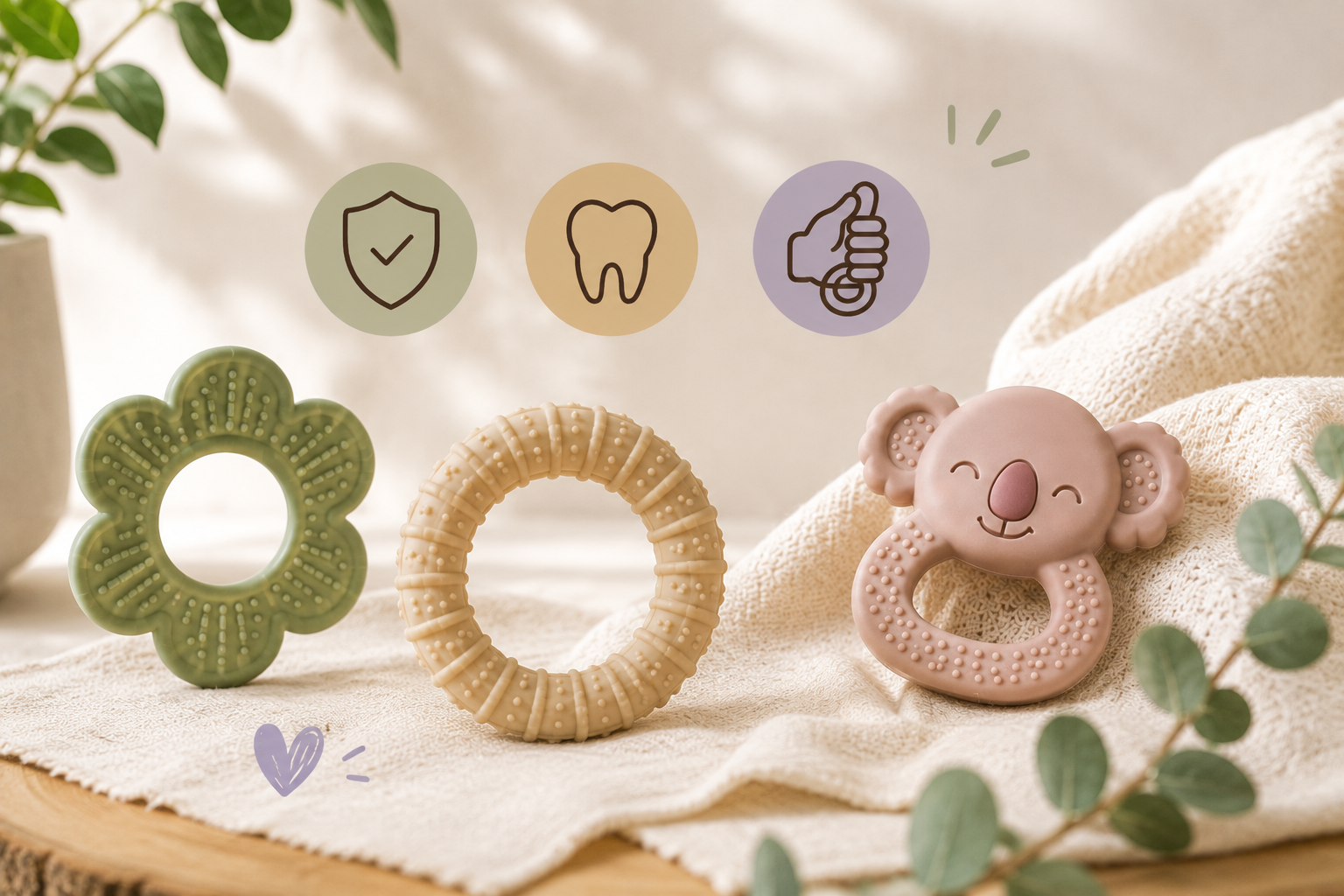
An infant cloth book is just one part of a rich sensory environment. Consider pairing it with other complementary tools like high-contrast flashcards for visual stimulation during tummy time, or introducing safe infant teethers as your baby enters the teething phase.
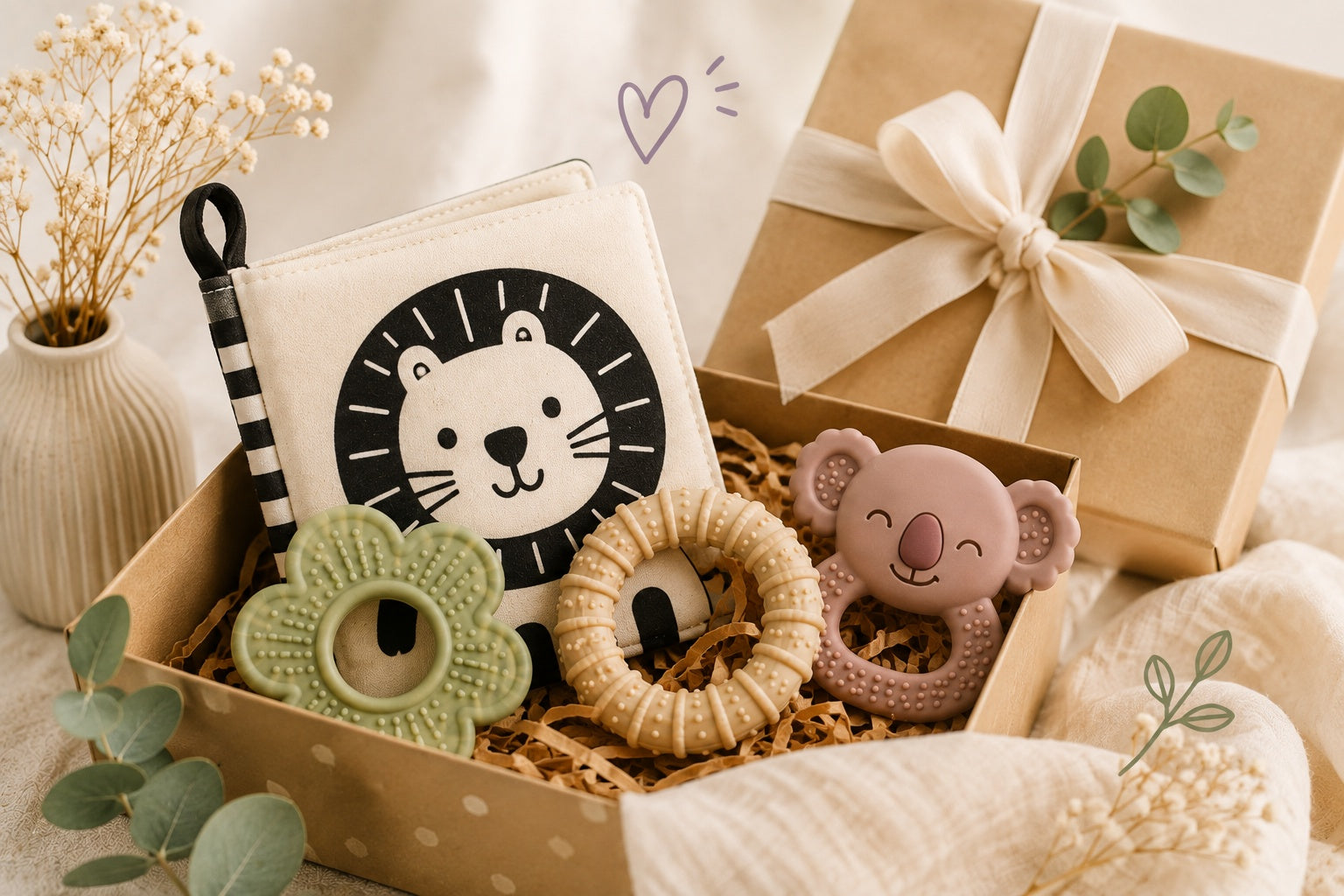
The goal isn't to overwhelm your baby with too many toys, but rather to thoughtfully introduce tools that support different aspects of development. A cloth book, a teething ring, and a few safe sensory toys create a well-rounded environment that grows with your child.
Many parents find that introducing a cloth book early sets a positive pattern: your baby learns that exploring safe objects is rewarding, and you develop confidence in supporting their development. That confidence carries forward into every other parenting decision you'll make.
FREQUENTLY ASKED QUESTIONS
Q: Can a newborn cloth book actually help with teething pain?
A: While cloth books aren't specifically designed as teething relief tools, their soft, chewable fabric can provide gentle comfort to sore gums when teething begins (usually around 3–6 months, though timing varies). A dedicated infant teether like the Kiko No-Drop Newborn Teether is specifically engineered for teething relief, while a cloth book complements play and sensory learning at the same stage. Many parents use both.
Q: When should I introduce a cloth book to my newborn?
A: You can introduce a cloth book from birth. Newborns are ready for sensory exploration right away, even if their vision is still developing. Starting early means your baby becomes accustomed to the experience of exploring objects, and the habit of reading together becomes part of your routine. There's no "too early" with a cloth book designed for newborns.
Q: How often should I change out cloth books if my baby loses interest?
A: Rotation is helpful but not strictly necessary. If your baby loses interest in a cloth book, it may be because they're ready for slightly more complexity (new colors, more textures), or they may simply need a break. Try rotating it out for a few weeks, then introducing it again. Many parents find their babies' engagement with the same book increases as they develop and can perceive new details.
Q: Are cloth books safe for babies to chew on?
A: Yes, when they're made from non-toxic, baby-safe materials and properly constructed. Look for cloth books that are BIS certified (in India) or equivalent, use non-toxic inks and dyes, and have secure seams and attachments. Avoid books with loose buttons, small beads, or detachable pieces that could pose a choking hazard. Always supervise your baby's use, especially once they become active chewers.
Q: Can I use a cloth book alongside other sensory toys, or might it overwhelm my baby?
A: A cloth book pairs beautifully with other sensory tools. Your newborn isn't overwhelmed by variety—they're overwhelmed by too much *at once*. A thoughtful approach is to introduce one or two items during play, let your baby explore naturally, and rotate other items in when interest wanes. For example, use a cloth book during tummy time, introduce a ring teether once teething begins, and use flashcards for focused visual work. Each tool serves a purpose.
Q: What's the difference between a cloth book and an infant teether if I'm looking to address teething?
A: A cloth book is a multi-purpose sensory and bonding tool that happens to be soft and safe to chew. An infant teether, like the Orbi Ball Silicone Sensory Teether, is specifically engineered for teething comfort with design elements that target sore gums and support jaw development. Cloth books support broader early development (vision, texture exploration, bonding), while teethers focus on comfort and relief during the teething phase. Many parents use both.
CONCLUSION
An infant cloth book is far more than a soft toy. It's a bridge between your love and your baby's developing brain—a tool that supports vision development, sensory exploration, bonding, and the early foundations of a lifelong curiosity about reading and learning.
Starting early with a thoughtfully designed cloth book signals to your baby that exploration is safe and rewarding. As they grow through the newborn, teething, and beyond stages, a quality cloth book grows with them, offering new levels of engagement and comfort at each phase.
If you're looking for a way to support your baby's early development while strengthening your bond during quiet moments together, an infant cloth book is one of the most gentle, effective, and joyful tools you can choose. Your baby's curiosity is natural; a good cloth book simply nurtures it.
Ready to explore cloth books and other sensory tools designed with your baby's development in mind? Visit Nubokind to discover thoughtfully crafted products that grow with your little one.

leave a comment
This site is protected by hCaptcha and the hCaptcha Privacy Policy and Terms of Service apply.