
Quick Answer
A good teether supports comfort and development. The best teethers for babies combine safe, non-toxic materials (like food-grade silicone), appropriate textures for each stage, and easy-to-grip designs. Start with soft teethers around 3–4 months; introduce firmer options as teeth emerge.
WHY TEETHERS MATTER: MORE THAN JUST COMFORT
Teething is a milestone every baby reaches—usually between 3 and 12 months—and it's a big one. During this phase, your little one's first teeth are moving beneath the gums, and that pressure creates discomfort. While teething can't be stopped, the right teether can ease the journey for both baby and parents.
Beyond pain relief, a thoughtfully designed teether serves another quiet purpose: sensory development. As babies explore different textures, weights, and temperatures, they're building neural connections and refining their sense of touch. Modern experts influenced by Montessori principles recognize that teethers aren't just soothing tools—they're learning tools that support fine motor skills and hand-mouth coordination during critical early months.
Choosing the right infant teether means understanding what your baby needs at each stage of teething. That's what this guide is here to help with.
THE STAGES OF TEETHING: WHAT YOUR BABY NEEDS WHEN
Not all teethers work for all ages. Your baby's grip strength, mouth size, and sensory preferences change as they grow. Understanding the teething timeline helps you pick the right tool at the right moment.
| Age / Stage | What's Happening | Best Teether Traits |
|---|---|---|
| 3–4 months (Early drooling) | Increased salivation; mouth exploration begins | Soft, lightweight, easy to hold and bring to mouth |
| 4–6 months (Pressure relief) | First teeth may be moving; baby can grab and hold objects | Textured surfaces; cold (refrigerated, not frozen) for numbing relief |
| 6–9 months (Active teething) | Teeth starting to break through; stronger grip | Firmer textures; varied shapes to chew; some front teeth may appear |
| 9–12+ months (Multiple teeth) | Several teeth present; stronger chewing; increased hand control | Durable, firm designs; larger variety of shapes and textures |
Pro tip: You don't need a new teether every month. One well-designed, versatile option often works across stages. That said, having 2–3 teethers on rotation—and some in the fridge—gives you flexibility and keeps things fresh for your baby.
SILICONE TEETHERS: WHY PARENTS PREFER THEM
When you start researching infant teethers, you'll quickly notice silicone comes up again and again. There's good reason for that. Food-grade silicone is soft, durable, easy to clean, and completely safe for babies to mouth and chew on. It doesn't contain BPA, phthalates, or harmful chemicals—concerns that naturally weigh on parents' minds.
What makes a silicone teether especially appealing: it can be refrigerated (though not frozen solid, which can harm gums) to provide gentle cold relief without the risks of frozen objects. The material is also naturally resistant to bacteria and mold, making it easier to maintain than some cloth or rubber alternatives. And because silicone teethers are lightweight and ergonomic, babies can hold and manipulate them independently—building confidence and hand strength.
Look for teethers that are BIS certified (Bureau of Indian Standards) or internationally safety-tested to ensure they meet rigorous standards for non-toxicity and durability. A quality silicone teether should flex without breaking and maintain its shape through months of enthusiastic chewing.
TYPES OF TEETHERS: FINDING THE SHAPE THAT WORKS
Teethers come in many forms, and what works for one baby might not work for another. Here's a quick breakdown of common designs and what makes each one useful:
Ring Teethers (Teething Rings)
Ring teethers are the classic choice—circular with a hollow center that baby can grip. They're lightweight, easy to hold, and come in countless textures. Many babies find the rounded edge comfortable to chew, and the ring shape naturally fits into a small fist. Teething rings work well from around 4 months onward, once your baby has the grip strength to hold them independently.
Stick or Wand Teethers
These elongated designs are great for older babies (6+ months) with stronger grip and more control. The longer handle makes them easier to manipulate, and different textured zones let your baby explore varied sensations in one tool.
Sensory Teethers (Multi-Texture)
Some teethers combine multiple textures—bumps, ridges, smooth sections, and varied firmness zones. These support sensory exploration and give babies options depending on where the pressure feels best. They're especially valuable for developmental play beyond just teething relief.
Clip-On & No-Drop Teethers
These attach to a clip that secures the teether to clothing or a carrier, preventing constant dropping (a relief for parents!). No-drop designs are especially useful for younger newborns (3–5 months) who are still mastering grip control. They also reduce the need to constantly clean fallen teethers.
Soft vs. Firm: Finding the Right Texture
Early-stage teethers tend to be softer and more pliable, while babies 6+ months often prefer firmer, more substantial chewing resistance. Some teethers offer dual-density designs—soft in one area, firmer in another—so you're covered across development stages.
WHAT MAKES A SAFE, HIGH-QUALITY TEETHER
Not all teethers are created equal. When evaluating options, look for these key markers of safety and quality:
- Material transparency: The brand should clearly state what the teether is made of. Food-grade silicone is the gold standard; wood (if sealed properly) and rubber are also safe options. Avoid PVC, BPA, and unknown plastics.
- Certification and testing: Look for BIS certified teethers or products tested by independent labs. This assures you the item has passed rigorous safety checks for toxicity, durability, and choking hazards.
- No small parts or loose pieces: Your teether should be one solid unit with no parts that can detach or break off. Baby's safety depends on it.
- Easy to clean: The teether should withstand repeated washing (ideally in hot water or dishwasher) without degrading. Bacteria and mold are real concerns with porous materials.
- Appropriate size and weight: For younger babies, lighter is better. As they grow, a slightly heavier teether provides more satisfying chewing resistance. The teether should fit comfortably in a baby's hand without being a choking hazard.
- Refrigerator-safe (not freezer): Cold relief is helpful, but frozen teethers can damage delicate gum tissue. A quality silicone teether can be chilled in the fridge for soothing relief.
Made-in-India options like those from Nubokind combine international safety standards with local understanding of Indian babies' needs—a growing preference among parents who want quality without unnecessary imports.
QUICK TIPS FOR PARENTS
- Introduce teethers early (3–4 months): Even before teeth appear, babies benefit from exploring safe teething toys. Early introduction normalizes the habit and prepares them for teething relief when it's needed most.
- Rotate your teethers: Having 2–3 options on hand prevents boredom and lets you refrigerate one while another is in use. Different textures also support varied sensory exploration.
- Chill, don't freeze: A teether stored in the fridge provides gentle numbing relief. Frozen solid teethers can harm developing gums, so skip the freezer.
- Keep it clean: Wash teethers daily in hot soapy water or the dishwasher. Babies at this stage explore everything orally, so hygiene is non-negotiable.
- Watch for readiness cues: Look for excessive drooling, swollen gums, chewing on hands, and increased desire to mouth objects. These signal that a teether will be welcomed.
- Never use teethers as pacifiers: A teether is a tool for chewing and sensory play, not a substitute for comfort or sleep. Use it when baby shows interest in chewing, then put it away.
BEST INFANT TEETHERS FOR INDIAN PARENTS
Finding the best teether for your baby means matching quality, safety, and design to your child's age and needs. Here are teethers designed with your baby's development in mind:
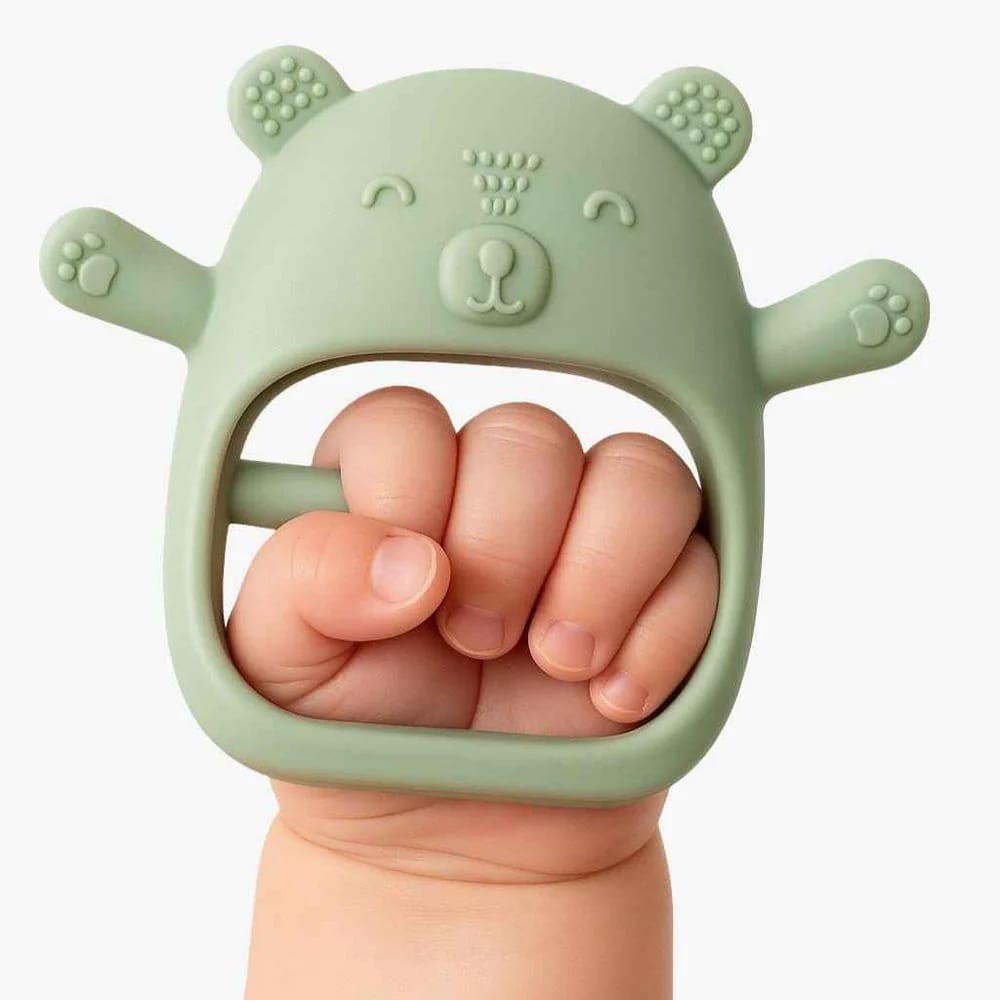
Kiko No-Drop Newborn Teether
BIS Certified | Clip-on design | Ages 3+ months | Food-grade silicone
₹449
Why parents love it: The clip-on design eliminates constant dropping during the early months when grip control is still developing. It's lightweight, soft enough for tender gums, and the no-drop feature means less cleaning and more peace of mind. Perfect for newborns transitioning into the early teething phase.
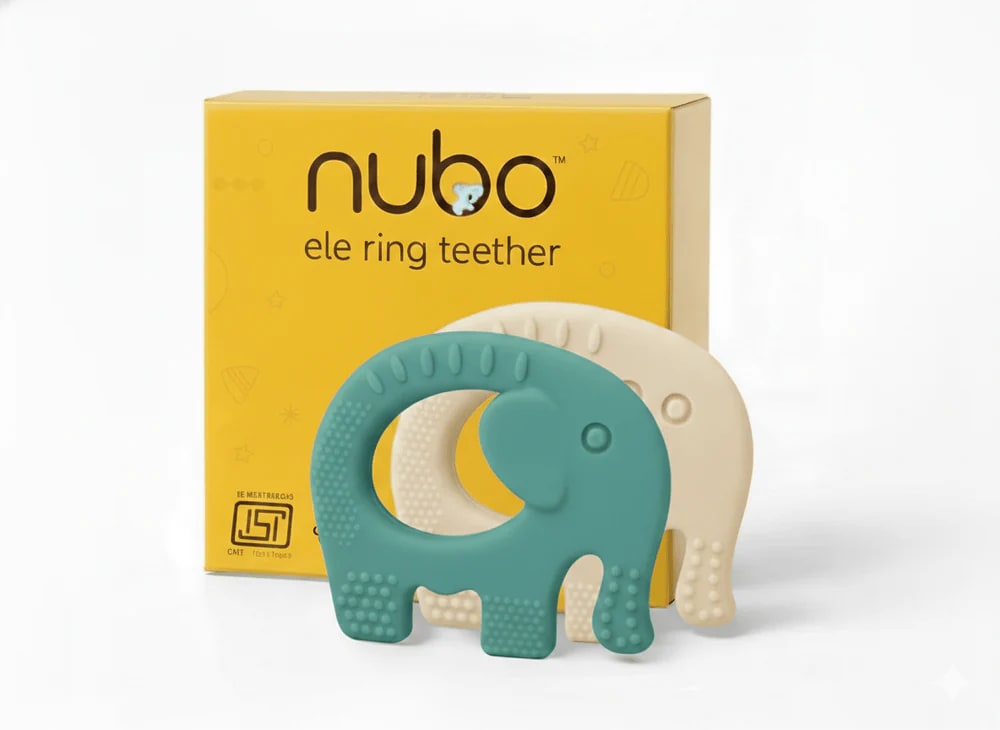
Why parents love it: Two teethers in one means you always have a backup in the fridge. Each ring offers different textures, supporting sensory exploration across stages. The classic ring design fits perfectly in small hands, and the varied textures let your baby choose what feels best on their gums. Great value for the developmental support it offers.
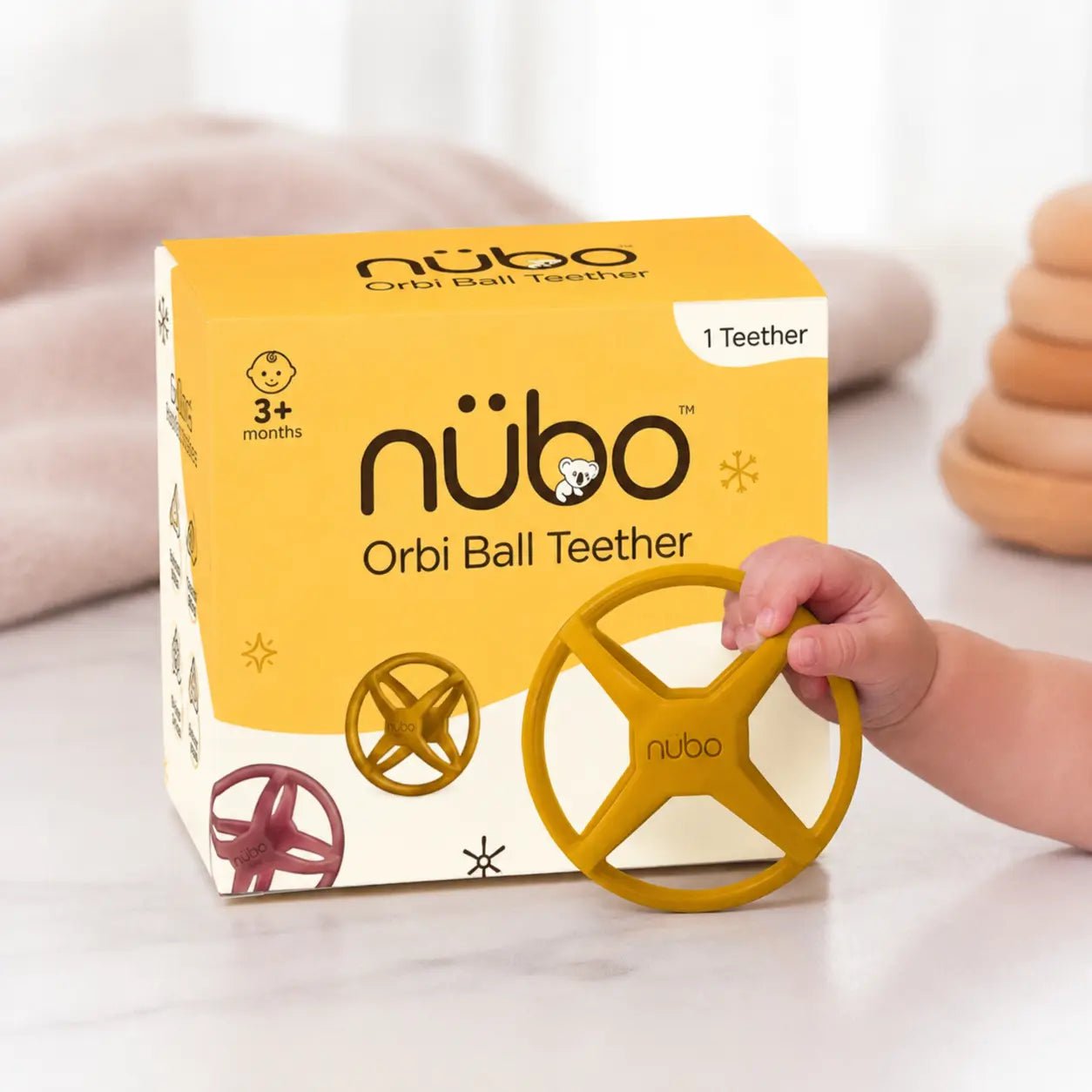
Orbi Ball Silicone Sensory Teether
BIS Certified | Textured spheres | Ages 5+ months | Multi-sensory
₹599
Why parents love it: The ball design with textured bumps supports both teething relief and sensory development. It's firm enough for older babies who want real chewing resistance, yet safe and non-toxic. The sphere rolls, making playtime engaging beyond just gnawing. Excellent for babies ready to graduate from soft newborn teethers.
TEETHERS BEYOND THE FIRST YEAR: WHAT COMES NEXT
By 12 months, your baby may have several teeth and might seem ready to leave teethers behind. But many babies continue to find comfort in chewing even after the active teething phase. Teethers can stay useful well into toddlerhood, especially during times of stress or when new molars are coming in (around 18–24 months).
As your child grows, you might rotate in firmer options or add toys with varied textures that support continued mouth exploration and development. The key is responding to your child's needs rather than following a strict timeline.
FREQUENTLY ASKED QUESTIONS
Q: When should I introduce a teether to my baby?
A: You can introduce teethers as early as 3–4 months, even before visible signs of teething. Early introduction helps babies become familiar with safe chewing objects. Some babies show interest in mouthing and chewing around this age, making it an ideal time to have a teether available. Most active teething (with visible tooth eruption) happens between 6–12 months.
Q: Are silicone teethers safe for newborns?
A: Yes, food-grade silicone teethers are safe for newborns and babies of all ages, provided they're BIS certified or internationally safety-tested. Silicone is non-toxic, doesn't contain BPA or phthalates, and is designed specifically for oral exploration. For the youngest babies (0–3 months), choose softer teethers or clip-on designs that prevent dropping hazards.
Q: Can I freeze a silicone teether for relief?
A: No—avoid freezing teethers solid. A frozen teether is too hard and can damage your baby's tender gums. Instead, refrigerate teethers in the fridge for gentle, soothing cold relief without harming gum tissue. Chilled teethers provide numbing comfort while maintaining a safe texture for young mouths.
Q: How often should I clean my baby's teether?
A: Clean teethers daily, ideally after each use or at minimum once per day. Wash with hot soapy water or place in the dishwasher (if dishwasher-safe). Since babies mouth everything during this stage, regular cleaning prevents bacteria and mold growth. If your teether has been dropped on the floor, rewash before giving it back to your baby.
Q: What's the difference between a teether and a pacifier?
A: A teether is designed for active chewing and sensory exploration—your baby controls when and how they use it. A pacifier is meant for soothing and comfort, often used during sleep. Teethers support motor skill development and exploration; pacifiers are comfort tools. You can use both, but they serve different purposes.
Q: Are made-in-India teethers as safe as imported ones?
A: Yes, provided they're BIS certified and meet the same safety standards as international products. Many Indian manufacturers now produce teethers that match or exceed global quality benchmarks. Made-in-India options often combine safety certifications with designs tailored to Indian babies' needs and preferences—and they're usually more affordable too.
CONCLUSION
Teething is one of the first major milestones in your baby's journey, and choosing the right teether is a small but meaningful way to support their comfort and development. A quality silicone teether that's age-appropriate, safe, and thoughtfully designed does more than ease sore gums—it supports sensory exploration, fine motor development, and hand-mouth coordination during critical early months.
The best teether for your baby depends on their age, grip strength, and preferences. Start soft and lightweight with younger infants; graduate to firmer, textured options as they grow and their chewing becomes more purposeful. Keep 2–3 teethers on rotation, refrigerate (never freeze), clean daily, and watch for your baby's cues about what they prefer.
At Nubokind, we design teethers with Montessori principles in mind—understanding that every tool in your baby's world should support learning, not just comfort. Whether you choose a simple ring teether or a multi-sensory option, the goal is the same: safe, thoughtful support for your baby's natural developmental needs.
Ready to find the right teether for your little one? Explore our collection of BIS-certified teethers and sensory toys designed for Indian babies—because every baby deserves tools that are as safe as they are developmentally supportive.


,%20appropriate%20textures%20for%20each%20stage,%20and%20...)
leave a comment
This site is protected by hCaptcha and the hCaptcha Privacy Policy and Terms of Service apply.