
Quick Answer
Start introducing teethers around 3–4 months. Look for BIS-certified silicone teethers that are soft, easy to grip, and free from harmful chemicals. A good first teether should provide gentle relief for sore gums while being safe to chew on.
WHEN TO INTRODUCE A NEWBORN TEETHER
Many parents wonder if their baby is too young for a teether. The truth is, babies can start using teethers as early as 3 to 4 months old, even if their first teeth won't emerge for several more months. At this age, babies are naturally exploring their mouths and chewing on their hands—a teether simply gives them a safe, comfortable alternative.
Signs your infant is ready for a teether include increased drooling, chewing on fingers, and wanting to put objects in their mouth. These are normal developmental milestones, not necessarily signs that teeth are coming. A silicone teether offers the perfect texture and safety at this early stage.
That said, every baby is different. Some may show interest earlier or later. The key is to observe your baby's behavior and introduce a teether when they seem curious and ready to explore.
WHAT MAKES A SAFE TEETHER FOR BABIES
Safety is your top concern—and it should be. A safe infant teether must meet strict standards. In India, look for BIS (Bureau of Indian Standards) certification, which ensures the product has been tested for harmful chemicals, durability, and age-appropriate safety.
Key safety features to check:
- BIS certification — non-negotiable for peace of mind
- Non-toxic, food-grade silicone — free from BPA, phthalates, and lead
- No small detachable parts — everything must be securely attached
- Smooth, sealed edges — no sharp or rough surfaces
- Easy to clean — you'll be washing it often
Always inspect your teether regularly for cracks, discoloration, or wear. If you notice any damage, it's time to replace it. Storing teethers in a clean, dry place and washing them daily with warm water and mild soap keeps them hygienic.
TYPES OF TEETHERS AND HOW TO CHOOSE
Not all teethers are the same. Understanding the different types helps you pick the right one for your baby's needs and stage of development.
| Teether Type | Best For | Key Benefit |
|---|---|---|
| Ring Teethers | Newborns & young infants (3–6 months) | Easy to grip, portable, simple |
| Silicone Teethers | All ages (3+ months) | Soft, durable, safe for gums |
| Textured Teethers | Older infants (6+ months) | Varied textures stimulate sensory play |
| Cooling Teethers | Infants with active teething (5+ months) | Numbing relief for sore gums |
Ring teethers are perfect for newborns because they're lightweight, easy to hold, and fit naturally in a baby's mouth. They often come in pairs or sets, so you always have a clean one ready.
Silicone teethers are versatile and long-lasting. Their soft, chewy texture mimics the comfort of teething while protecting developing gums. Many silicone teethers come in fun shapes and colors that also support sensory development—a win-win for play and relief.
Textured teethers with bumps, ridges, and varied surfaces work well for older infants who have started solids and are ready for more stimulation. These teethers often double as sensory toys, engaging your baby's growing curiosity.
WHY SILICONE TEETHERS ARE A PRACTICAL CHOICE
If you're researching infant teething relief, you'll notice silicone teethers recommended again and again. Here's why they're so popular among parents and experts.
Durability and longevity are major advantages. Unlike rubber or plastic, food-grade silicone doesn't degrade quickly, meaning one teether can last through multiple babies or seasons of use. It's also dishwasher-safe and easy to sterilize, which matters when hygiene is a concern.
Texture and comfort make silicone ideal for tender gums. The material is soft enough to massage sore areas without causing injury, yet firm enough to provide satisfying resistance as your baby chews. This balance is crucial for comfort.
Sensory development is another benefit. Many silicone teethers come in varied shapes—balls, rings, shapes—that encourage exploration and fine motor skills. Your baby isn't just teething; they're learning through touch and play.
A silicone teether safe for baby means it's free from harmful chemicals, certified, and designed specifically for young mouths. This peace of mind is priceless for first-time parents.
HOW TO USE AND CARE FOR INFANT TEETHERS
Introducing a teether correctly and maintaining it properly extends its life and keeps your baby safe. Here's a practical routine:
- Wash before first use — warm water and mild soap, then pat dry
- Clean daily — after each use or at least once per day
- Offer at room temperature — many babies prefer this, though some like cooler teethers (refrigerate, don't freeze)
- Supervise always — never leave your baby alone with a teether
- Check regularly for damage — discard if you notice cracks or discoloration
- Replace every 6–12 months — even durable silicone wears over time
Some parents enjoy rotating a few teethers so one is always clean while others are in use. This is especially helpful if you're using newborn teethers with younger infants who put everything in their mouths.
If your baby seems to prefer cooler relief, you can refrigerate a teether for 30 minutes before offering it. Never freeze, as extreme cold can damage silicone and may be too harsh on delicate gums. Always test the temperature on your wrist before giving it to your baby.
QUICK TIPS FOR PARENTS
- Start early, but don't rush. Teethers at 3–4 months are fine; early use supports mouth exploration and prepares gums.
- Always choose BIS-certified products. Certification guarantees safety testing and freedom from harmful chemicals.
- Silicone is your safest bet. Food-grade silicone teethers are durable, easy to clean, and gentle on gums.
- Rotate teethers for hygiene. Having 2–3 teethers means one is always clean while others are being used.
- Supervise every use. Even safe teethers require your watchful eye to prevent accidents.
- Replace when worn. Check regularly for cracks or damage; replace every 6–12 months.
BEST TEETHERS FOR NEWBORNS IN INDIA
Finding the right newborn teether in India or best teether for babies in India means looking for locally available options that meet international safety standards. The good news? You don't need to search far. Modern Indian brands now offer BIS-certified, high-quality teethers designed with your baby's development in mind.
When comparing options, consider your baby's age, grip strength, and sensory preferences. A made in India teether that's certified and thoughtfully designed can be just as effective as any import—and often comes with better understanding of local infant needs.
Consider starting with a versatile silicone ring teether for early exploration, then adding textured or sensory options as your baby grows. Many parents find that having one reliable teether for each month of use ensures you're never caught without a clean option.
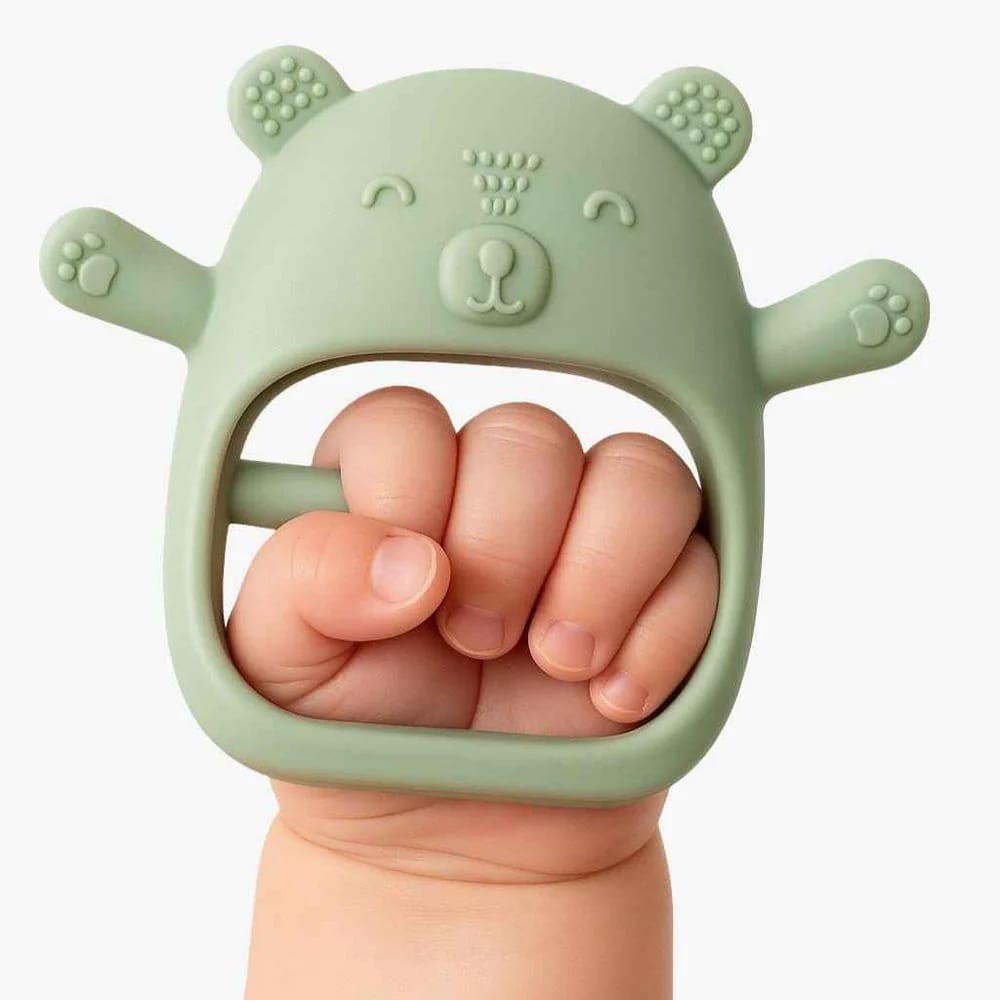
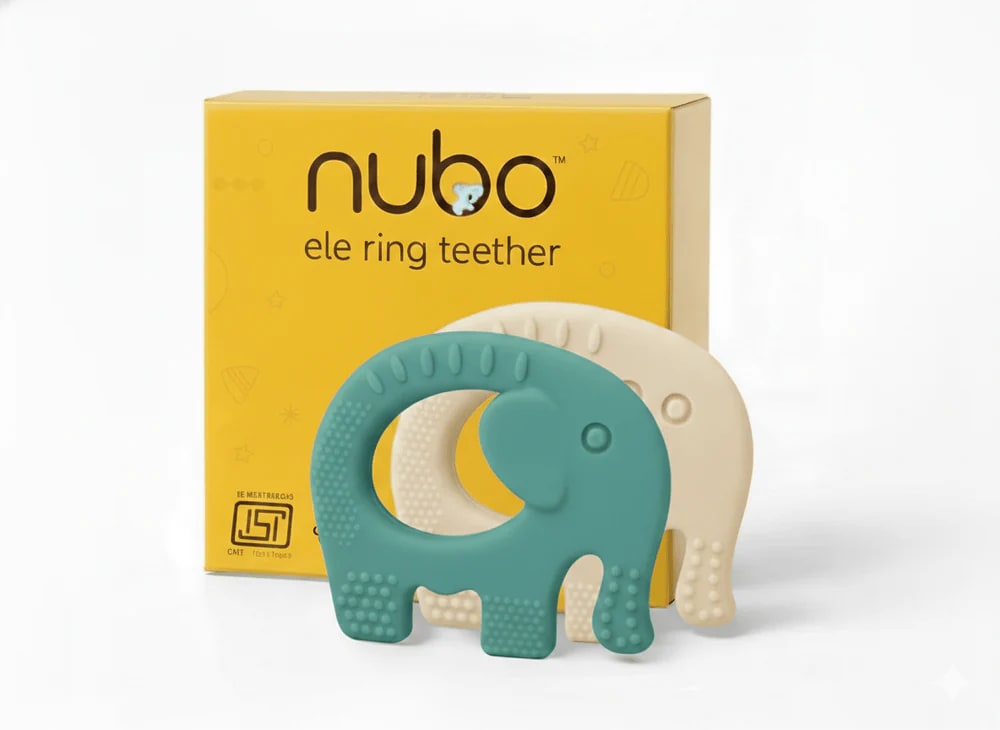
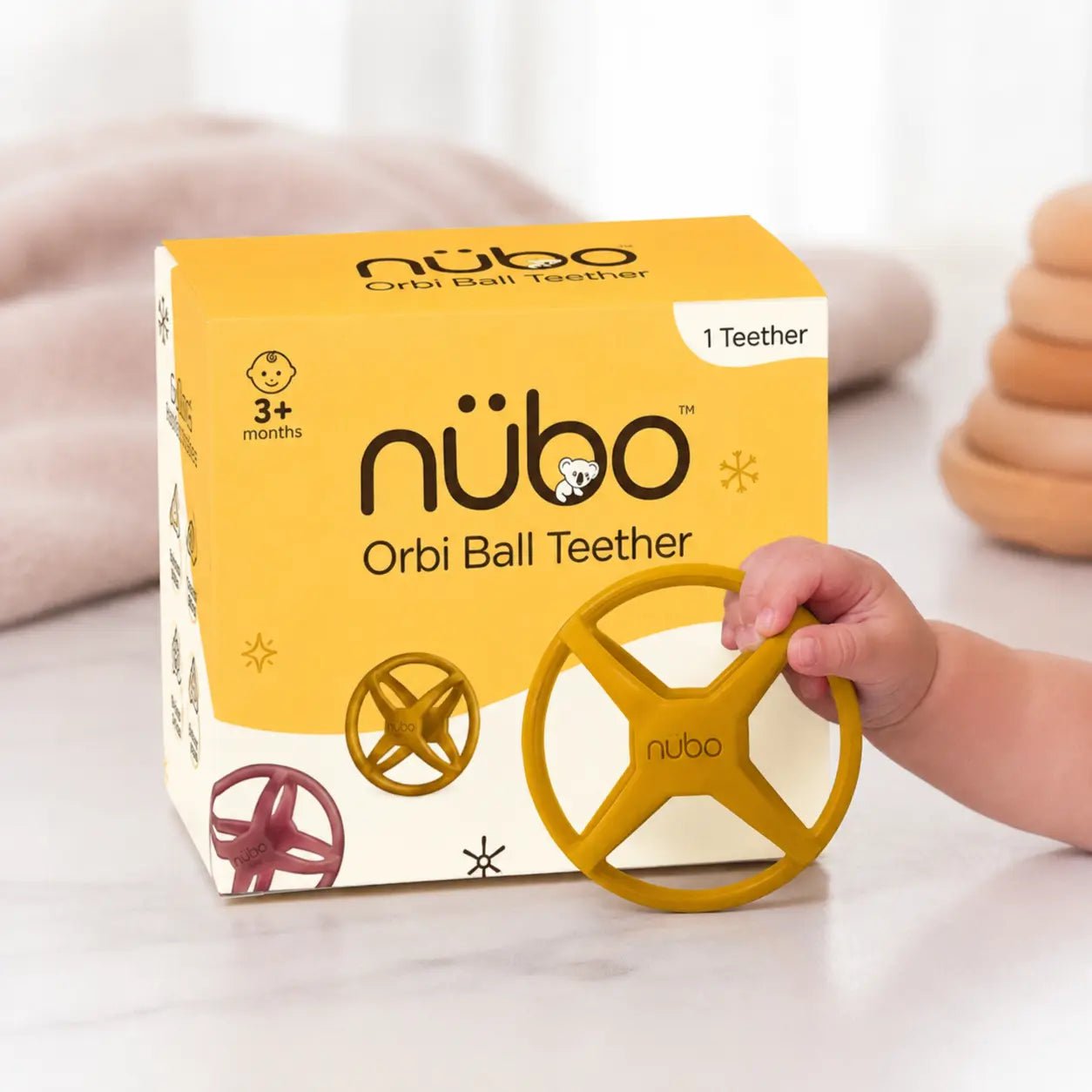
Each of these options is designed with early infant development in mind—combining safety, comfort, and sensory engagement. Whether you choose a simple ring for your newborn or a textured sensory teether as they grow, you're supporting their natural need to explore and soothe.
FREQUENTLY ASKED QUESTIONS
Q: At what age can I introduce a teether for baby?
A: You can introduce a newborn teether as early as 3 to 4 months old, even if teeth haven't erupted yet. At this age, babies naturally explore their mouths and benefit from a safe object to chew on. Signs of readiness include increased drooling and hand-chewing. Always supervise use.
Q: Is a silicone teether safe for my baby?
A: Yes, a silicone teether safe for baby is one of the best choices available. Food-grade silicone is non-toxic, free from BPA and phthalates, and easy to clean. Always look for BIS certification to confirm the product meets Indian safety standards.
Q: How often should I clean my baby's teether?
A: Clean your infant teether daily with warm water and mild soap, especially after each use. This prevents bacterial buildup and keeps the teether hygienic. You can also use a sterilizer or dishwasher if the product is marked dishwasher-safe.
Q: Can I put a teether in the refrigerator or freezer?
A: You can refrigerate a teether for 30 minutes to provide cool relief, which many babies prefer. However, never freeze it, as extreme cold can damage the silicone and may be too harsh on delicate gums. Always test the temperature on your wrist before offering it to your baby.
Q: What should I look for in the best infant teethers?
A: Look for BIS certification, food-grade silicone material, easy-grip design, smooth edges, and age-appropriate size. The best teethers are durable, dishwasher-safe, and free from harmful chemicals. Consider your baby's age and grip strength when choosing between ring teethers, textured options, or sensory designs.
Q: Do I need multiple teethers or just one?
A: Having 2–3 teethers is ideal. This ensures one is always clean while others are in use, and you're never without a hygienic option. Many parents prefer starting with a simple ring teether for newborns, then adding textured or sensory options as their baby grows.
CONCLUSION
Choosing a safe and comfortable first teether is one of the small decisions that makes a big difference in your baby's early months. By starting around 3 to 4 months, selecting BIS-certified silicone teethers, and maintaining a simple cleaning routine, you're giving your baby the best chance to explore, soothe, and develop healthily.
Remember: every baby is unique. What works beautifully for one infant might not appeal to another. Don't hesitate to try a few options or ask experienced parents in your community for recommendations. Trust your instincts, supervise always, and enjoy watching your little one discover the world through safe, intentional play.
When you're ready to explore quality teethers designed with your baby's development in mind, visit Nubokind to discover a thoughtfully curated selection of BIS-certified teethers and sensory toys. Your journey into first parenthood deserves products you can trust.


leave a comment
This site is protected by hCaptcha and the hCaptcha Privacy Policy and Terms of Service apply.