
Quick Answer
The best infant teether combines safe, non-toxic materials like food-grade silicone, varied textures for sensory play, and an easy-to-clean design. Look for BIS-certified teethers made from silicone or natural rubber, with no small parts, and prioritize options designed for your baby's age and developmental stage.
WHY CHOOSING THE RIGHT TEETHER MATTERS
Teething is a significant milestone in your baby's development, usually starting around 3–6 months of age. During this time, your little one's gums are tender, swollen, and desperate for relief. A well-designed teether doesn't just soothe discomfort—it also supports sensory development, hand-eye coordination, and oral motor skills.
The challenge? Not all teethers are created equal. Some are poorly designed, difficult to clean, or made from materials that aren't safe for your baby's mouth. As a first-time parent, knowing what to look for can feel overwhelming. That's why we've put together this straightforward guide to help you make an informed choice.
When you choose the right newborn teether, you're giving your baby a tool that genuinely helps while also supporting their natural curiosity and developmental needs. Let's explore what makes a teether truly work for your family.
MATERIALS: THE FOUNDATION OF SAFETY
The material of your infant teether toys is the most important factor. Your baby will chew, drool on, and potentially drop their teether hundreds of times. The material must be safe, durable, and non-toxic.
Food-Grade Silicone Teethers
Silicone teething is one of the most popular choices among Indian parents and for good reason. Food-grade silicone is soft, flexible, and gentle on emerging teeth and tender gums. It doesn't leach chemicals, doesn't crack easily, and can withstand repeated washing and sterilization.
Look for teethers labeled as BIS-certified or explicitly stating "food-grade silicone." This ensures the material meets Indian safety standards and hasn't been treated with harmful coatings. The silicone should be free of BPA, phthalates, and other endocrine disruptors.
Natural Rubber Teethers
Natural rubber, derived from the rubber tree, is another safe option. It's biodegradable, hypoallergenic, and naturally antimicrobial. However, it's less flexible than silicone and may not appeal to all babies. If your family has a history of latex sensitivity, check with your pediatrician before choosing natural rubber.
Wood and Cloth Teethers
Some best teethers for newborns combine wood with fabric or silicone. While wood is natural and safe, ensure it's untreated, splinter-free, and sealed with non-toxic finishes. Cloth elements should be tightly stitched and free from small buttons or embellishments that could pose a choking hazard.
| Material | Safety Profile | Easy to Clean? | Durability |
|---|---|---|---|
| Food-Grade Silicone | Excellent — BPA-free, non-toxic | Yes — dishwasher safe | Very durable |
| Natural Rubber | Excellent — biodegradable | Yes — hand wash | Moderately durable |
| Untreated Wood | Good — if sealed safely | Hand wash only | Long-lasting |
| Fabric/Cloth | Good — if tightly constructed | Machine washable | Moderate |
TEXTURES AND SENSORY PLAY
Babies learn through their senses. Different textures on a teether engage your baby's touch receptors, build sensory awareness, and provide varied relief for different parts of the gums. The best infant teethers combine multiple textures in one tool.
Bumpy and Nubbed Textures
These provide gentle massage to tender gums. Bumpy surfaces help break up the pressure evenly and feel particularly soothing when your baby is in acute discomfort. Many teethers feature varied bump sizes to target different areas of the mouth.
Ridged and Wave Patterns
Ridges offer a different sensory experience and are often easier for small hands to grip. Wave patterns follow the natural curves of a baby's mouth and can be particularly effective for relief.
Smooth and Soft Areas
Not every part of a teether needs to be textured. Smooth areas provide relief for the front teeth and allow your baby to rest their gums when needed. The combination of smooth and textured creates balance.
Rings and Handles for Grip
Ring teethers and teething rings with handles are specifically designed so your baby can hold them independently. As your little one develops motor skills around 4–6 months, the ability to grip and manipulate a teether becomes important for development—not just relief.
DESIGN FEATURES THAT MAKE PARENTING EASIER
Beyond material and texture, the practical design of your infant teether affects your daily life. You'll be washing, sterilizing, and carrying this tool regularly. Smart design saves time and stress.
Easy-to-Clean Surfaces
Look for teethers with no crevices, hidden grooves, or corners where milk, food, or bacteria can hide. Smooth, simple shapes are easier to wash. Dishwasher-safe teethers save time for busy parents—just check the manufacturer's instructions to ensure the material won't degrade.
No Small Parts or Detachable Pieces
Any part that could separate is a potential choking hazard. Choose teethers that are molded as one solid piece or have parts that are permanently bonded. Avoid teethers with small beads, bells, or button-style attachments for young infants under 6 months.
Anti-Drop Design
A teether with a handle or attached loop means it's less likely to end up on the floor (and in your shoes). Some newborn teethers feature built-in loops that attach to a toy leash or stroller, keeping them accessible and hygienic.
Weight and Size
The teether should be lightweight so your baby doesn't tire their growing arm and hand muscles. It should also be appropriately sized for your baby's age—larger enough that it can't fit entirely in the mouth, but small enough for tiny hands to grasp.
Refrigerator-Safe Teethers
Many silicone teethers can be chilled (not frozen) in the refrigerator, which provides additional numbing relief. Check if the material is refrigerator-safe. Cold teethers offer extra comfort during peak teething discomfort, though room-temperature options work perfectly fine too.
SAFETY CERTIFICATIONS AND STANDARDS
In India, look for teethers that are BIS-certified or meet Indian toy safety standards. BIS (Bureau of Indian Standards) certification ensures the product has been tested for harmful chemicals, sharp edges, and safety hazards.
Key things to verify:
- BIS mark: A visible mark on the product or packaging showing compliance with Indian standards.
- No harmful chemicals: The product should be free of BPA, phthalates, lead, and cadmium. Check the label or ask the seller.
- Age-appropriate labeling: Best teethers for newborns should be labeled for use from 3+ months or similar. Follow age guidelines.
- Transparent sourcing: Choose brands like Nubokind that are transparent about where and how their teethers are made.
- No recalls: Before purchasing, quickly search for product recalls. Reputable brands maintain updated safety records.
Don't assume that higher price always means higher safety. Instead, prioritize certification and transparent ingredient lists over brand name alone.
CLEANING, STERILIZATION & MAINTENANCE
Your baby's teether will spend a lot of time in their mouth and will get dirty frequently. A maintenance routine that's simple and effective protects your baby's health and extends the teether's life.
Daily Cleaning
Rinse the teether under warm running water immediately after use. Use a soft brush or cloth to gently scrub away any milk, food residue, or drool. For most silicone teethers, a quick wash with warm soapy water is sufficient.
Deeper Cleaning
Once a day, place the teether in the dishwasher's top rack (if manufacturer-approved) or hand wash with hot water and gentle soap. If hand washing, use your fingernail or a soft brush to reach any textured areas. Rinse thoroughly to remove all soap residue.
Sterilization
For teethers used by infants under 3 months or for additional peace of mind, sterilize weekly. You can boil the teether in water for 5–10 minutes (ensure it's silicone-safe), use a steam sterilizer, or follow the manufacturer's specific sterilization instructions.
Storage
Store the teether in a clean, dry place. A small mesh bag or drawer divider keeps it organized and separate from other items. Avoid storing in sealed containers where moisture can accumulate.
Replacement Timing
If the teether shows signs of wear—discoloration, stickiness, soft spots, or cracks—it's time to replace it. Most silicone teethers last 6–12 months with proper care before material degradation begins.
CHOOSING BY YOUR BABY'S AGE AND STAGE
Not all teethers suit every age. Your baby's developmental abilities, jaw strength, and teething intensity change over the first two years. Here's a breakdown to guide your choice:
| Age Range | Best Teether Features | Why It Works |
|---|---|---|
| 3–4 months (early) | Ring teethers with handles; easy-grip design | Baby can hold and bring to mouth independently |
| 4–6 months (peak) | Varied textures; refrigerator-safe options | Intense gum soreness; multiple textures provide relief |
| 6–12 months | Larger teethers with bumpy textures; silicone balls | Stronger jaw; can chew more vigorously |
| 12+ months | Combination teethers; cloth + silicone blends | Baby may prefer varied sensory experiences; teething continues |
QUICK TIPS FOR PARENTS
- Start with 2–3 teethers: Rotation allows for washing and drying while your baby always has a clean option available.
- Skip the frozen teether: Hard, frozen teethers can crack a baby's emerging teeth. Chilled (cool, not frozen) is safer and still effective.
- Trust your baby's preference: Not every teether works for every baby. Offer a few styles and let your little one's comfort guide your choice.
- Combine with other comfort: A teether is one tool. Gentle gum massage with a clean finger, cold washcloths, and extra cuddles all help during teething.
- Watch for wear regularly: Inspect teethers weekly for cracks or discoloration. Replace as needed to maintain safety.
- Don't skip certification: Always verify BIS certification or equivalent safety standards. It's a small detail that protects your baby.
RECOMMENDED PRODUCTS FOR TEETHING RELIEF
When you're ready to invest in quality teethers designed with your baby's safety and development in mind, consider these options:
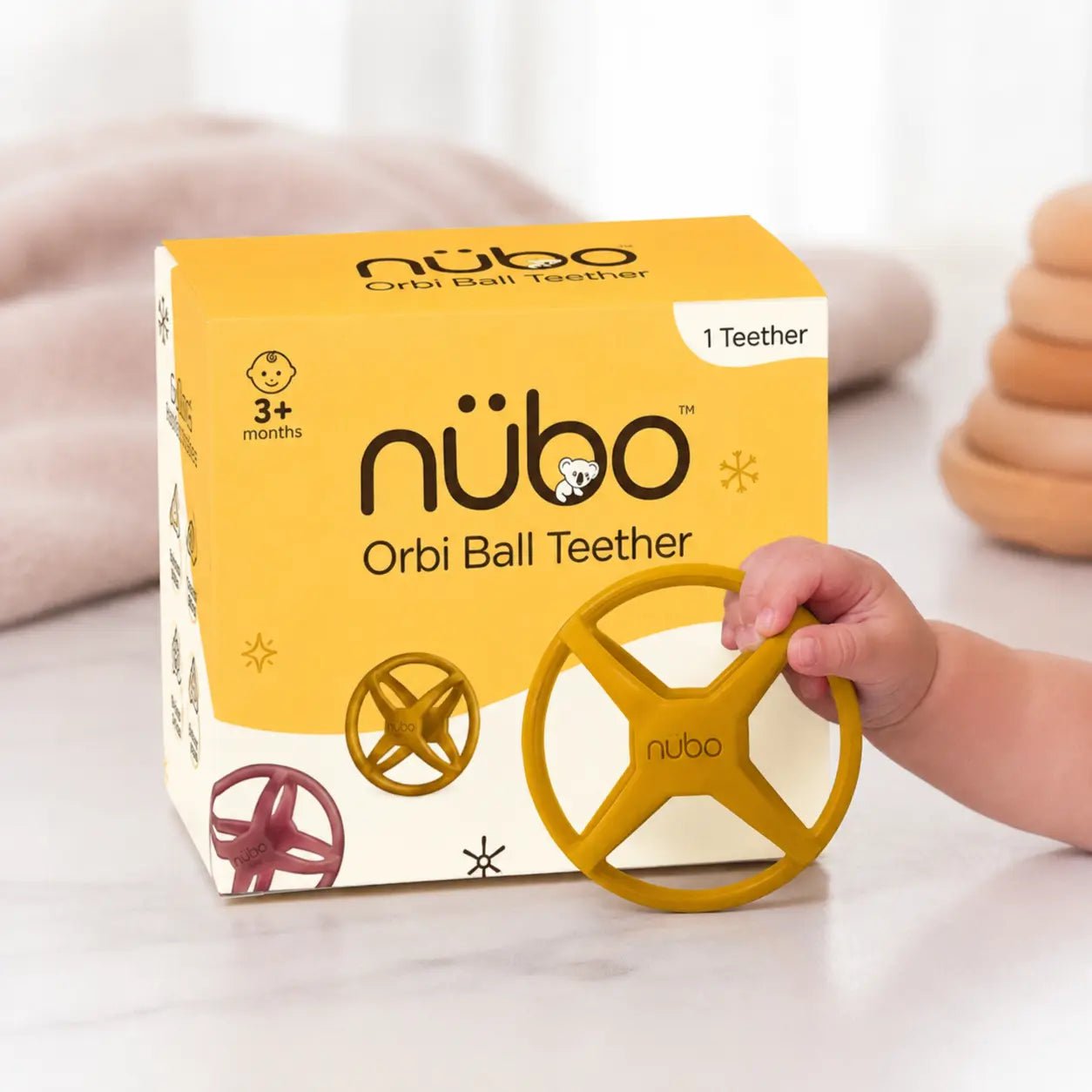
Orbi Ball Silicone Sensory Teether
BIS Certified | Food-Grade Silicone | Multiple Textures | 4+ months
₹599
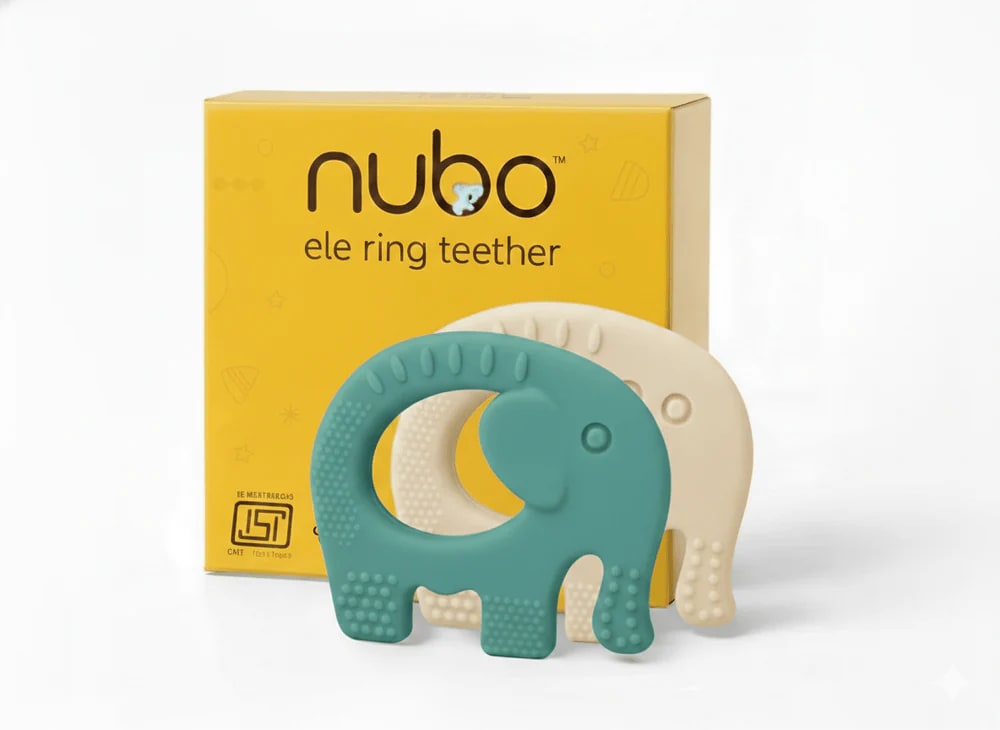
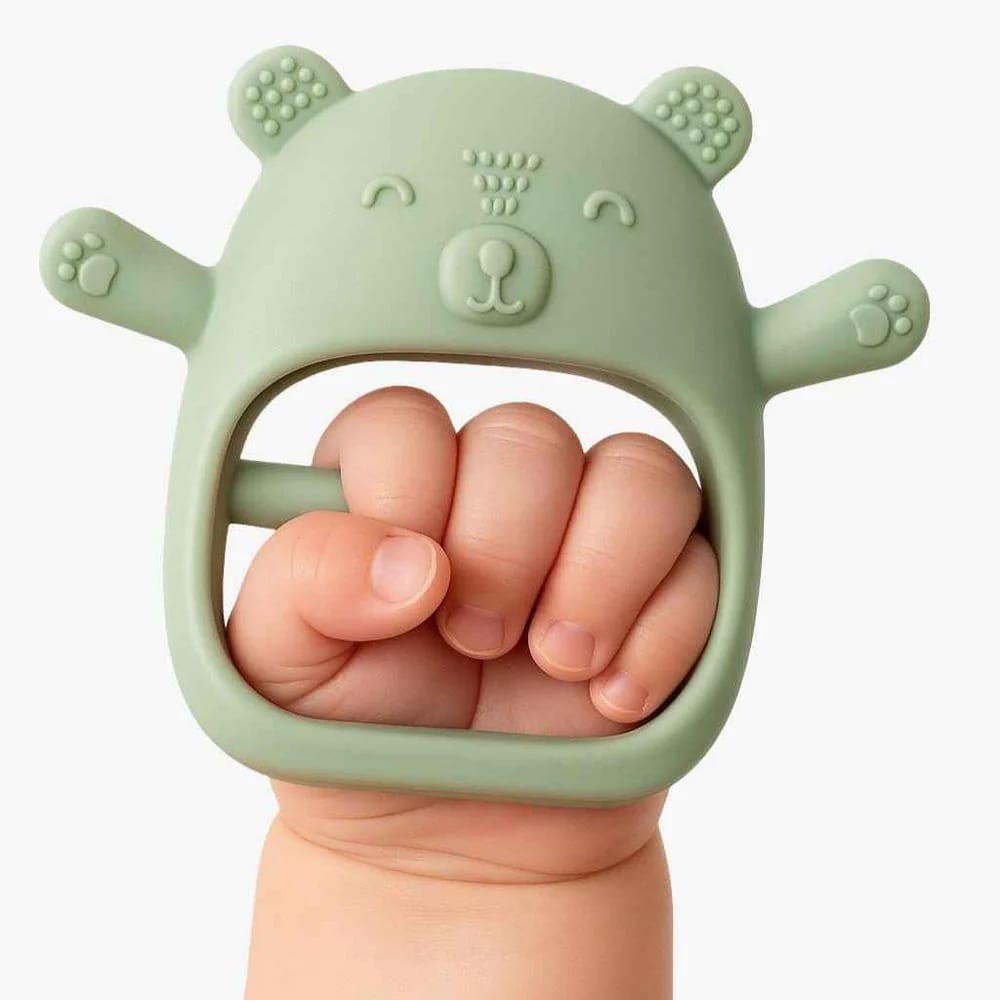
Each of these best infant teethers is made in India, BIS-certified, and designed with real babies and parents in mind. They combine safe materials, varied textures, and practical design features to support both teething relief and sensory development.
FREQUENTLY ASKED QUESTIONS
Q: At what age should I introduce a teether?
A: Most babies are ready for a teether around 3–4 months, though some show signs of teething earlier. Signs include drooling, swollen gums, chewing on fists, and mild swelling around the mouth. You don't need to wait for the first tooth to appear—a teether is most helpful before teeth break through, when gums are sore and tender.
Q: Is a silicone teether safe for my baby?
A: Yes, a silicone teether safe for baby is very safe when it's food-grade and BIS-certified. Food-grade silicone doesn't leach chemicals, is free of BPA and phthalates, and has been tested to meet Indian safety standards. Always verify the certification label before purchasing. Avoid low-cost teethers with unclear origins or missing safety information.
Q: How many teethers should I have?
A: Most parents find 2–3 teethers helpful. This allows one to be in use while others are being cleaned and dried. Having backups is especially useful during peak teething when your baby wants constant access to relief. Rotation also extends the life of each teether.
Q: Can I put a teether in the freezer?
A: Chilling a teether in the refrigerator for 20–30 minutes provides soothing relief and is safe. However, avoid freezing teethers solid, as the extreme cold can actually harden silicone and potentially damage emerging teeth. Refrigerator-chilled is gentler and just as effective for most babies.
Q: What's the difference between a made in India teether and imported ones?
A: A made in india teether that's BIS-certified meets Indian safety standards and is rigorously tested locally. India has strict manufacturing requirements, especially for baby products. The key is certification, not origin—whether made in India or elsewhere, always look for BIS certification and transparent material information. Many high-quality teethers are now made in India to global safety standards.
Q: How do I know if it's time to replace my teether?
A: Replace your teether if you notice discoloration that won't wash off, sticky or tacky texture, soft spots, cracks, or tears. If the silicone has started to degrade or feels different than when new, it's time for a fresh one. Most well-maintained silicone teethers last 6–12 months before replacement is needed.
CONCLUSION
Choosing the right teether for your baby doesn't have to be complicated. Focus on three essentials: safe, food-grade materials (especially BIS-certified silicone), varied textures that provide genuine relief, and practical design that's easy to clean. The investment in a quality teether is small but meaningful—it supports your baby's comfort during a significant developmental stage and gives you peace of mind as a parent.
Remember, every baby is unique. What works wonderfully for one infant might not appeal to another. Start with one teether that matches your baby's age and preferences, observe what they gravitate toward, and build a small collection that works for your family.
Whether you're exploring options for the first time or adding to your teether collection, prioritize infant teether toys that combine safety, sensory richness, and practicality. Your baby's comfort—and your sanity during teething—depends on it.
Ready to find the perfect teether? Explore Nubokind's range of BIS-certified teethers, all designed with your baby's developmental needs and your peace of mind in focus.


leave a comment
This site is protected by hCaptcha and the hCaptcha Privacy Policy and Terms of Service apply.