
Quick Answer
Look for BIS-certified silicone or natural rubber teethers with multiple textures. Choose based on your baby's age (3+ months), teething stage, and developmental needs. Prioritize safety certifications, non-toxic materials, and designs that are easy for small hands to grip.
WHY CHOOSING THE RIGHT TEETHER MATTERS
When your baby starts teething—usually between 3 and 6 months—their gums itch, swell, and feel sore. A good teether provides safe, soothing relief while also supporting their sensory and motor development. But with so many shapes, materials, and textures on the market, it's easy to feel confused about what will actually work for your little one.
The right teether does more than ease discomfort. It engages your baby's emerging curiosity, strengthens their grip, and encourages them to explore different textures and temperatures. Choosing thoughtfully saves you money and stress because you won't waste time buying products your baby rejects.
This guide walks you through the key factors every parent should consider—from safety standards to material choices—so you can confidently pick teethers that are safe, soothing, and developmentally supportive.
UNDERSTAND THE TEETHING TIMELINE
Not all teethers are created equal because babies develop at different speeds. Understanding where your baby is in the teething journey helps you choose features that match their needs.
| Age / Stage | What to Look For | Best Teether Type |
|---|---|---|
| 3–4 months (Early teething) | Soft textures, lightweight, easy to hold | Ring teethers, flexible silicone teethers |
| 5–7 months (Active teething) | Multiple textures, varied firmness, relief pressure | Textured silicone, sensory teething toys |
| 8+ months (Intense phase) | Firm resistance, complex shapes, multi-sensory | Solid silicone teethers, sensory balls |
Your baby's age is a starting point, not a strict rule. Some babies tooth earlier, others later. Watch for signs like increased drooling, chewing on fingers, or swollen gums to confirm your baby is ready for a teether.
MATERIAL SAFETY: WHAT TO CHOOSE AND AVOID
Material is everything. Your baby will gnaw, drool on, and sometimes throw their teether repeatedly. The material must be non-toxic, durable, and food-safe.
Silicone Teethers
Silicone teethers are the most popular choice for good reason. Food-grade silicone is soft, flexible, and safe for babies to chew. It's also easy to clean, doesn't absorb odors, and holds up well to repeated use. Look for products labeled as BIS-certified or made from medical-grade silicone to ensure purity and safety.
Natural Rubber
Natural rubber teethers (often made from sustainably harvested rubber trees) are another safe option. They're slightly firmer than silicone and provide good sensory feedback. However, if your baby has a latex allergy, avoid natural rubber and stick with silicone.
What to Avoid
Skip teethers with PVC, BPA, or phthalates—chemicals that can leach into your baby's mouth. Also avoid small detachable parts, beads that could be choking hazards, or paints that aren't food-safe. If in doubt, check for official certifications or ask your pediatrician.
KEY FEATURES THAT MAKE A DIFFERENCE
Beyond material, several design features directly affect how much relief and joy your baby gets from a teether.
Multiple Textures
Variety keeps your baby engaged. Smooth surfaces feel different from bumpy or ridged ones. Mixing textures—like combining soft nubs with firmer ridges—lets your baby choose what feels best for their sore gums while also supporting sensory exploration.
Easy-to-Grip Design
Your baby's hands are tiny. Choose teethers with handles, rings, or shapes that naturally fit a small fist. Teethers that are too large or awkwardly shaped frustrate babies quickly. A lightweight, ergonomic design means your baby can hold it themselves, which builds confidence and independence.
Temperature Play
Cold numbs sore gums. Many silicone teethers can be refrigerated (not frozen) to provide extra soothing relief. Some babies prefer room-temperature teethers. Having options means you can adjust based on what your baby prefers on any given day.
No-Drop Design
Babies drop things constantly—it's how they learn. A teether with a built-in clip or loop makes it easier to attach to a stroller, car seat, or clothing, reducing lost teethers and keeping germs off the floor.
SAFETY CERTIFICATIONS AND STANDARDS IN INDIA
When shopping for teethers in India, look for BIS (Bureau of Indian Standards) certification. This mark indicates the product meets strict safety, quality, and non-toxicity standards set by Indian authorities. It's your best assurance that a teether has been tested and approved for infant use.
Also check for CE marks (if the product is imported) and confirm the product is free from harmful chemicals. Reputable brands provide clear labeling of materials, age recommendations, and safety instructions. If you can't find this information, it's a red flag—choose a different product.
Buying from trusted Indian brands that prioritize early development and safety gives you peace of mind. Nubokind products, for example, are designed with Montessori principles and rigorous safety standards in mind, making them a reliable choice for Indian families.
QUICK TIPS FOR PARENTS
- Start with one teether and observe. Every baby's preference is different. Your baby might love a ring teether while another baby prefers a solid sensory ball. Start with one style, watch how your baby responds, and add variety from there.
- Rotate teethers to maintain novelty. If your baby gets bored, put a teether away for a few days and bring it back. The "new" teether will capture their attention again.
- Keep teethers clean. Wash with warm soapy water after each use. Never share teethers between babies without sanitizing. Silicone teethers can also go in the dishwasher on the top rack.
- Refrigerate, never freeze. A cold teether feels amazing on sore gums. Place it in the fridge for 30–60 minutes before use. Frozen teethers can be too hard and may damage delicate gum tissue.
- Supervise always. Even when using a safe teether, stay nearby while your baby chews. Regularly inspect the teether for cracks, tears, or loose parts that could become choking hazards.
- Combine with other comfort strategies. Teethers work best alongside gentle gum massage, cold (not frozen) teething rings, or even a clean, damp cloth. Every bit helps.
RECOMMENDED TEETHERS FOR DIFFERENT STAGES
To make shopping easier, here are some excellent options matched to your baby's teething stage and needs.
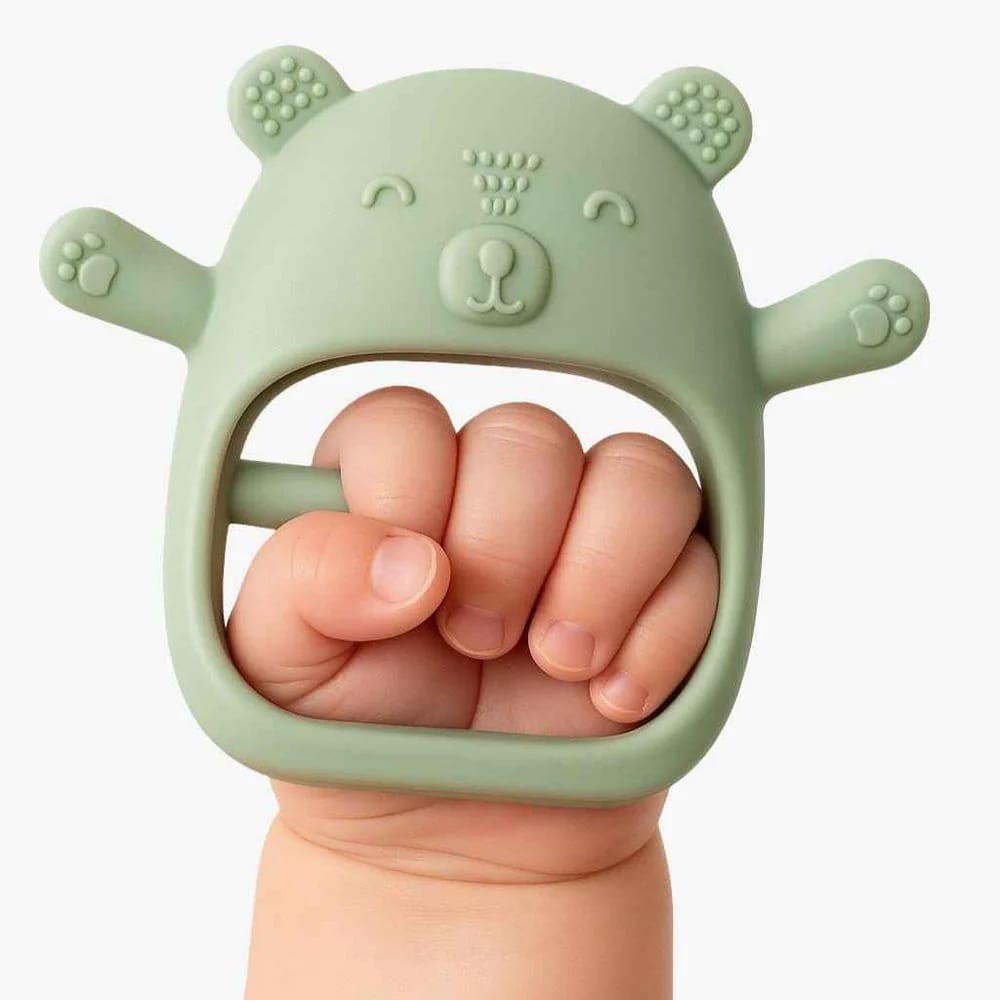
Perfect for early teething, the Kiko is lightweight, easy to grip, and includes a no-drop clip. Its soft silicone is gentle on newly sensitive gums, and the compact design fits naturally in small hands.
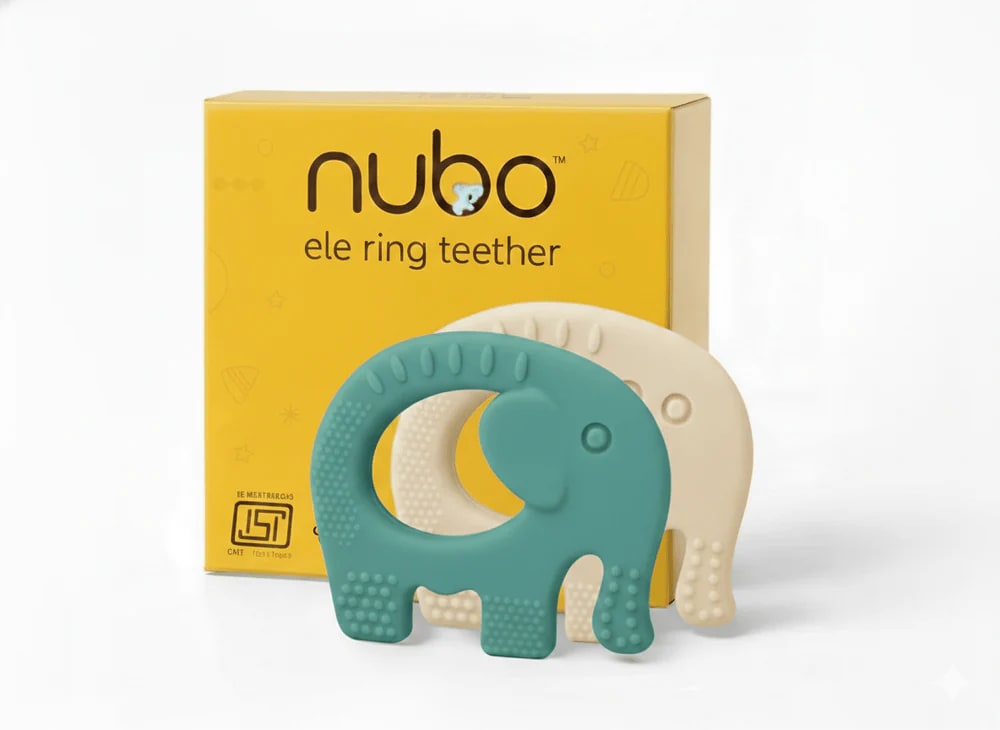
The ELE set offers variety with different textures and firmness levels in one package. Ideal for babies in the active teething phase, these ring teethers are easy to hold and provide the varied sensory input growing babies love.
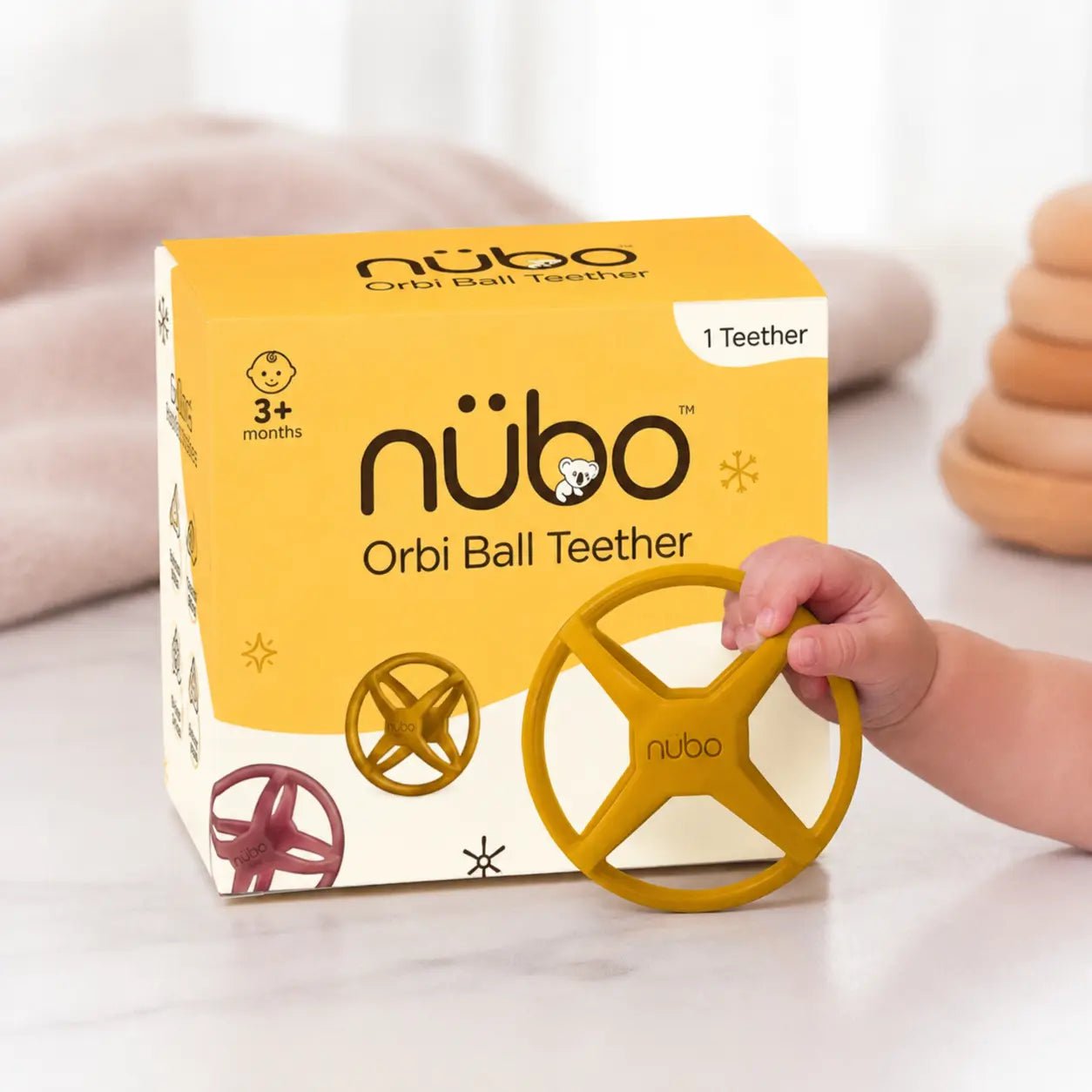
As your baby gets stronger and more curious, the Orbi Ball offers complex textures and sensory exploration. The bumped, ridged surface provides firm relief for intense teething and supports fine motor development as your baby learns to grasp different shapes.
BUILDING A TEETHING TOOLKIT
One teether is a start, but a small toolkit gives your baby options and keeps you sane. Consider combining a no-drop teether for on-the-go moments, a ring teether for at-home relief, and a sensory ball for older babies. This variety means your baby always has a teether nearby and can pick what feels best.
You don't need to spend a fortune. Having 2–3 quality teethers is better than buying 10 cheap ones. Rotate them to keep things fresh, and as your baby grows, gradually introduce more complex textures.
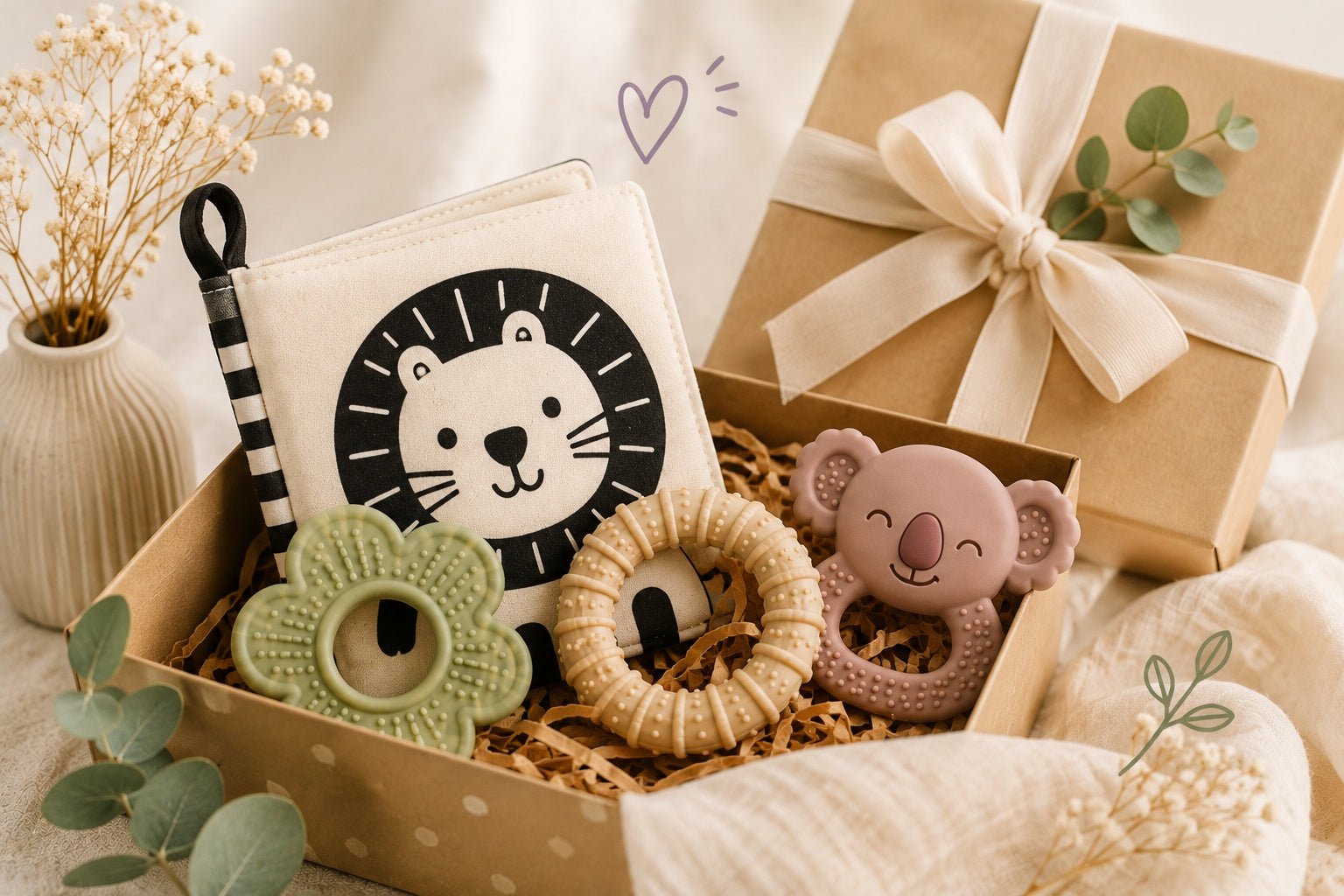
If you're looking for a complete newborn kit that includes teethers plus other developmental toys, the High Contrast Newborn Essential Kit combines teethers with sensory cards and cloth books—all designed to support early learning and exploration from birth onward.
FREQUENTLY ASKED QUESTIONS
Q: At what age can I introduce a teether to my baby?
A: You can introduce a newborn teether around 3 months, though some babies won't show interest until 4–6 months. Look for early signs of teething like increased drooling, chewing on fingers, or swollen gums. There's no harm in offering a teether early—if your baby isn't ready, they'll simply ignore it.
Q: Is silicone teether safe for my baby?
A: Yes, food-grade silicone is safe and is one of the most recommended materials for teethers. It's non-toxic, doesn't leach chemicals, and is easy to clean. Always look for BIS-certified silicone teethers or ones explicitly labeled as medical-grade to ensure quality and safety.
Q: Can I put a teether in the freezer to help with teething pain?
A: No. Freezing teethers makes them too hard and can potentially damage your baby's soft gum tissue. Instead, refrigerate the teether for 30–60 minutes before use. The cool (not frozen) sensation will soothe sore gums without the risk of injury.
Q: What's the difference between a teether and a teething toy?
A: A teether is specifically designed for chewing and gum relief, often with textures that massage sore areas. A teething toy may include teething features but also serves other developmental purposes, like sensory exploration or motor skill building. Both can support your baby during teething, but teethers are solely focused on comfort.
Q: How often should I replace my baby's teether?
A: With proper care, a quality silicone teether lasts several months to a year. Inspect it regularly for cracks, tears, or discoloration. If you notice damage, replace it immediately. Otherwise, clean it regularly and rotate it with other teethers to maintain both hygiene and your baby's interest.
Q: Do teethers actually help with teething pain, or is it just a distraction?
A: Research indicates that teethers provide genuine sensory relief by applying gentle pressure to sore gums and offering something safe to chew. The action of chewing releases endorphins and numbs discomfort. Combined with a cold (refrigerated) teether, the soothing effect is both tactile and psychological—making teethers a legitimate comfort tool.
CONCLUSION
Choosing the right infant teether for your baby doesn't have to be complicated. Focus on BIS-certified materials, age-appropriate design, multiple textures, and easy grip handles. Start with one quality teether, observe your baby's response, and build a small toolkit as they grow and their preferences become clear.
Remember: every baby is unique. What works for a friend's baby might not work for yours, and that's perfectly normal. The best teether is one your baby actually wants to use—safe, soothing, and developmentally supportive.
Ready to explore some trusted options? Check out Kiko No-Drop Newborn Teether for early-stage relief, ELE Ring Teether Set for variety, or Orbi Ball Silicone Sensory Teether for advanced sensory play. All are designed with safety, comfort, and your baby's development in mind. Trust your instincts, watch your baby's cues, and know that you're doing great. Happy teething!

,%20teething%20stage,%20and%20developmental%20needs.%20Prioritize%20s...)
leave a comment
This site is protected by hCaptcha and the hCaptcha Privacy Policy and Terms of Service apply.