
Quick Answer
Newborns see high contrast better than colors. Black-and-white patterns and images support visual tracking, focus, and early brain development in babies 0–6 months because their eyes are still developing the ability to distinguish fine detail and color.
Hook + Your First Step Forward
You bring your newborn home, and suddenly you're wondering if you're doing enough. Is she seeing things? Is she tracking? Will she be developmentally on track? These thoughts keep many first-time parents up at night—and they're completely valid.
Here's what actually helped thousands of Indian parents give their babies a head start: simple, scientifically-backed high contrast images and sensory tools that make tummy time, play time, and quiet moments more developmentally rich. Below are the most popular choices our parents trust.
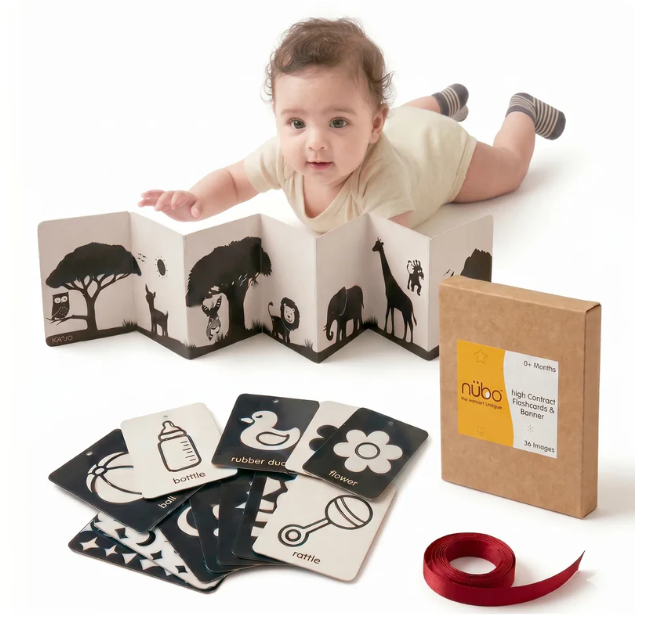
High Contrast Flashcards & Tummy Time Banner
Perfect for newborn tummy time | Montessori-inspired | Portable
₹299
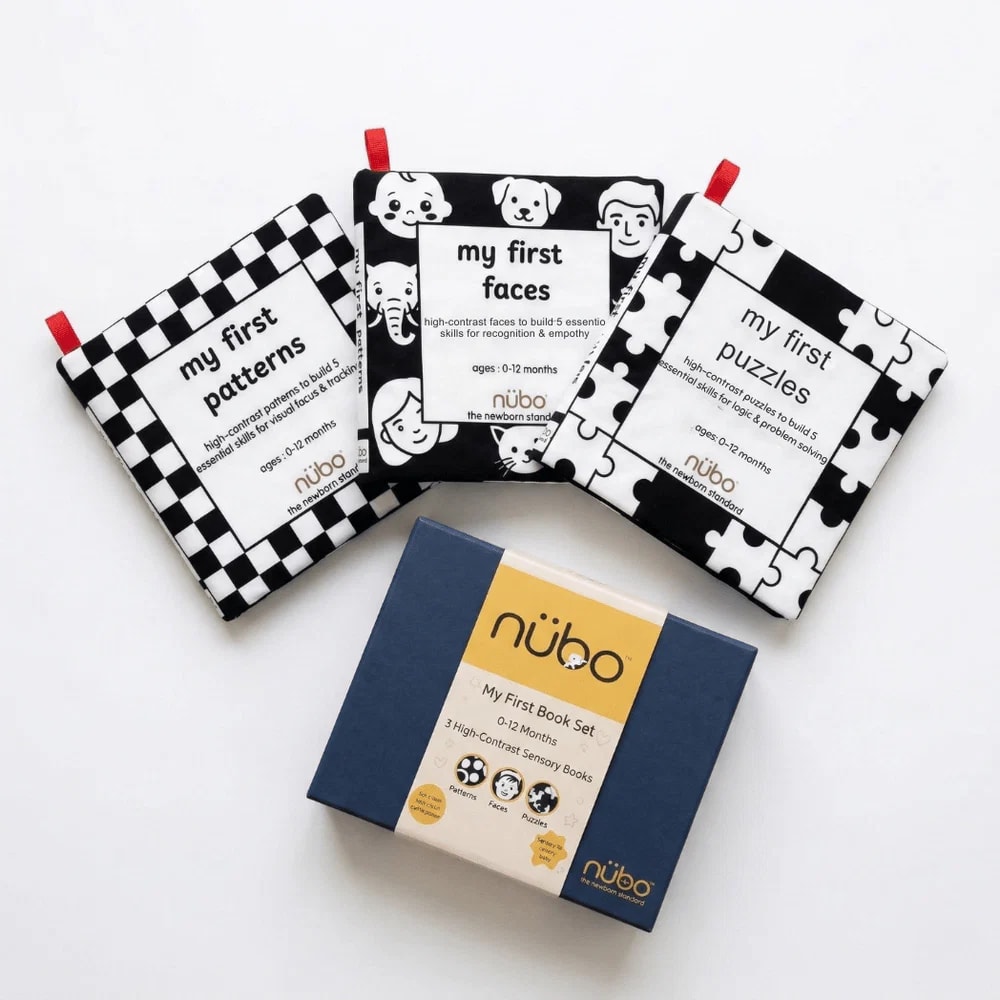
High Contrast Cloth Book Set
Soft, safe cloth | BIS Certified | 0–12 months | Infant learning toy
₹549
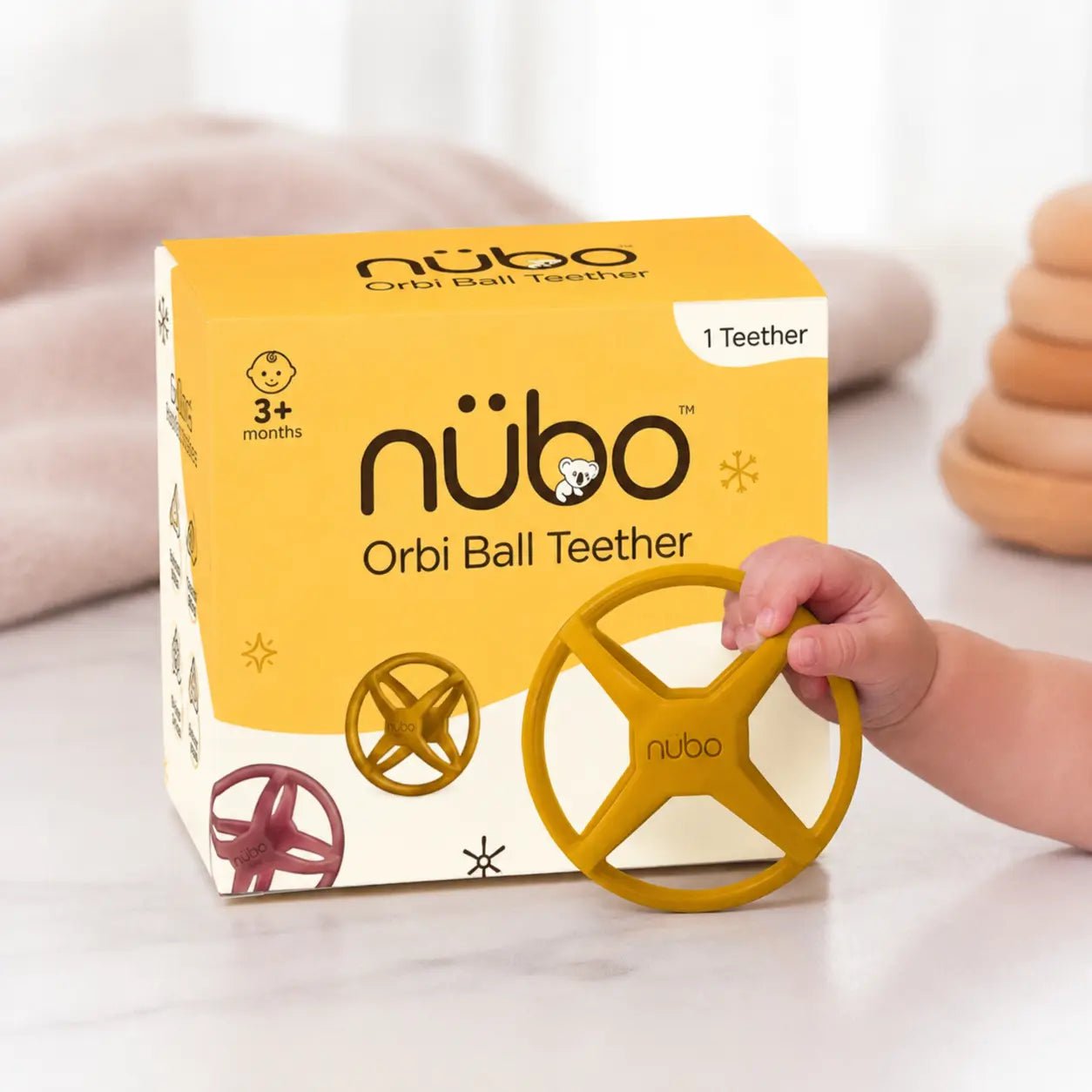
Orbi Ball Silicone Sensory Teether
Multi-sensory play | Safe silicone | 0–6 months | Teething + learning
₹599
Why Newborn High Contrast Images Matter for Development
Newborns aren't born seeing the way you do. A newborn's vision is blurry—they can see roughly 8–12 inches away (about the distance of a mother's face during feeding). Their eyes are still developing cone and rod cells, the structures that help us see color, detail, and light.
This is where high contrast black-and-white images become a game-changer. Because a newborn's developing eyes struggle to distinguish subtle color differences, they can focus much more easily on stark contrasts. Think of it like this: a bright red toy and a soft beige wall blend together in their vision. But a bold black-and-white checkerboard? That pops. That demands attention.
When babies engage with high contrast images—whether on a tummy time banner, in a cloth book, or on flashcards—they're not just looking. They're building neural pathways for visual tracking, focus, and attention span. Early visual stimulation supports brain development, encourages eye movement (crucial for motor control), and even lays groundwork for future learning. By 3–4 months, babies begin to distinguish colors. But in those crucial first months, high contrast is their visual sweet spot.
What to Look for in High Contrast Products for Infants
Not all high contrast toys and books are created equal. Here's what separates thoughtful, developmental products from generic ones:
| Good Quality High Contrast Products | Poor Quality / Generic Options |
|---|---|
| True black-and-white or bold primary colors (high contrast ratio) | Muddy, muted colors or pastels that blend together |
| Safe, non-toxic materials (BIS certified, food-grade silicone) | Unknown materials, strong chemical smell, no safety certifications |
| Soft cloth books for tummy time; no sharp edges or small parts | Hard plastic, flimsy construction, potential choking hazards |
| Designed for 0–6 months specifically; considers developmental stages | Generic "baby toy" label; no age-specific guidance |
| Montessori or sensory-play inspired; encourages touch and exploration | Purely decorative; doesn't support learning or motor development |
Nubokind's high contrast cloth books and flashcards check every box above. They're designed specifically for the 0–6 month window, use true black-and-white contrast, are BIS certified for safety, and are built with soft, washable materials perfect for tummy time. The flashcards are portable—keep them in your diaper bag—and the cloth books withstand drool, washing, and months of daily use.
Real Parents, Real Results
Palak Sharma
Beautiful gift
I bought this for a cousin's baby shower and it was the highlight of gifts. The packaging is beautiful and it feels like a very thoughtful, high-end product. It’s a unique alternative to the standard plastic toys you see everywhere.
Nirmala
best for tummy time
We use these cloth books during tummy time, and my baby stays happy and engaged for much longer.
Quick Tips for Using High Contrast Products with Your Newborn
- Tummy time is prime time. Place high contrast flashcards or a banner at eye level during tummy time (15–30 minutes, a few times a day from week 1). This encourages head lifting and visual tracking, two milestones tied to motor development.
- Keep it close. Newborns see best at 8–12 inches away. Hold cards or books at this distance, especially in the first month.
- Rotate patterns. Babies engage better with variety. Swap flashcards every few days to keep stimulation fresh and prevent boredom.
- Use natural light. High contrast works best in good lighting. Morning or afternoon near a window is ideal.
- Watch for engagement, not pressure. If your baby looks away, they're not being stubborn—they're managing input. Short, frequent sessions (3–5 minutes) are better than long ones for newborns.
- Pair with soft cloth books. Hand-held cloth books let your baby explore texture while seeing high contrast images. This combines visual and tactile learning.
Frequently Asked Questions
Are newborn high contrast images really necessary, or is it marketing hype?
They're not necessary to raise a healthy baby, but they do provide genuine developmental support. Research in early childhood development shows that high contrast visual stimulation supports neuroplasticity (the brain's ability to form new connections) and encourages motor milestones like tracking and focusing. Think of them as tools that make developmental play more effective—similar to how Montessori toys are designed to isolate learning. That said, everyday life provides plenty of contrast too. High contrast products simply make intentional, developmental play easier and more accessible.
When should I start using high contrast flashcards and images?
You can begin from birth, though newborns in the first 2 weeks are still adjusting and may not track actively. By week 2–3, most babies begin to show interest in high contrast patterns. The sweet spot for maximum benefit is 2–6 months. After 3–4 months, when babies start to see colors more clearly, you can gradually introduce colorful toys. But high contrast remains engaging and developmentally useful through 6 months and beyond.
Can high contrast products alone guarantee my baby will develop faster?
No product alone guarantees developmental milestones. Development is influenced by genetics, overall health, sleep, nutrition, and responsive caregiving. However, high contrast images support the *conditions* for learning—they encourage focused attention and eye movement. Combined with tummy time, cuddles, talking to your baby, and a safe environment, they're a valuable part of a developmental toolkit. They work best alongside the everyday interactions that matter most.
Are screens (like an app with high contrast images) better than physical flashcards or cloth books?
Physical flashcards and cloth books are better for infants 0–6 months. Screens emit light that can strain developing eyes, and there's no tactile engagement. High contrast cloth books and flashcards offer the visual stimulus plus the sensory experience of touch, which is crucial at this age. Save screen time for when your baby is older, and prioritize physical, hands-on tools now.
How do I know if my baby is responding to high contrast images?
Signs of engagement include: eye tracking (following the pattern as you move the card), sustained focus (holding their gaze for a few seconds), head turning toward the image, or reaching (by 3–4 months). Some babies are quieter and more subtle in their responses—they might stare intently without obvious movement. Even quiet attention is engagement. If your baby consistently looks away or seems uncomfortable, give them space and try again another time.
What's the difference between high contrast flashcards, cloth books, and a tummy time banner?
Flashcards are portable, ideal for quick sessions on the go, and let you control the pace and timing. Cloth books are soft, tactile, and great for independent exploration—babies can reach and mouth them safely. Tummy time banners are large, fixed visuals that encourage sustained focus during longer play sessions. Most families use a combination: banners for daily tummy time, cloth books for independent play, and flashcards for travel or quick engage-and-explore moments. Our High Contrast Cloth Book Set and Flashcards & Tummy Time Banner work beautifully together.
Conclusion
Your newborn's developing eyes are extraordinary—they're building the neural architecture for seeing, focusing, and learning. High contrast images and sensory toys aren't a magic shortcut, but they are a thoughtful, research-backed way to make everyday play more developmentally rich. When you combine them with tummy time, cuddles, and everyday interactions, you create an environment where your baby's visual and cognitive development can flourish.
The best part? You don't need complicated systems or expensive equipment. A simple cloth book during tummy time, a set of flashcards in your bag, and the intention to engage—that's enough. Explore Nubokind's High Contrast Cloth Book Set and High Contrast Flashcards & Tummy Time Banner to see how thousands of Indian parents are supporting their babies' early development—with safety, intention, and joy.


leave a comment
This site is protected by hCaptcha and the hCaptcha Privacy Policy and Terms of Service apply.