
Quick Answer
Start tummy time at birth, even for 1–2 minutes daily. It strengthens neck and shoulder muscles, aids digestion, and prevents flat spots on baby's head. Pair it with high-contrast visuals or sensory toys to keep newborns engaged and make the experience easier for you.
Your Tummy Time Challenge — And How to Solve It
Your newborn wails the moment their belly touches the mat. You're convinced it's torture. You Google frantically and find conflicting advice — some say wait until 6 weeks, others say start immediately. Most importantly, you're wondering: Is this actually worth the stress?
It is. And it doesn't have to feel like a battle.
Here's what actually helped thousands of Indian parents — and what we recommend:
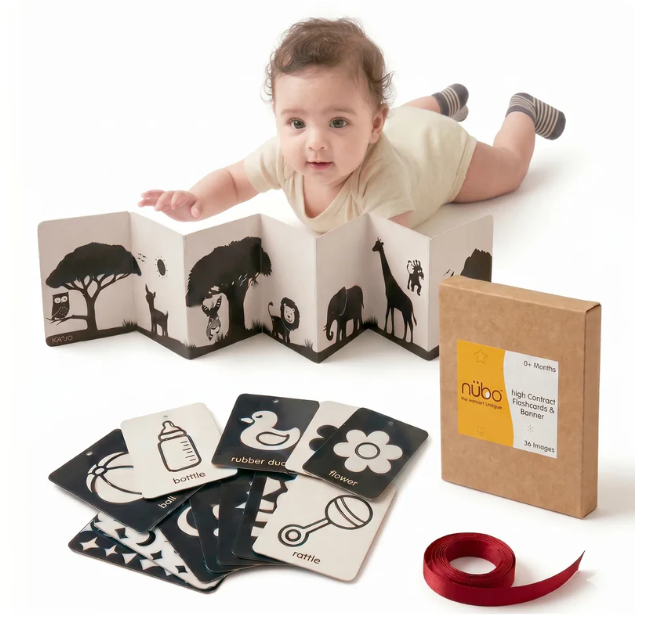
High Contrast Flashcards & Tummy Time Banner
BIS Certified | Newborn-friendly design | Montessori-inspired
₹299
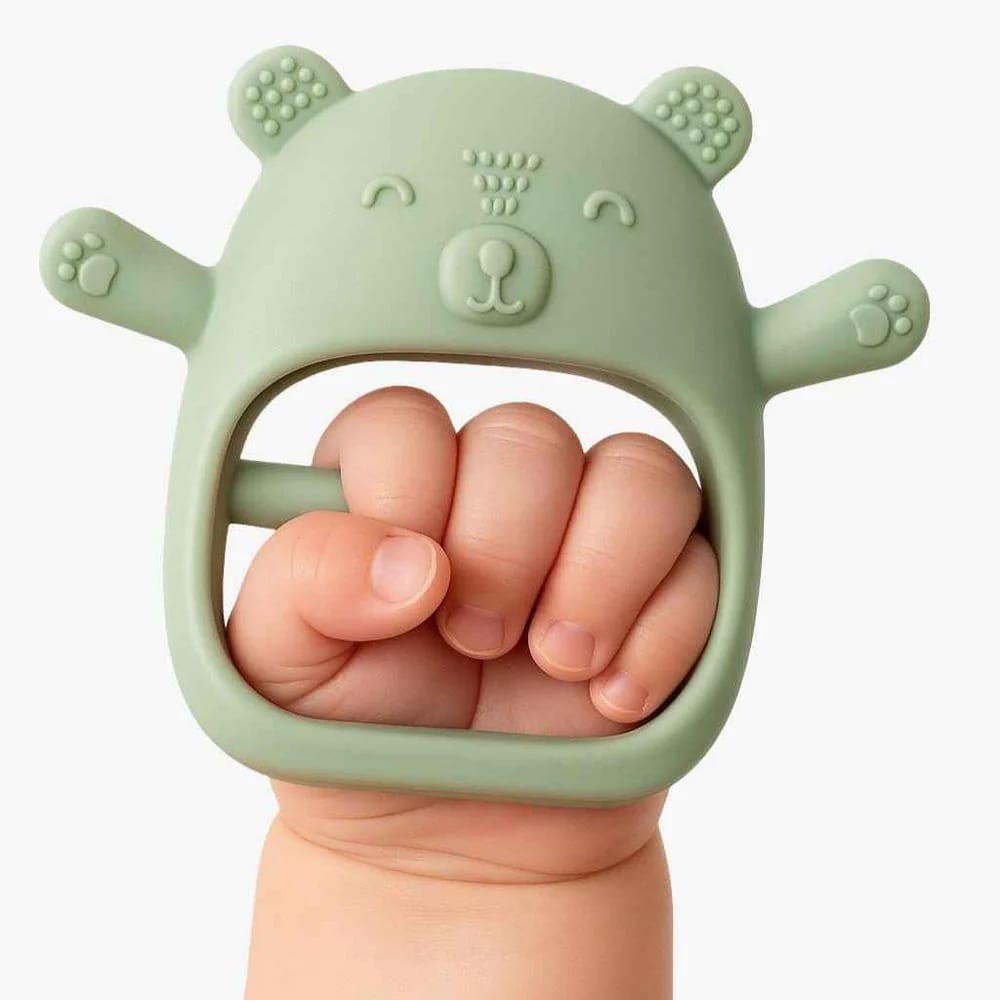

Orbi Ball Silicone Sensory Teether
Best silicone toy for newborns | Textured surfaces | BPA-free
₹599
Why Tummy Time for Newborns Actually Matters
Let's be honest: watching your baby fuss during tummy time feels wrong. But here's what's actually happening during those uncomfortable minutes: Your baby's neck, shoulder, and core muscles are waking up. These are the foundations for rolling, crawling, and eventually walking.
Tummy time also aids digestion (reducing gas and colic discomfort), improves head shape (preventing flat spots from constant back-sleeping), and gives baby's developing brain a new perspective on the world. Research consistently shows that babies who get regular tummy time hit physical milestones earlier and with more confidence.
The emotional part? It builds trust. When you stay present during tummy time — talking softly, offering visual engagement, or placing safe toys nearby — your baby learns that being uncomfortable is safe because you're there. That's real parenting magic.
When to Start Tummy Time with Newborns
You can start on day one. Even a newborn with an umbilical cord stump can do tummy time — just keep the area clean and dry, or place a towel under the cord area. Start with just 1–2 minutes daily. Your baby will let you know when they've had enough (usually with crying).
As your baby grows, gradually increase duration. By 3 months, aim for 10–15 minutes across the day (broken into short sessions). By 6 months, many babies can tolerate 20–30 minutes total. The key is consistency, not intensity — short daily sessions beat occasional long ones.
Never force tummy time right after feeding. Wait at least 30 minutes to avoid spit-up and discomfort.
What Makes Tummy Time Actually Work
| What Works Well | What Doesn't Help Much |
|---|---|
| A clean, padded surface (play mat, folded blanket) | Bare floor or uneven surfaces |
| High-contrast visuals or newborn toys to focus on | A blank ceiling or boring surroundings |
| You sitting close, talking or singing softly | Leaving baby alone to "figure it out" |
| Age-appropriate toys (safe silicone teethers, cloth books) | Toys with small parts or loud noise |
| Short, frequent sessions throughout the day | Waiting until baby is hungry or tired |
| A warm, comfortable room (not too hot) | Air-conditioned rooms where baby feels cold |
The pattern is clear: babies thrive during tummy time when there's visual engagement, emotional safety, and the right tools. This is where Nubokind's high-contrast flashcards and tummy time banner make a real difference — newborns are naturally drawn to stark black-and-white patterns, and having them positioned at eye level keeps babies engaged instead of frustrated.
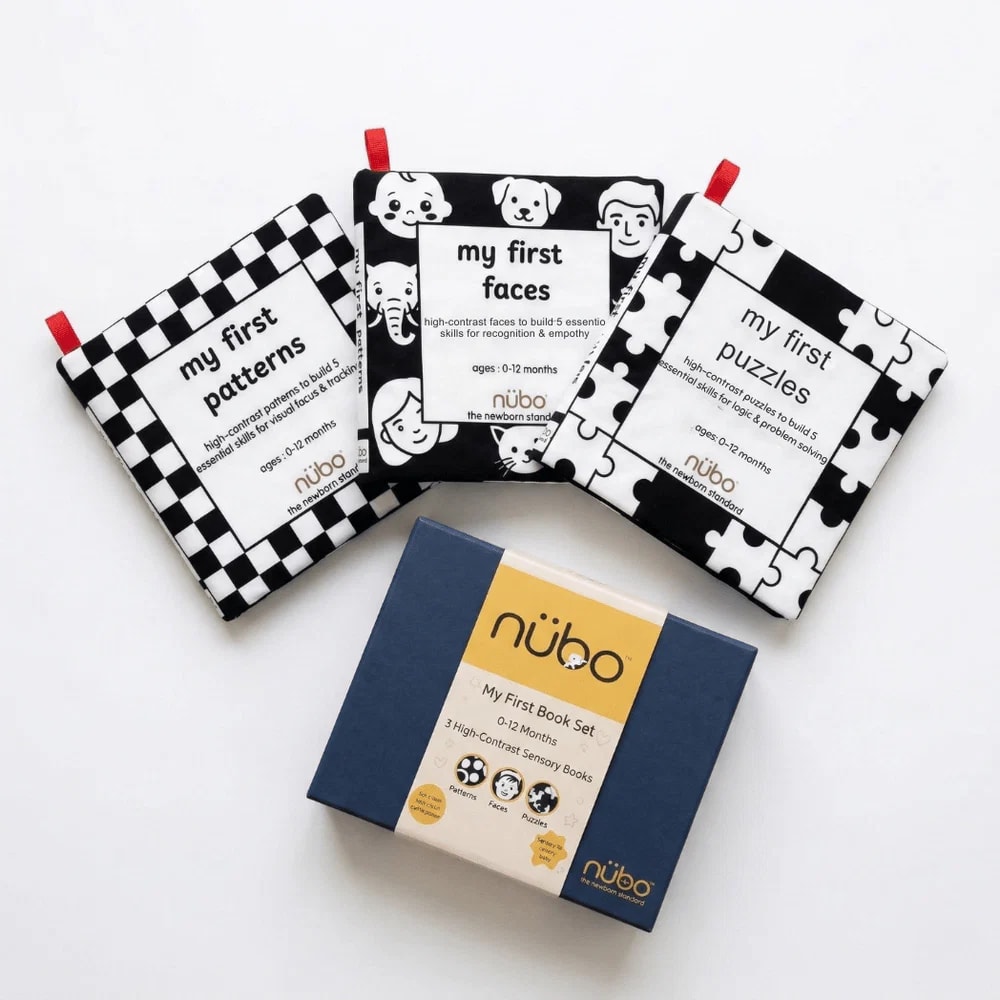
Similarly, safe silicone teethers and textured cloth books give little hands something to explore, which feels purposeful instead of pointless.
What Real Indian Parents Are Saying
Nirmala
best for tummy time
We use these cloth books during tummy time, and my baby stays happy and engaged for much longer.
Kajal Salekar
Perfect First Books
These are wonderful first books for newborns. Safe, lightweight, and beautifully made
6 Simple Ways to Make Tummy Time Easier
- Use a high-contrast visual anchor. Position bright, black-and-white patterns (or a tummy time banner) at your baby's eye level. Newborns' vision is still developing, and these stark contrasts trigger natural focus and curiosity.
- Stay close and talk. Narrate what's happening: "You're so strong right now." Your voice keeps your baby calm and reinforces that this is safe bonding time, not abandonment.
- Offer age-appropriate toys within reach. A safe silicone teether or crinkly cloth book gives your baby's hands a purpose and keeps them engaged instead of frustrated.
- Time it right. Aim for mid-morning or early afternoon when your baby is fed, rested, and alert — not hungry or overtired.
- Use a comfortable, safe surface. A play mat, folded clean blanket, or yoga mat on a rug is ideal. Avoid hard floors or overly soft surfaces like couches.
- Keep it short and frequent. Start with 2–3 minutes per session, multiple times a day. As tolerance builds, gradually extend. Consistency matters way more than duration.
Frequently Asked Questions
Q: Is tummy time safe for a newborn with an umbilical cord stump?
A: Yes, absolutely. Just keep the area dry and clean. Many parents place a small clean cloth or towel under the cord to avoid contact with the mat. Once the cord falls off (usually 1–3 weeks), there's nothing to worry about. If you're concerned about infection, ask your pediatrician at the next checkup.
Q: My baby hates tummy time and cries immediately. Should I push through?
A: Short resistance is normal — babies are adjusting to a new position. Start with 30 seconds to 1 minute and build from there. But if your baby is genuinely distressed (prolonged crying, arching), stop and try again later. The goal is to build positive association, not trauma. Add engaging visuals like high-contrast flashcards to create interest instead of dread.
Q: Can I do tummy time on my chest instead of the floor?
A: Yes! Chest-to-chest tummy time (while you're reclined or semi-upright) is wonderful for bonding and counts toward tummy time. The main benefit of floor tummy time is that it challenges your baby's muscles slightly more. Ideally, mix both throughout the day.
Q: What's the best newborn toy to keep during tummy time?
A: Look for safe silicone toys with interesting textures and no small parts. The Orbi Ball silicone sensory teether is designed exactly for this — textured, easy to grip, and BPA-free. Pair it with visual stimulation like a high-contrast cloth book, and you're covering both senses.
Q: How do I know if my baby is hitting tummy time milestones?
A: By 2–3 months, look for head lifting. By 3–4 months, your baby should push up slightly on forearms. By 5–6 months, some babies roll from belly to back. Every baby develops at their own pace, but consistent tummy time accelerates these skills. If you have concerns, your pediatrician can give personalized guidance.
Q: Why are high-contrast toys better for newborn tummy time?
A: Newborns' eyes are still developing and can't process complex colors well. But they're naturally drawn to stark black-and-white contrast because it creates clear visual boundaries. This keeps them engaged and focused, making tummy time feel less random and more intentional. Nubokind's collection uses this science to reduce frustration and build tummy time confidence.
Conclusion
Tummy time isn't torture — it's one of the simplest, most powerful tools you have to support your baby's development. Start small, stay present, and use the right visual and sensory tools to keep your baby engaged. Within weeks, you'll notice your baby becoming stronger, more interested in their surroundings, and genuinely enjoying those belly-down moments.
Thousands of Indian parents have built a confident tummy time routine using Nubokind's thoughtfully designed high-contrast flashcards, safe silicone teethers, and sensory cloth books. Each product is Montessori-inspired, BIS certified, and designed with your peace of mind in mind.
Explore Nubokind's complete collection of newborn toys and early development tools — and transform tummy time from a dreaded chore into a moment of connection and growth.


leave a comment
This site is protected by hCaptcha and the hCaptcha Privacy Policy and Terms of Service apply.