
The best baby shower gifts aren't always the cutest ones—they're the ones that actually develop a baby's brain and save parents from sleep deprivation. Learn what newborns really need, from sensory play to safe teething options, and how to give gifts that matter.
WHY GIFT-GIVING FOR BABIES IS DIFFERENT FROM WHAT YOU THINK
Let's be honest: most baby shower gifts end up in storage within three months. Adorable woven baskets, oversized stuffed animals, and duplicate onesies are sweet, but they don't help a baby develop motor skills, sensory awareness, or emotional calm. And they definitely don't help tired parents survive the fourth sleepless night.
The best baby shower gifts solve a real problem for parents while supporting your baby's early development. Research indicates that babies learn through play and sensory exploration from birth. Every touch, sound, and color matters during those crucial first months.
So when you're shopping for a baby shower, ask yourself: Will this gift help the baby's brain grow? Will it make the parent's life easier? If the answer is yes to both, you've found a winner.
THE DEVELOPMENTAL MILESTONES GIFTS CAN ACTUALLY SUPPORT
Babies don't need expensive toys. What they need are tools for sensory exploration, safe objects to explore with their mouths, and items that capture their developing visual attention. Let's break down what newborns and young infants are actually learning:
| Age Range | What Baby is Learning | Gift That Helps |
|---|---|---|
| 0–2 months | Focus, contrast recognition, cause-and-effect | High contrast books, black & white cards, visual stimulation tools |
| 2–4 months | Reaching, grasping, fine motor control | Teethers, silicone toys, sensory rings, safe chew toys |
| 4–6 months | Object permanence, texture exploration, sitting strength | Cloth books, varied-texture toys, activity mats with removable toys |
| 6+ months | Sitting, rolling, pincer grip, language exposure | Teething toys for sore gums, board books, sensory kits with crinkle & rattle elements |
The beauty of development-focused gifts is that they're timeless across age groups. A high-contrast book works for a newborn and a four-month-old. A safe silicone teether becomes a trusted companion for months.
CATEGORIES OF GIFTS THAT ACTUALLY GET USED
Not all "development gifts" are created equal. Here are the categories that parents consistently reach for—and why:
High-Contrast Visual Tools
Newborns can't see colors in the first month. They see black and white contrasts—and they're fascinated by them. High-contrast books and flashcards help train their developing eyes and hold their attention during tummy time. Many experts suggest these are among the most affordable, most-used items in a nursery. Parents use them during feeds, before bed, and during developmental play. High-contrast cloth books are especially practical because they're machine-washable and virtually indestructible.
Safe Teethers & Silicone Toys
Teething begins earlier than most parents expect—often around 3 to 4 months, though teeth don't erupt for several more months. Babies explore the world through their mouths, and a safe, BIS-certified teether becomes a parent's lifeline. Silicone toys are soft, chewy, and free from harmful chemicals. They're also something parents will actually remember to grab when heading out. Ring teethers in particular are beloved because babies can easily hold them, and parents can clip them to strollers.
Sensory Play Kits
A curated sensory kit gives parents the confidence to engage their baby intentionally. These typically include varied textures—crinkle elements, soft fabrics, different materials to explore—all in one place. Instead of hunting for three different products, a parent opens one gift that contains everything they need for tummy time play. Sensory exploration supports fine motor development, visual tracking, and even language growth as parents narrate the experience.
Cloth Books & Early Literacy Tools
Soft, chewable board books and cloth books let babies interact with stories from day one. They're not just for reading—they're for touching, turning pages (however messily), and developing spatial awareness. Cloth books especially are beloved because they're washable, durable, and can go anywhere. They also signal to a baby that books are safe, friendly objects—a powerful gift for future literacy.
RED FLAGS: GIFTS THAT SOUND GOOD BUT AREN'T
Not every product marketed for babies is actually useful. Here's what to avoid:
- Toys with loose parts or small pieces — These are choking hazards and usually get put away immediately. Stick with large, one-piece toys.
- Items with complex electronics — Batteries die, babies lose interest, and they often end up making noise that drives parents insane at 6 AM. Simple is better.
- Anything with toxic paints or unverified materials — If it doesn't say BIS certified or come from a trusted source, it's not worth the risk. Your gift could harm the baby and stress the parents.
- Duplicate essentials — Check with the parents before buying their third bottle sterilizer. They probably don't need it.
- Clothing in newborn sizes — Babies grow fast. Stick to 0-3 months and 3-6 months sizes, or skip clothes entirely unless you know what the parents need.
- Items that require assembly or app downloads — New parents are exhausted. Complexity is not a gift.
THE PERFECT GIFT CHECKLIST FOR SHOWER SHOPPING
Before you buy, run your gift idea through this quick filter:
Quick Tips for Parents
- Is it BIS certified or from a trusted brand? Safety comes first—always verify materials and certifications.
- Can a parent use it one-handed while holding a baby? If not, it's probably too complicated.
- Will the baby use it from day one through at least 6 months? The longer the lifespan, the better the gift.
- Is it something the parent would actually buy themselves? Not "cute to display," but genuinely useful.
- Can it be easily cleaned? Babies put everything in their mouths. Washable is essential.
- Does it support development without overstimulation? Gentle, simple sensory input beats flashing lights and loud noises.
GIFT IDEAS ORGANIZED BY PRICE POINT
Good gifts exist at every budget. Here's how to choose based on what you want to spend:
| Budget | Best Gift Options | Why It Works |
|---|---|---|
| ₹300–600 | Single high-contrast book, basic teether, sensory cards | Affordable, useful, and often appreciated more than expensive toys. Teethers especially are high-use items. |
| ₹600–1,000 | Teether sets, cloth book collections, sensory kits | This sweet spot offers curated variety. Parents get multiple tools without overspending, and quality improves noticeably. |
| ₹1,000+ | Premium sensory bundles, complete newborn kits, developmental play mats | At this price, you're gifting confidence and peace of mind. A complete kit saves parents from decision fatigue. |
Remember: Expensive doesn't equal better. A ₹599 teether that gets used 10 times a day for six months is a better gift than a ₹5,000 toy that sits in a corner.
RECOMMENDED PRODUCTS FOR NEW PARENTS
If you're looking for gifts that tick all the boxes—safe, useful, developmentally sound, and actually something parents will cherish—here are some solid options:
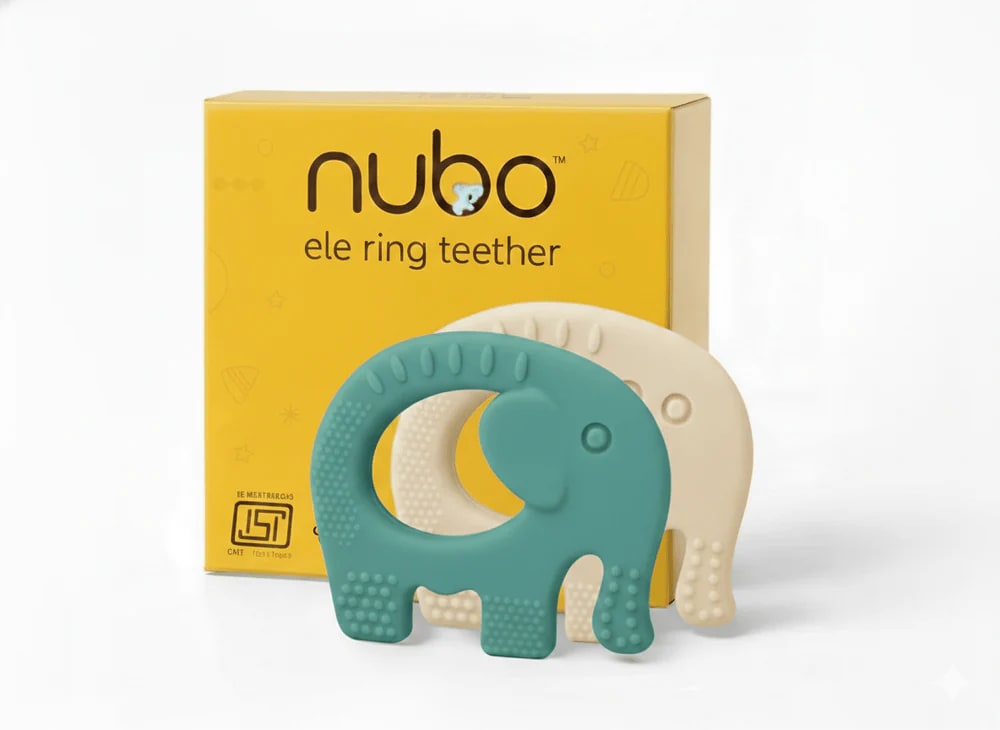
ELE Ring Teether Set
BIS Certified | Food-grade silicone | 2 teethers included | Ages 3+ months
₹599
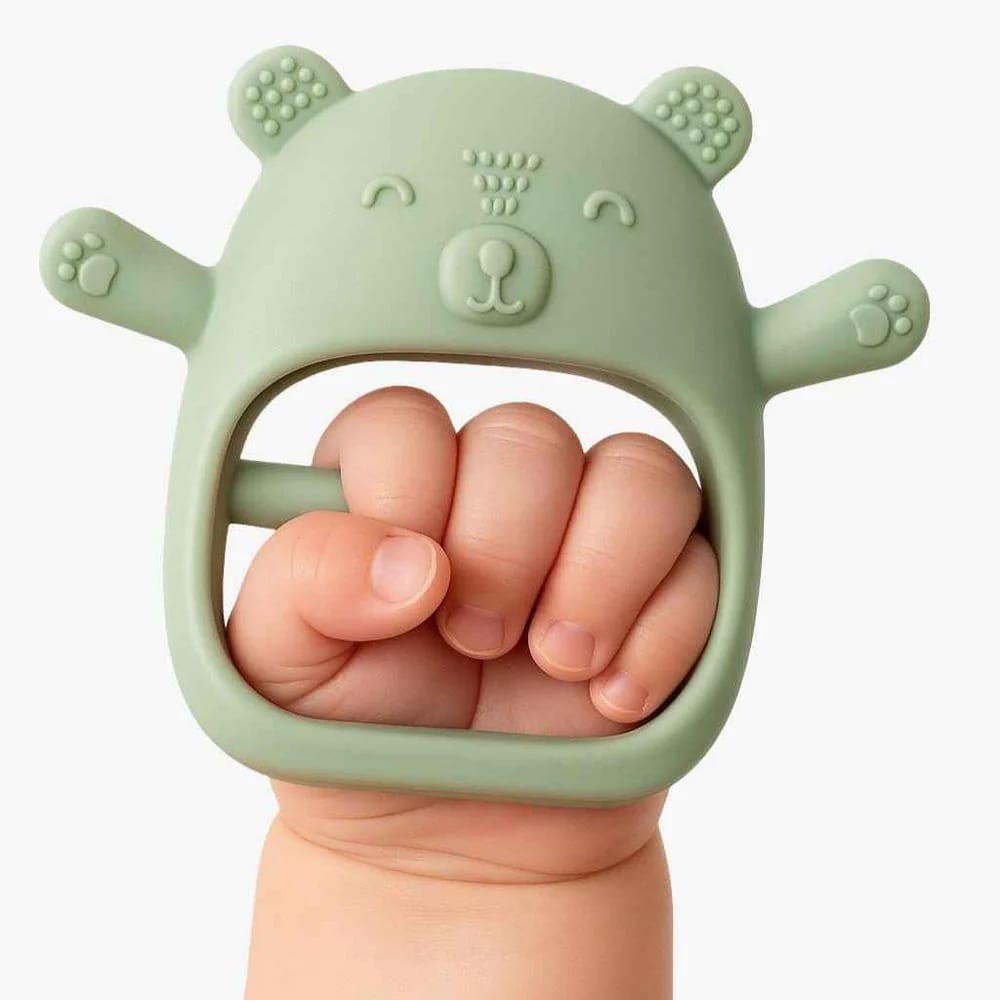
Kiko No-Drop Newborn Teether
BIS Certified | Attached handle | Food-grade silicone | Newborn-friendly grip
₹449
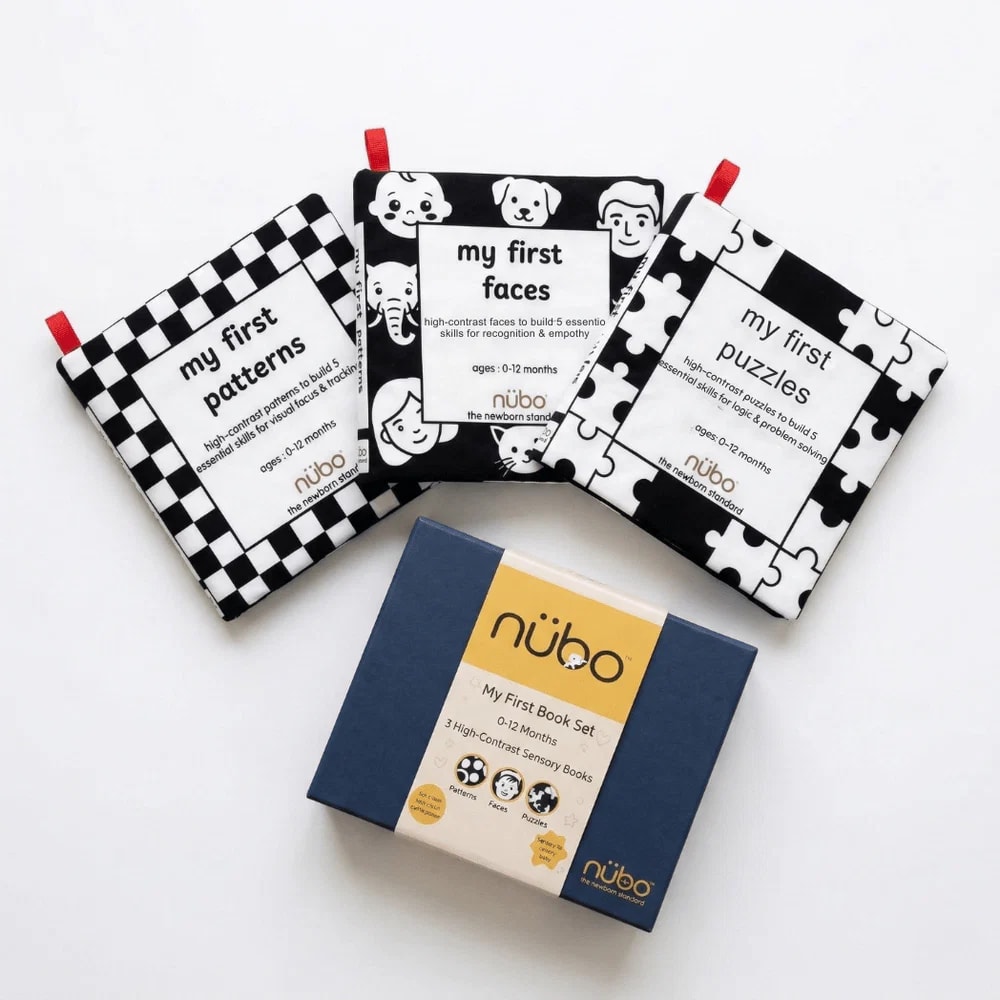
High Contrast Cloth Book Set
Machine washable | Black & white designs | Montessori-inspired | Newborn through 6+ months
₹549
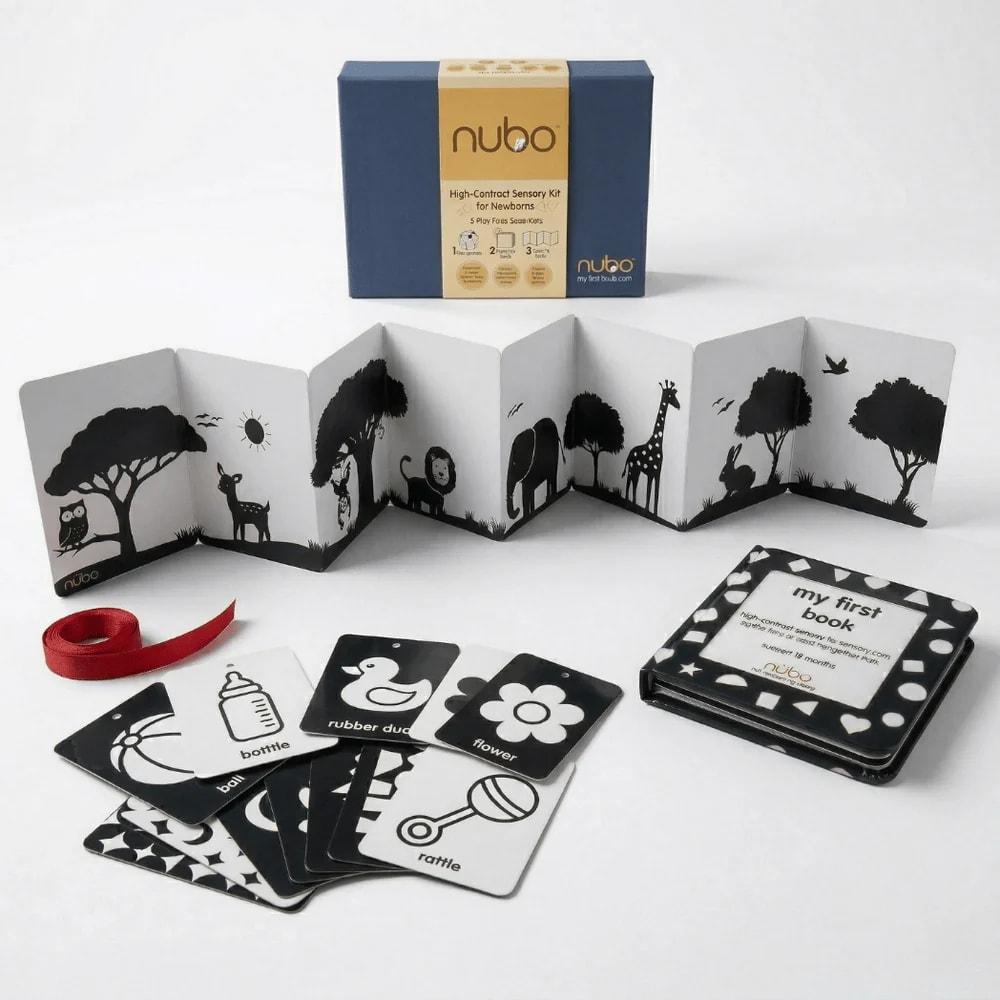
High Contrast Newborn Essential Kit
Complete bundle | Teether + books + cards | BIS Certified | Ages 0–6 months
₹449
Why these stand out: All items are BIS certified, designed with Montessori principles in mind, and built to last through multiple developmental stages. They're not trendy—they're timeless because they actually work.
HOW TO PERSONALIZE YOUR GIFT
The most memorable gifts are personalized to the parents and baby, not just your own preferences. Here's how:
Ask the Right Questions
Before you buy, reach out to the parents (or the event coordinator) and ask: "Are there any products you're already planning to buy? What's your parenting style—minimalist or full of options?" This simple conversation saves money and ensures your gift actually gets used.
Consider the Parent's Lifestyle
Are they super organized? They'll love curated sensory kits. Are they minimalist? A single, high-quality teether might be perfect. Are they outdoorsy? A lightweight, portable teether that clips to a stroller is gold.
Give with a Handwritten Note
Include a brief note explaining why you chose this gift and how it supports development. "This teether is designed for growing babies' oral exploration and is safe from day one" is way more meaningful than just handing over a box. It gives parents confidence in their gift and shows you put thought into your choice.
FREQUENTLY ASKED QUESTIONS
What are the best newborn toys for sensory development?
The best newborn toys are high-contrast visual tools, soft teethers, and sensory items with varied textures. Newborns respond to black-and-white contrasts, safe chewing objects (from around 3 months), and items they can safely mouth and hold. Avoid toys with small parts, loud electronics, or unverified materials. Look for BIS-certified silicone toys and cloth books that can be easily cleaned.
Are silicone toys safe for babies?
Yes, BIS-certified food-grade silicone toys are safe for babies from birth. Silicone is soft, non-toxic, and free from BPA and phthalates. Always ensure the toy is from a trusted brand, certified by a recognized body, and has no small detachable parts. Avoid counterfeit or unverified silicone products. Reputable brands like Nubokind clearly display certifications on their products.
When should I gift teething toys?
Start gifting teethers from 2 to 3 months old, even before teeth erupt. Babies begin exploring their mouths and chewing objects around this age, and having safe teethers available is helpful. Teethers are used for months—from pre-teething exploration through active teething (which often begins around 5 to 6 months). So even if teeth haven't arrived yet, your gift will be used immediately and for a long time.
How do I know if a baby gift supports real development?
Ask yourself: Does this toy help the baby practice a specific skill—grasping, looking, tracking movement, texture exploration, or oral motor control? If yes, it supports development. Research indicates that toys designed with Montessori principles or based on developmental psychology are more effective than toys designed purely for entertainment. Also check if the brand explains the developmental benefit—if they can't justify why it matters, it probably doesn't.
What's the difference between toys for 3-month-olds and younger babies?
Toys for 3-month-olds can be more complex in texture, slightly smaller for grasping, and safe for intense mouthing. At 3 months, babies have better hand control and are more interested in texture variation. Younger babies (0-2 months) need primarily visual stimulation and safe objects to mouth. Many toys work across both ranges, but items specifically designed for 3+ months often include varied textures and grip-friendly designs that support their developing fine motor skills.
Is a baby shower gift better as a single item or a bundle?
Bundles are often better because they reduce decision fatigue for parents and offer variety in one gift. A sensory kit or newborn essentials bundle is more valuable than a single toy because it gives parents multiple tools for different times of day. However, some parents prefer single, high-quality items they can choose themselves. When in doubt, ask the parents which they'd prefer, or go with a curated bundle from a trusted brand.
CONCLUSION
The best baby shower gifts are the ones that disappear into daily life because they're so useful. They don't sit on shelves waiting to be photographed—they get grabbed, used, loved, and relied upon by exhausted parents and curious babies.
When you're choosing your gift, remember: skip the cute but useless items, verify that everything is safe and certified, and choose things that actually support a baby's brain development. High-contrast books that train visual focus, safe silicone teethers that soothe sore gums and support oral exploration, sensory kits that give parents confidence to play—these are the gifts that matter.
You don't need to spend a fortune. A thoughtful ₹600 teether is infinitely more valuable than a ₹5,000 toy that gets ignored. What matters is that you've chosen something with intention—something that shows you understand what new parents and babies actually need.
Ready to shop? Explore Nubokind's collection of development-focused gifts—every item is designed with early childhood development and parent ease in mind.


leave a comment
This site is protected by hCaptcha and the hCaptcha Privacy Policy and Terms of Service apply.