
Teething Milestones: What to Expect Between 3 to 12 Months
A Parent-Friendly Guide to Baby Teething Stages in India
Teething doesn’t start with a tooth. It starts with symptoms.
Many parents expect to see a tooth before doing anything — but teething development begins weeks earlier. Understanding the baby teething timeline helps you choose the right infant teether at the right stage.
Here’s what to expect between 3 and 12 months.
3–4 Months: The Mouthing Stage Begins
This is when most parents search:
“When to use teether for baby?”
At this stage:
-
Babies drool more
-
Chew on fingers
-
Become slightly fussier
-
Start bringing objects to mouth
Teeth may not be visible yet — but gum pressure has begun.
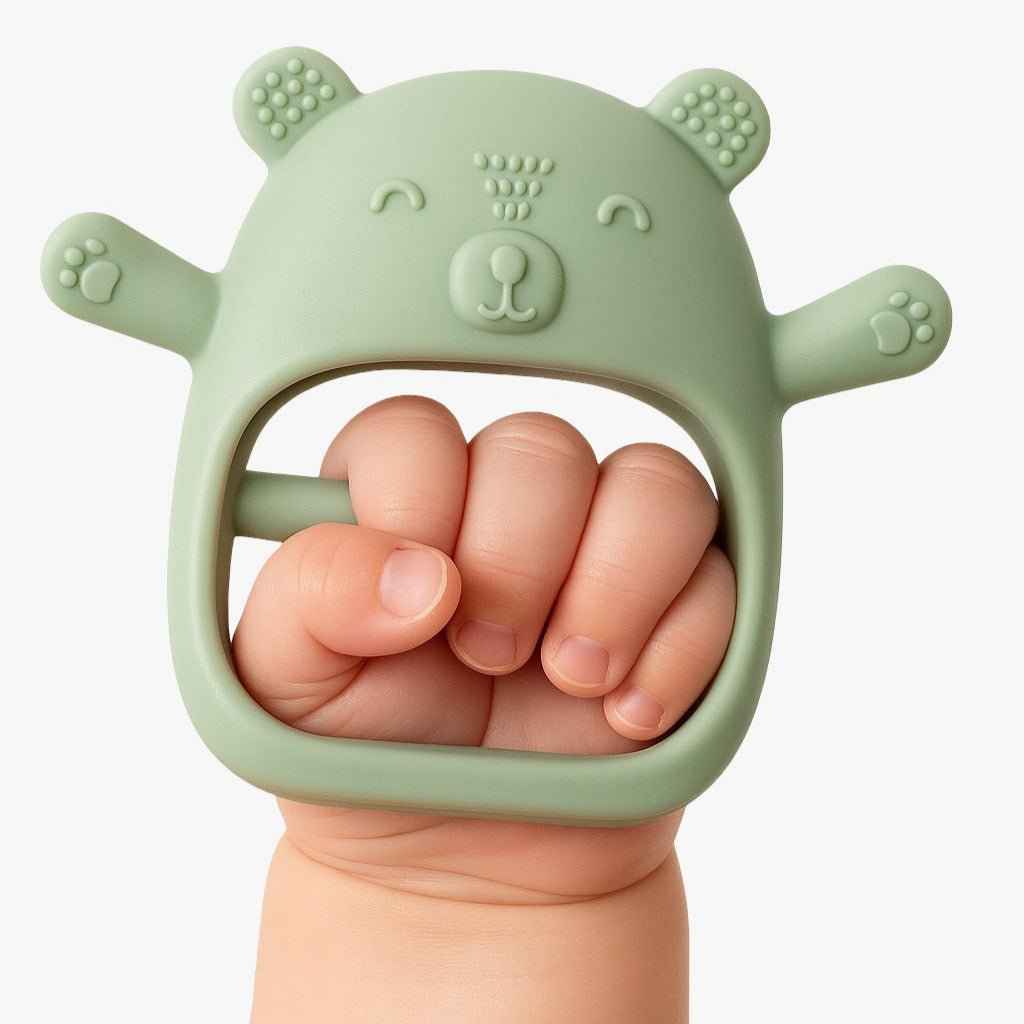
✔ Best support: A lightweight newborn teether made from food grade silicone
✔ Avoid heavy plastic baby chew toys
Early-stage teethers should be soft, easy to grip, and hygienic.
5–7 Months: First Tooth Erupts
This is when the lower central incisors typically appear.
Symptoms may include:
-
Swollen gums
-
Irritability
-
Increased chewing
-
Sleep disturbances
At this stage, babies chew with more pressure. A silicone teether safe for baby becomes important.
Look for:
-
100% food grade silicone
-
BPA free baby products
-
Seamless one-piece design
-
BIS certified teether India compliance (IS 9873 standard)
Safety becomes even more critical as chewing intensity increases.
8–10 Months: Upper Teeth & Stronger Grip
Now babies:
-
Have improved hand control
-
Grip objects intentionally
-
Chew more aggressively
-
Explore texture differences
This is when textured teething rings for babies help massage gums effectively.
Choose:
✔ Multi-texture surfaces
✔ Lightweight ring design
✔ Easy-to-clean silicone
Avoid teethers with detachable decorative elements — choking risks increase during this stage.
10–12 Months: Advanced Chewing Phase
Molars may begin preparing to erupt (even if not visible yet).
Babies:
-
Bite harder
-
Test durability
-
Throw objects intentionally
Now the best teether for baby India should focus on durability + safety.
Material matters most here. Poor-quality teethers may:
-
Tear
-
Break
-
Allow chemical migration
-
Contain heavy metals
Always verify BIS certification before buying a baby teether online.
Why Silicone Is Recommended Across All Stages
Silicone teether benefits include:
-
Non-porous surface (more hygienic)
-
Easy sterilization
-
Flexible yet durable
-
No splintering (unlike wood)
-
No cracking (unlike plastic)
A certified silicone baby teether supports every stage from 3–12 months safely.
How Nubokind Supports Every Teething Milestone
At nubokind , teethers are designed to grow with your baby:
-
BIS certified under IS 9873
-
Made from pure food grade silicone
-
Seamless anti-choke design
-
Lightweight for early grip stages
-
Textured for advanced chewing
From early mouthing to stronger biting, the design focuses on safety + developmental support.
Quick Teething Timeline Summary
| Age | What Happens | What Helps |
|---|---|---|
| 3–4 months | Drooling, mouthing | Soft lightweight newborn teether |
| 5–7 months | First teeth erupt | Textured silicone teether |
| 8–10 months | Stronger grip | Multi-texture ring design |
| 10–12 months | Intense chewing | Durable BIS certified teether |
FAQs
When do babies start teething?
Most babies show signs around 3–4 months, even if teeth appear later.
Is teether good for babies?
Yes, if it is age-appropriate and made from safe materials like food grade silicone.
What is the safest teether material?
100% food grade silicone that complies with IS 9873 BIS standard.
How long does teething last?
Teething continues in phases from 3 months to around 2–3 years.
Final Thought
Teething is a journey — not a single event.
Choosing the right safe baby teether at each milestone makes those months smoother, cleaner, and more comfortable for both baby and parent


leave a comment
This site is protected by hCaptcha and the hCaptcha Privacy Policy and Terms of Service apply.