
Worried about microplastics in baby bottles? You're not alone. But here's the good news: research shows the way you prepare and handle bottles matters more than the container itself. Discover 4 pediatrician-approved steps to dramatically reduce your baby's exposure—without overhauling your entire routine.
Understanding Microplastics: The Science (Without the Panic)
If you've seen headlines about microplastics in baby bottles, you might be wondering whether you should panic. The short answer? No. But informed action? Absolutely.
Microplastics are tiny fragments that shed from plastic materials, especially polypropylene (the plastic used in most baby bottles and feeding gear). When bottles are heated, scratched, or used repeatedly, they can release these particles into milk or formula. Research indicates that babies fed from plastic bottles may ingest thousands of microplastic particles annually.
The good news: many experts suggest that the way you prepare, sterilize, and handle bottles has a bigger impact on microplastic shedding than the bottle material alone. This means you have real control over reducing your baby's exposure—starting today.
Swap 1: Use Cooler Water for Sterilization (Not Boiling)
Many parents default to boiling water to sterilize bottles, but extreme heat actually accelerates microplastic shedding from polypropylene bottles. Boiling can trigger the plastic to break down faster, releasing more particles into your baby's feeding vessel.
Instead, try a smart sterilization rinse with lukewarm water (around 70°C or warm to touch, not hot). This temperature is still effective at reducing bacteria without stressing the plastic. Alternatively, many pediatricians suggest using a steam sterilizer on a lower heat setting, which reaches safe temperatures without the extreme heat of boiling.
Pro tip: If you do use boiling water, allow bottles to cool completely before use, and rinse them with cool water afterward. This helps minimize residual microplastic particles.
Swap 2: Skip the Microwave for Heating Formula (Use a Bottle Warmer)
Microwaving bottles is quick, but it's also one of the fastest ways to degrade plastic. Microwave heating creates uneven, intense heat that can cause polypropylene to break down and shed more microplastics.
A dedicated bottle warmer (or even warm water in a bowl—old-school works!) heats more gently and evenly. Many research-driven parents also prefer this method because you can monitor the temperature more carefully, ensuring the formula reaches the right warmth without overheating.
Budget-friendly alternative: Warm formula by placing the bottle in a container of warm (not hot) water for a few minutes. This achieves the same result without special equipment and with far less plastic stress.
Swap 3: Replace Scratched or Discolored Bottles Regularly
Over time, baby bottles develop tiny scratches from daily washing and use. These micro-scratches are hotspots for microplastic shedding. When the protective surface is damaged, the plastic underneath breaks down more easily.
Experts suggest replacing bottles every 6 to 12 months, or sooner if you notice visible wear, cloudiness, or discoloration. This is especially important for bottles used daily. If a bottle looks scratched or feels rough, it's time to retire it—even if it's not visibly cracked.
Washing tip: Hand-wash bottles with a soft sponge instead of the dishwasher when possible. Dishwasher cycles can cause more scratching and damage to the plastic surface over time.
Swap 4: Consider Glass or Stainless Steel for Daily Use
While polypropylene bottles are convenient and affordable, many parents find that rotating in glass or stainless steel bottles reduces microplastic exposure significantly. These materials don't shed microplastics and last far longer than plastic.
If a full switch feels overwhelming or costly, consider a hybrid approach: use glass or steel bottles for home feeding, and save plastic bottles for outings or backup. Even a 50/50 rotation can meaningfully reduce your baby's overall exposure.
Bonus: Glass and steel bottles hold their clarity and durability longer, so they're actually more economical over time. Many parents report they spend less replacing them compared to frequent plastic bottle updates.
Beyond Bottles: Supporting Sensory Development Early
While minimizing microplastics in bottles is important, equally important is supporting your newborn's overall sensory development from day one. Babies learn through touch, sight, and exploration—and the right toys matter.
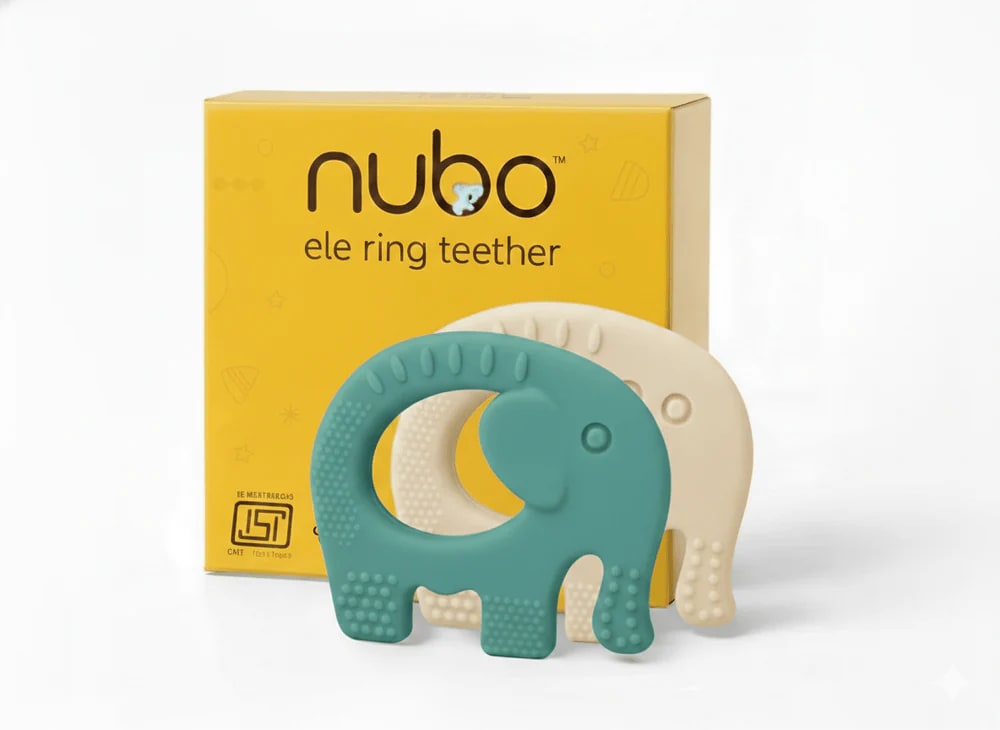
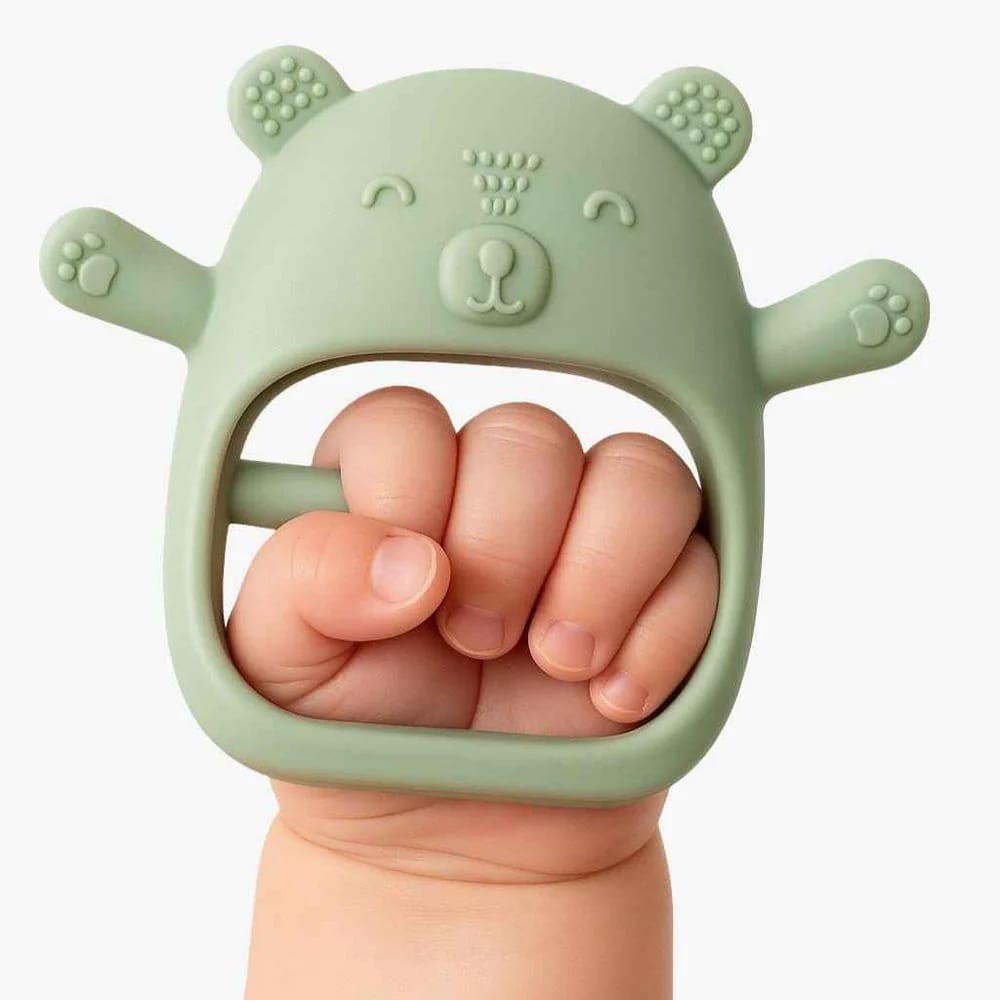
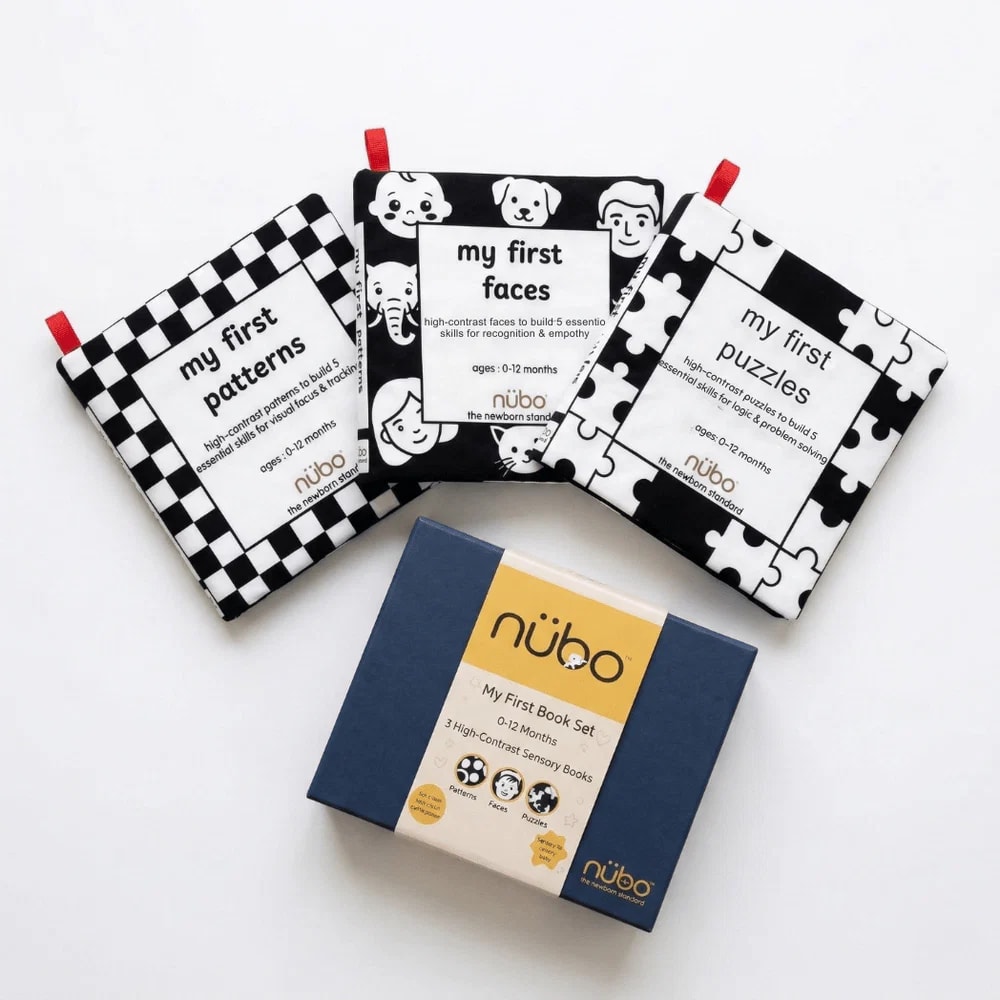
High-contrast visuals and safe, textured objects help newborns build neural connections. Research-backed Montessori-inspired toys—like teethers designed for tiny hands and cloth books with bold patterns—support this critical early learning while keeping safety and toxin exposure top of mind.
As your baby grows into the 3-month stage and beyond, rotating safe silicone toys and best toys for newborns ensures they're getting sensory input without unnecessary plastic risks. Quality matters here, too.
Quick Tips for Parents
- Avoid boiling: Use lukewarm water (around 70°C) for sterilization instead of boiling to reduce microplastic shedding.
- Skip the microwave: Switch to a gentle bottle warmer or warm water bath for formula heating.
- Replace regularly: Swap out scratched or discolored bottles every 6–12 months—scratches are microplastic hotspots.
- Hand-wash gently: Use a soft sponge instead of the dishwasher to minimize scratching and plastic degradation.
- Go hybrid: Mix plastic bottles with glass or stainless steel options for daily home feeding—even a 50/50 rotation helps.
- Store carefully: Keep bottles away from direct sunlight and heat, which can also accelerate plastic breakdown.
The Microplastics Conversation: What Research Really Says
Let's be clear: the science on microplastics is still evolving. While researchers have documented that polypropylene bottles do shed particles, long-term health impacts are still being studied. This isn't cause for panic—it's cause for thoughtful, informed choices.
Many pediatricians and infant health experts recommend the preventive steps outlined here not because bottles are "dangerous," but because they're simple, cost-effective ways to reduce unnecessary exposure. Think of it like other parenting choices you already make: you don't avoid cars, but you use car seats. You don't avoid water, but you filter it.
The goal isn't perfection or fear—it's informed action with the information we have today. These four swaps give you real control without requiring you to completely overhaul your feeding routine or budget.
A Comparison Table: Bottle Materials at a Glance
| Material | Microplastic Risk | Durability | Cost | Best For |
|---|---|---|---|---|
| Polypropylene Plastic | Moderate to high (heat & scratching accelerate shedding) | 6–12 months with regular use | Low | Travel, backup bottles |
| Glass | None | Years (if not dropped) | Medium | Daily home feeding |
| Stainless Steel | None | Years (extremely durable) | Medium to high | On-the-go, long-term use |
| Silicone (bottles & teethers) | None (food-grade) | Varies; inspect for wear | Medium | Sensory play, teething |
Frequently Asked Questions
Q: Are microplastics in baby bottles an immediate health threat?
A: Research indicates that while microplastics are present in bottles and can be ingested, the immediate health impact is still being studied. Many experts suggest using the four simple swaps mentioned here as preventive measures—not because bottles are dangerous, but because these steps reduce exposure with minimal effort or cost. If you have specific health concerns, chat with your pediatrician.
Q: Do I need to throw away all my plastic bottles right now?
A: No. If your bottles are in good condition (no visible scratches or cloudiness), they're safe to use. However, replace them sooner if you notice wear and tear. A hybrid approach—mixing plastic bottles with glass or steel—is a practical way to reduce exposure over time without financial stress.
Q: What temperature is safe for sterilizing bottles without shedding microplastics?
A: Many experts suggest using water around 70°C (warm to the touch, not hot) or a steam sterilizer on a lower heat setting. Avoid boiling (100°C), which accelerates plastic breakdown. After sterilization, rinse bottles with cool water to minimize residual particles.
Q: Are glass or stainless steel bottles safer than plastic for reducing microplastic exposure?
A: Yes, glass and stainless steel don't shed microplastics at all, making them excellent long-term options. Many parents use a combination: glass or steel for daily home feeding, and plastic only for travel or backup. Even a 50/50 rotation meaningfully reduces overall exposure.
Q: How often should I replace baby bottles?
A: Every 6 to 12 months with regular daily use is recommended. Replace sooner if you notice cloudiness, visible scratches, discoloration, or if the plastic feels rough. These signs indicate the protective surface is degrading and shedding risk is higher.
Q: Can I use silicone teethers or toys alongside these bottle swaps to support early sensory development?
A: Absolutely. Food-grade silicone toys (like silicone teethers and high-contrast cloth books) support sensory play from newborn onwards without microplastic risk. They're a safe, developmentally sound choice that pairs well with thoughtful bottle management.
Conclusion
Microplastics in baby bottles are real, but they're also manageable. You don't need to feel guilty about the bottles you've already been using, and you don't need to make expensive, stressful changes overnight. The four swaps outlined here—using cooler water for sterilization, ditching the microwave for a bottle warmer, replacing worn bottles regularly, and considering a hybrid approach with glass or steel—give you immediate, practical ways to reduce exposure.
Pair these steps with safe, sensory-rich products like food-grade silicone teethers and high-contrast books that support your baby's development, and you're building a feeding and play routine that's both thoughtful and realistic.
Remember: informed parents are confident parents. You're already caring deeply about your baby's wellbeing by reading this. These simple shifts prove you're doing the work—and that's what matters most. Start with one swap this week, and build from there.


leave a comment
This site is protected by hCaptcha and the hCaptcha Privacy Policy and Terms of Service apply.