
Quick Answer
Tummy time builds strength and coordination. Use high-contrast toys, soft cloth books, and sensory items for babies 0–6 months. Start with 1–2 minutes daily and increase gradually as your baby grows stronger.
Why Tummy Time Matters for Newborns
Tummy time is one of the most important developmental practices during your baby's first six months. When your newborn is placed on their belly, they're building the neck, shoulder, and back muscles that are essential for rolling, sitting, and eventually crawling.
Many experts suggest that babies who get consistent tummy time reach developmental milestones earlier and with greater confidence. It also helps prevent flat spots on the back of the head and improves your baby's overall body awareness. For first-time parents, tummy time might feel uncomfortable at first—your baby might fuss or cry—but it's a normal part of growing strong.
The key is starting early and keeping sessions short. Research indicates that just a few minutes each day makes a real difference. And the right toys? They transform tummy time from something your baby tolerates into something they actually enjoy.
High-Contrast Toys: Why They Captivate Newborns
Newborns see the world very differently than we do. For the first few weeks and months, their eyes are still developing, and they respond most strongly to bold black-and-white patterns and high-contrast images. This isn't a coincidence—it's how their visual system learns.
When you place high-contrast toys or flashcards in front of your baby during tummy time, you're giving their eyes something to focus on and track. This builds visual development, concentration, and eye coordination. Babies naturally track movement and patterns, which strengthens the neural pathways in their brain related to sight.
As your baby grows from 3 to 6 months, their color vision develops further. You can gradually introduce softer colors and more complex patterns. But in those early months, high-contrast black-and-white images are your secret weapon to keeping your baby engaged and stimulated during tummy time.
Best Tummy Time Toys for 0–3 Months
During the first three months, your baby is still developing neck strength and may not be able to lift their head much at all. Choose toys that work at your baby's eye level and don't require them to do too much work to stay engaged.
High-contrast flashcards and cloth books are perfect for this stage. They're lightweight, easy for parents to position, and visually stimulating without overwhelming your newborn. Soft teethers (even though your baby isn't teething yet) are also wonderful because they're safe for your baby to mouth and explore once they start reaching.
Look for toys that are soft to the touch, easy to clean, and BIS certified for safety. Keep your newborn's tummy time space calm and distraction-free—just one or two toys at a time is plenty.
| Age Range | Best Toy Types | Duration | Frequency |
|---|---|---|---|
| 0–2 months | High-contrast cards, cloth books | 1–2 minutes | 1–2 times daily |
| 2–3 months | High-contrast cards, soft teethers, cloth books | 3–5 minutes | 2–3 times daily |
| 3–4 months | Sensory balls, teethers, cloth books with textures | 5–10 minutes | 3–4 times daily |
| 4–6 months | Sensory toys, textured balls, interactive cloth books | 10–15 minutes | 3–4 times daily |
Best Tummy Time Toys for 3–6 Months
As your baby grows stronger, they'll be able to lift their head, turn it side to side, and even start to push up on their arms. This is the perfect time to introduce toys that reward these new movements and encourage further development.
Sensory teethers, textured cloth books, and interactive toys become increasingly engaging now. Your baby might start to reach for things they see, so toys with different textures and sounds keep them motivated during tummy time. Soft, squishy balls with varied textures help build hand-eye coordination and provide satisfying sensory feedback.
This stage is also when many parents see their babies' curiosity really blossom. Your little one wants to explore, mouth, and feel everything. Make sure all tummy time toys are free from small parts, non-toxic, and easy to sanitize because these toys will spend a lot of time in your baby's mouth.
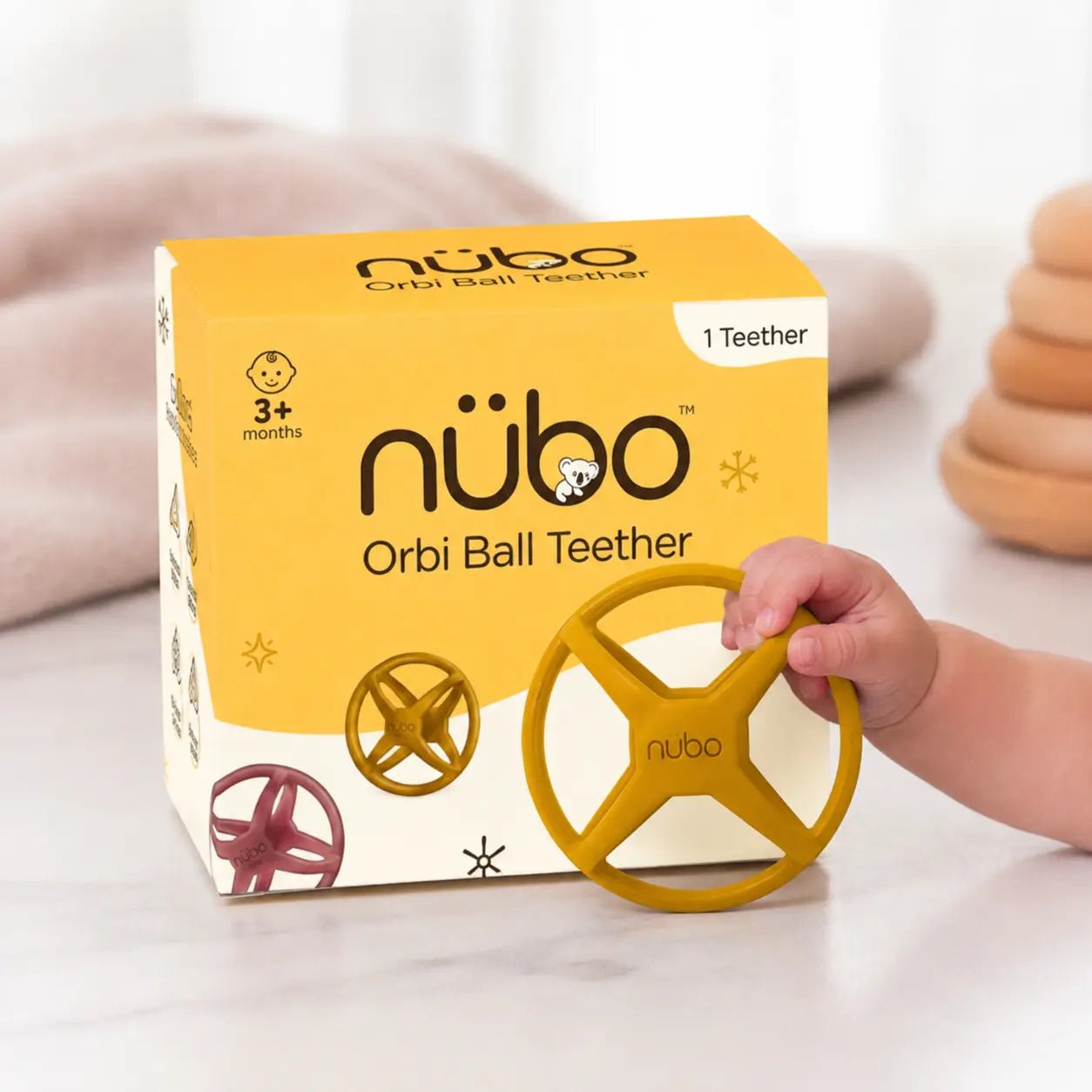
The Orbi Ball Silicone Sensory Teether is designed with varied textures that babies love to explore. Its squishy silicone design is gentle on developing gums and provides the sensory stimulation babies crave during this developmental stage.
Montessori-Inspired Tummy Time Activities
Montessori principles focus on following the child's natural curiosity and providing materials that support independent learning. When it comes to tummy time toys, this means choosing items that invite exploration rather than toys that do all the work for your baby.
Instead of flashy, battery-operated toys, Montessori-inspired tummy time uses natural textures, clear cause-and-effect relationships, and open-ended play. High-contrast flashcards are a perfect example—your baby looks, focuses, and learns to track movement. Soft cloth books encourage your baby to reach, grab, and explore pages at their own pace. Sensory teethers invite mouthing and tactile exploration.
This approach builds confidence and independence because your baby is making choices about what to explore, rather than being entertained passively. During tummy time, let your baby lead—if they're interested in a cloth book, stay with it. If they're done, that's okay too. The goal isn't to force activity; it's to create an environment where your baby's natural curiosity thrives.
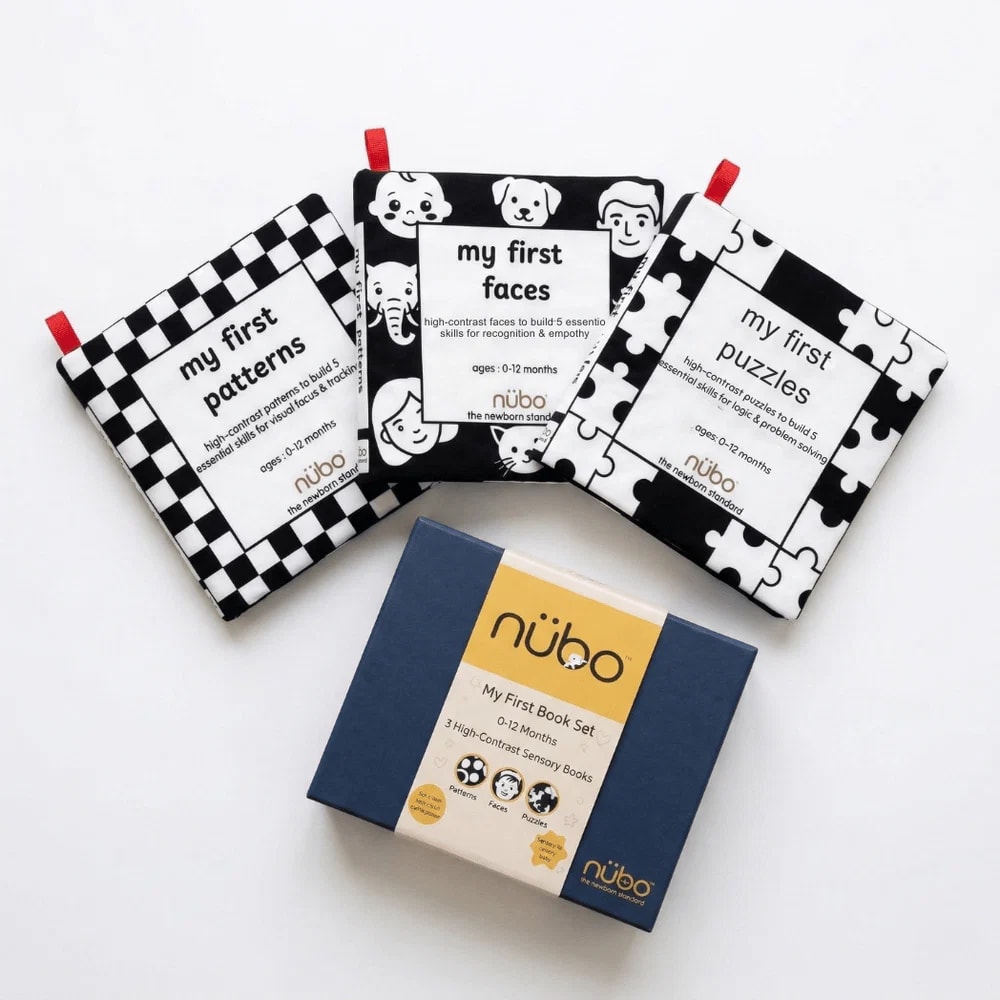
Cloth books like the High Contrast Cloth Book Set are designed for little hands and curious minds. They're soft enough for newborns to handle safely and engaging enough to hold a 6-month-old's attention during tummy time and beyond.
Quick Tips for Parents
- Start small and build up. Even 1–2 minutes of tummy time a day is a great start. As your baby gets stronger, gradually increase duration to 10–15 minutes by 6 months.
- Make it part of your routine. Tummy time after a diaper change or before nap time helps your baby expect and prepare for the activity. Consistency matters more than duration.
- Stay close and supervise. Always stay within arm's reach during tummy time. Your presence is reassuring, and supervision keeps your baby safe.
- Use one or two toys at a time. Too many toys create distraction. A single high-contrast flashcard or cloth book is often more effective than a pile of options.
- Watch for cues. If your baby gets frustrated or fussy, it's okay to end the session. Tummy time should feel playful, not stressful.
- Choose toys designed for safety. Look for BIS-certified products free from small parts, BPA, and harsh chemicals. Soft, washable toys are easier to keep clean as your baby explores with their mouth.
Creating an Engaging Tummy Time Environment
The space where you do tummy time matters just as much as the toys you choose. A calm, clean, well-lit area helps your baby focus and enjoy the experience. Natural light is ideal—it helps your baby see the details on toys and books more clearly, and it makes it easier for you to observe your baby's reactions.
Keep the area free from loud noises and visual clutter. Your baby doesn't need a lot of stimulation from their environment—the toys you've chosen are enough. A soft play mat or folded blanket makes tummy time more comfortable and gives your baby some cushioning as they practice strengthening their neck and arms.
Once your baby is around 4–6 months old, you can make tummy time more interactive by getting down on the floor with them. Play peek-a-boo, mimic their sounds, or show them how to reach for toys. This builds not just physical strength but also emotional connection and social skills.
Key Products to Support Tummy Time at Every Stage
Building a great tummy time routine doesn't require a huge investment. A few well-chosen, thoughtfully designed products can support your baby's development from birth through 6 months and beyond.
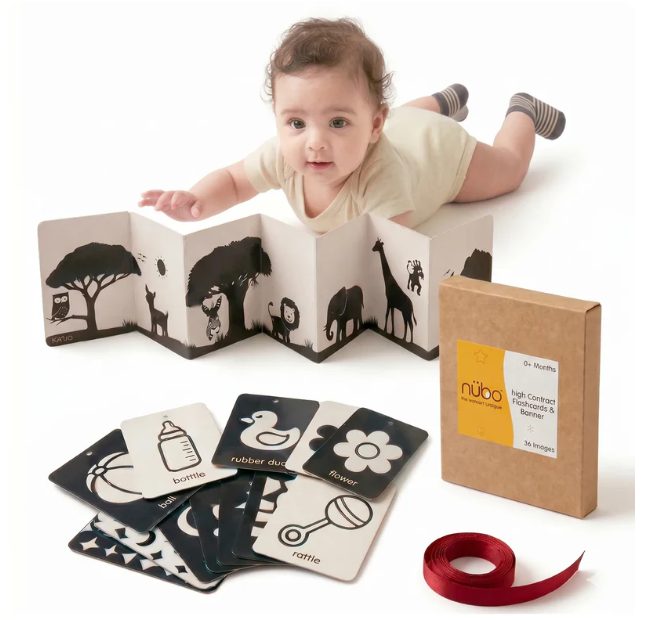
High Contrast Flashcards & Tummy Time Banner
BIS Certified | Birth–6 months | 10 cards included
₹299
The High Contrast Flashcards & Tummy Time Banner is an affordable starter set for newborns. It includes both standalone flashcards and a banner your baby can gaze at during tummy time, providing visual stimulation and helping build focus.
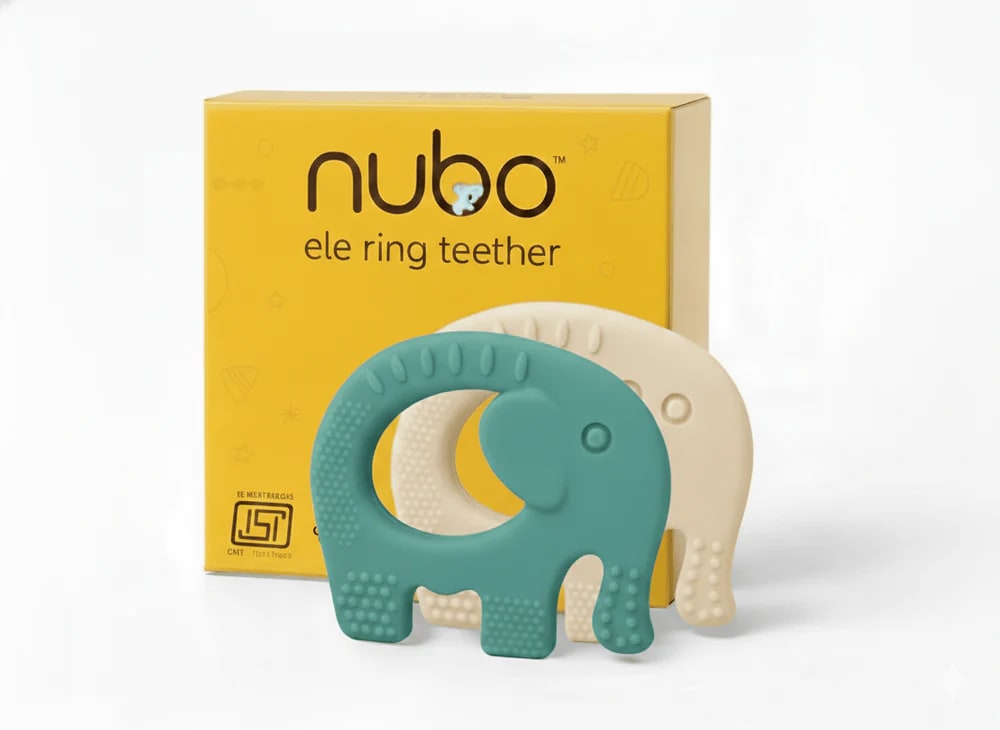
As your baby moves into month 3 and beyond, the ELE Ring Teether Set provides safe, textured objects for reaching and mouthing. The rings are easy for little hands to grab during tummy time, encouraging arm and hand development.
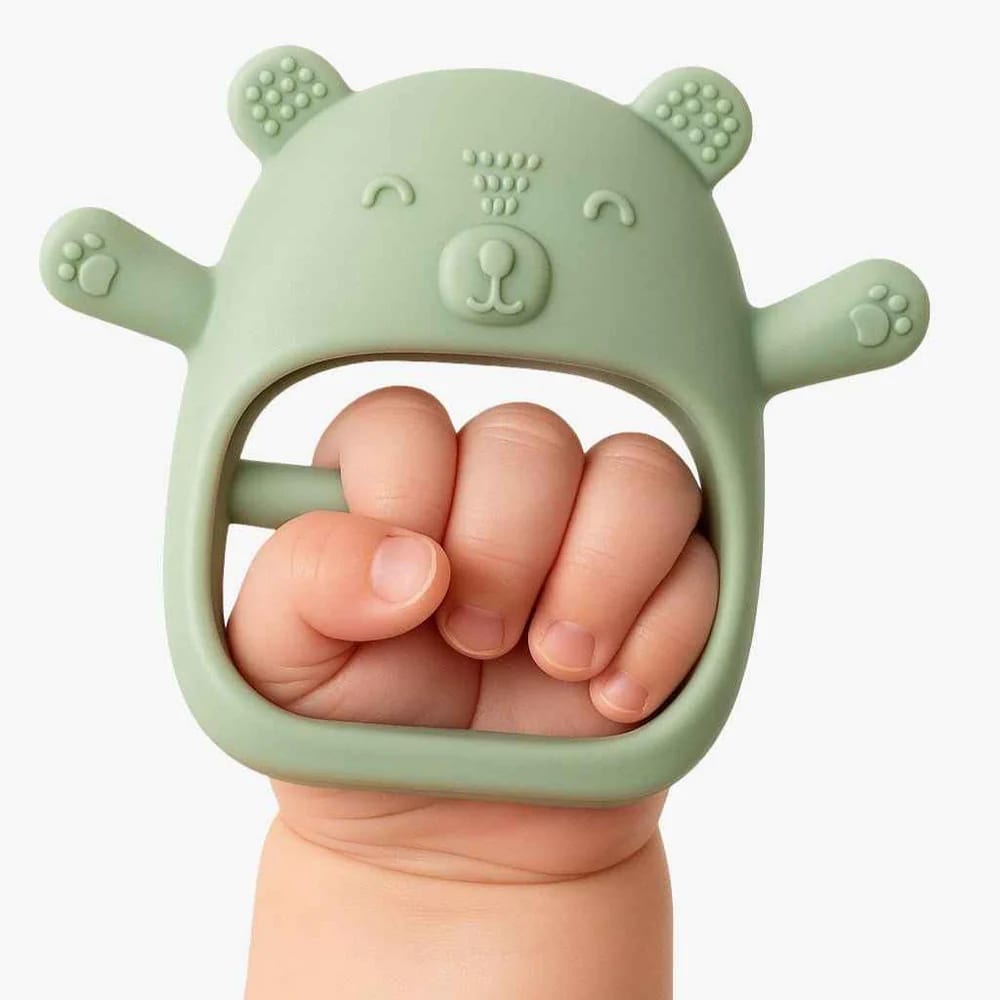
The Kiko No-Drop Newborn Teether is designed with a built-in loop that keeps the toy close during tummy time—no frustration when it rolls away. The soft, textured surface is perfect for exploration from birth onward.
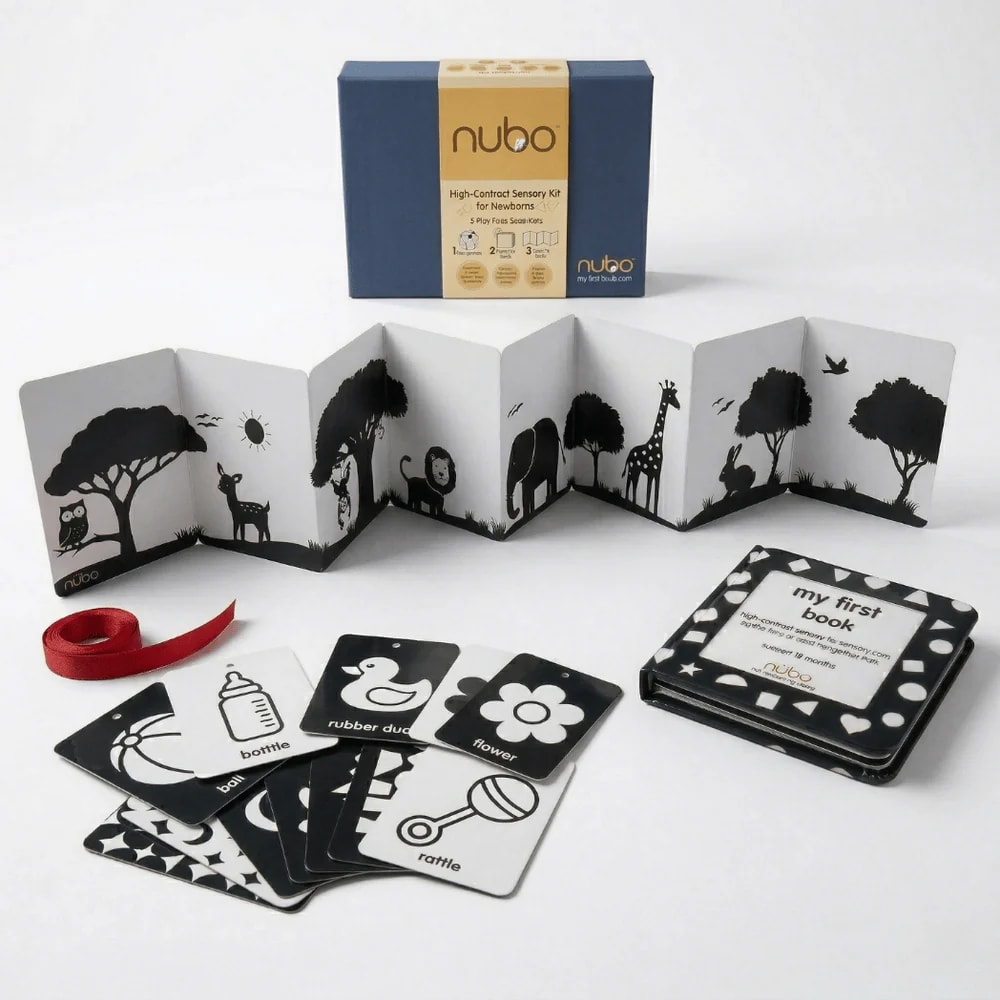
If you're looking for a curated collection, the High Contrast Newborn Essential Kit brings together multiple tools designed to support tummy time and early development. It's also a thoughtful newborn gift for parents just starting their journey.
Common Tummy Time Challenges—and How to Solve Them
Your baby hates tummy time. This is incredibly common, especially in the first 2 months. Your baby's neck is still weak, and the position feels unfamiliar. Start with just 30 seconds. Stay close, use engaging toys, and make it playful. It gets easier as your baby's strength improves.
Your baby falls asleep during tummy time. Sleepiness during tummy time is actually a good sign—it means your baby feels safe with you. However, for tummy time to be effective, your baby needs to be awake and practicing movement. Try doing tummy time right after your baby wakes up, when they're most alert.
You're unsure if you're doing it right. There's no "perfect" way to do tummy time. If your baby is on their belly, awake, and safe, you're doing it right. The goal is simply to build strength and give your baby practice in a new position. Every baby is different—trust your instincts and your pediatrician.
Frequently Asked Questions
Q: When should I start tummy time for my newborn?
A: You can start tummy time as early as right after birth, though many parents wait until the umbilical cord falls off (around 1–2 weeks). Even a minute or two on your chest or a play mat counts. Start small and gradually increase as your baby grows stronger and more comfortable.
Q: Is tummy time the same as "back sleeping"?
A: No. Back sleeping is for naps and nighttime sleep (to reduce SIDS risk). Tummy time is supervised awake time when your baby is actively practicing movement and building strength. Always put your baby on their back to sleep, but offer supervised tummy time during the day.
Q: What are the best high-contrast images for newborns?
A: Bold, simple black-and-white patterns work best for newborns 0–3 months—think stripes, checkerboards, and geometric shapes. As your baby approaches 4–6 months, their color vision develops, so you can introduce colors like red, yellow, and blue alongside black-and-white patterns.
Q: Can I use regular toys for tummy time, or do I need special "tummy time toys"?
A: Special tummy time toys are designed with your baby's developmental stage in mind. They're typically softer, have better textures for exploration, and use visually engaging patterns. That said, a rolled-up blanket, a soft cloth, or even your smiling face can keep your baby engaged during tummy time. The key is that the item is safe, clean, and age-appropriate.
Q: How do I know if my baby is getting enough tummy time?
A: Research indicates that 15–20 minutes of cumulative tummy time per day (broken into multiple short sessions) is ideal by 6 months. But start much smaller—even 1–2 minutes a day is beneficial. Watch for your baby's developmental progress: by 3 months, they should lift their head briefly; by 6 months, they might push up on their arms. If you have concerns, chat with your pediatrician.
Q: What makes a tummy time toy safe for newborns?
A: Look for BIS-certified toys with no small parts that could be choking hazards. Avoid anything with sharp edges or hard plastic that could hurt tender gums. Materials should be non-toxic, washable, and free from BPA and harmful chemicals. Soft fabrics and gentle silicone are ideal for babies who mouth everything.
Conclusion
Tummy time might seem like a simple activity, but it's one of the most powerful tools you have to support your baby's physical and cognitive development. Whether you're using high-contrast flashcards, soft cloth books, or textured teethers, you're giving your baby the space to grow stronger, see more clearly, and explore the world with confidence.
Remember: consistency matters more than perfection. A few minutes of tummy time each day, supported by toys chosen thoughtfully for your baby's age and stage, is all your baby needs. Start early, keep sessions short and playful, and watch as your little one blossoms into a stronger, more coordinated baby ready for the next milestone.
Your baby's first six months fly by. By making tummy time a positive, engaging part of your daily routine, you're not just building muscles—you're building memories, trust, and the foundation for a lifetime of learning and growth.


leave a comment
This site is protected by hCaptcha and the hCaptcha Privacy Policy and Terms of Service apply.