
Quick Answer
Choose toys by development stage, not just age. Newborns 0–3 months need high-contrast visuals and soft textures; 3–6 months benefit from grabbing toys and sensory teethers. Prioritize safety-certified silicone or natural materials, easy-to-clean surfaces, and age-appropriate sizes to prevent choking hazards.
Why the Right Newborn Toys Matter
Your baby's brain is doing incredible work in the first six months. Every toy they interact with—whether they're looking at it, grabbing it, or putting it in their mouth—is building pathways for learning. The right toys support this growth while keeping playtime safe and sensory-rich.
As a first-time parent, you might feel overwhelmed by toy choices. But here's the truth: your baby doesn't need dozens of toys. They need toys that match their developmental stage, can be easily cleaned, and are made from materials you trust. That's what this guide covers.
Research indicates that babies benefit most from toys that stimulate their vision, encourage grasping, and provide different textures to explore. High-contrast toys are especially helpful in the early weeks when babies' eyes are still developing. Teethers and sensory toys become more important as they move into the 3–6 month range.
Understanding Developmental Stages: 0–3 Months vs. 3–6 Months
Babies change fast—sometimes faster than you expect. What captivates a newborn at 6 weeks won't hold attention at 4 months. Understanding these shifts helps you choose toys that actually work for your baby right now.
| Age Range | Key Milestones | Best Toy Features |
|---|---|---|
| 0–3 Months | Focus on close objects; limited head control; reflex grasping | High-contrast patterns; soft textures; easy to grip; no small parts |
| 3–6 Months | Improved hand-eye coordination; intentional grasping; early teething | Grabable rings; sensory teethers; cloth books; varied textures; washable surfaces |
In the 0–3 month window, your newborn is learning to focus. They see shapes and contrast most clearly. High-contrast flashcards and cloth books with bold black-and-white patterns are ideal. Tummy time is crucial, and toys that encourage head-lifting and visual tracking support this.
By 3–6 months, your baby has better control of their hands and is beginning to teethe (though teeth may not appear for months). They now want to grab, mouth, and manipulate toys. Soft silicone teethers, ring toys, and sensory kits with different textures become invaluable.
Best Newborn Toys by Category
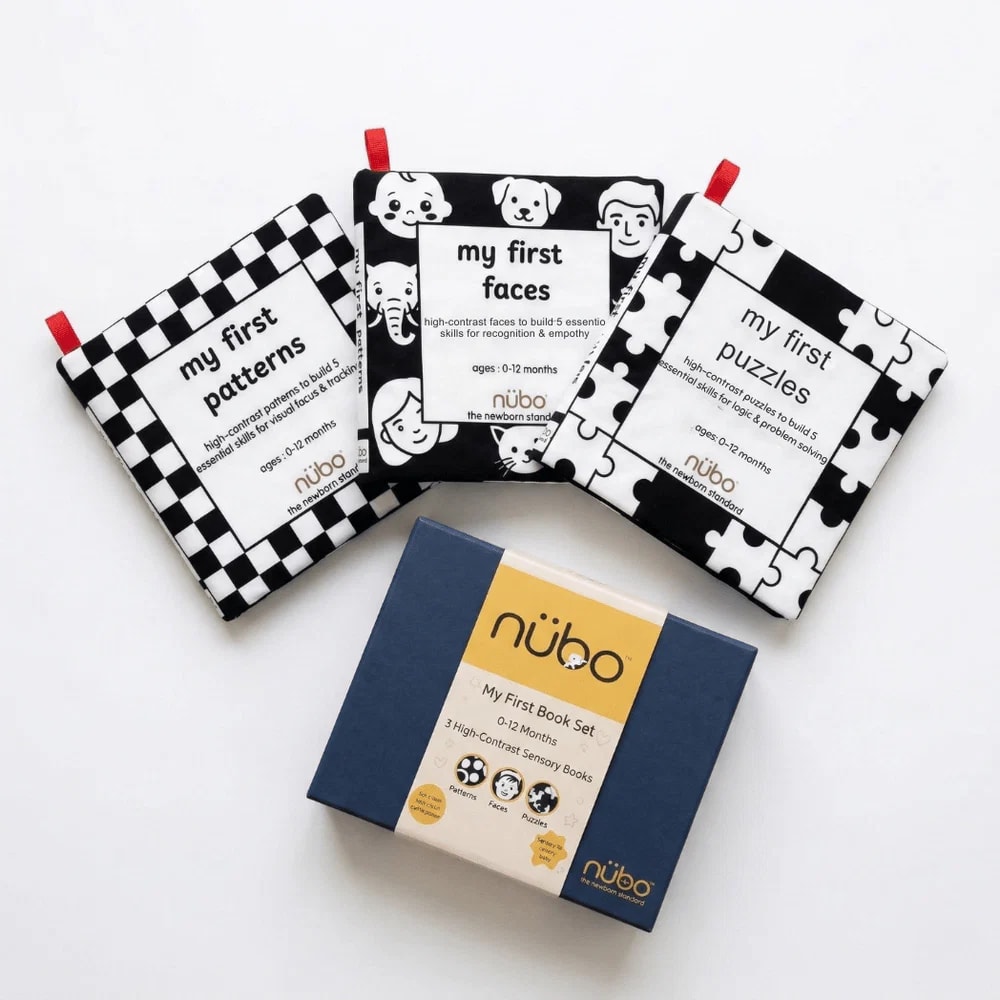
High-Contrast Visuals: Flashcards & Cloth Books
Newborns' eyes aren't fully developed yet. They focus best on high-contrast images—especially bold black-and-white patterns. Many experts suggest introducing high-contrast visuals from day one to support visual development and make tummy time more engaging.
Cloth books are ideal because they're safe for small hands, machine-washable, and can't be torn into small pieces. Unlike paper books, they're designed for babies who explore with their mouth. High-contrast flashcards work well during tummy time or as a visual anchor while you're talking to your baby.
Teethers & Silicone Toys: For Chewing, Grasping & Soothing
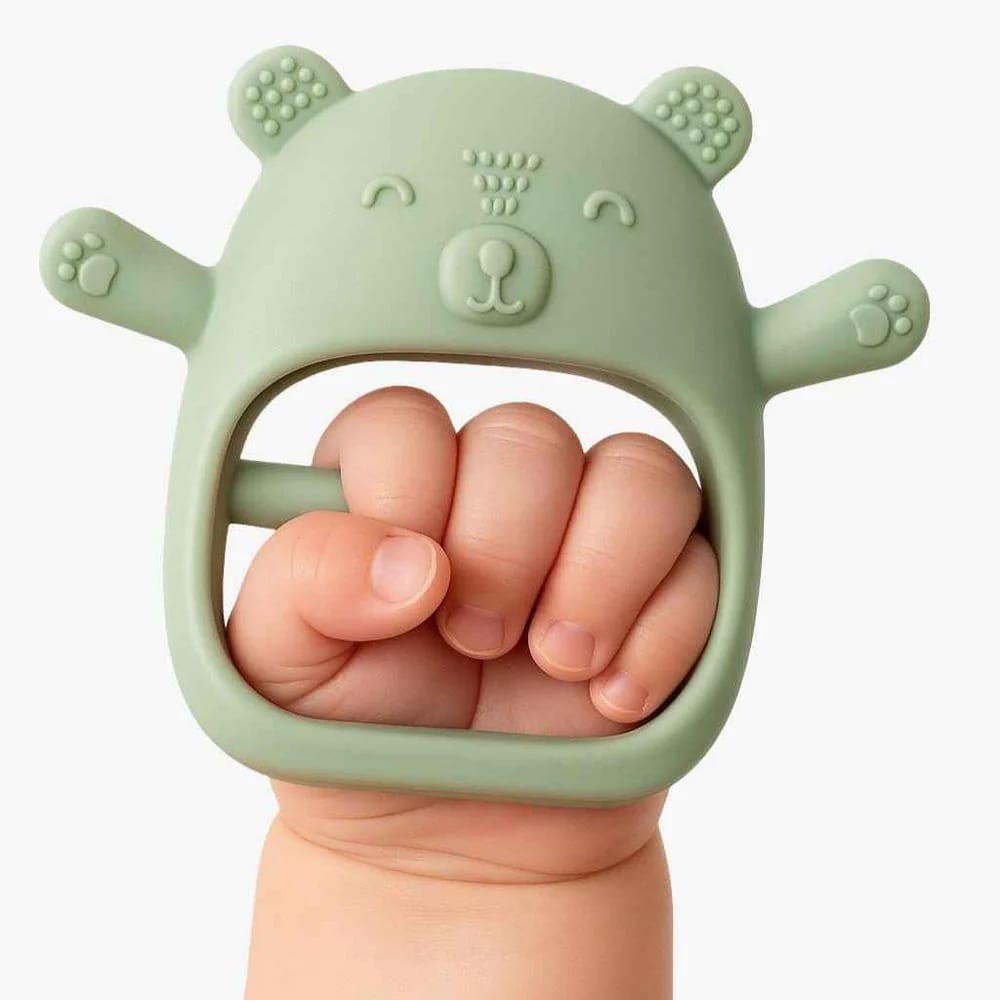
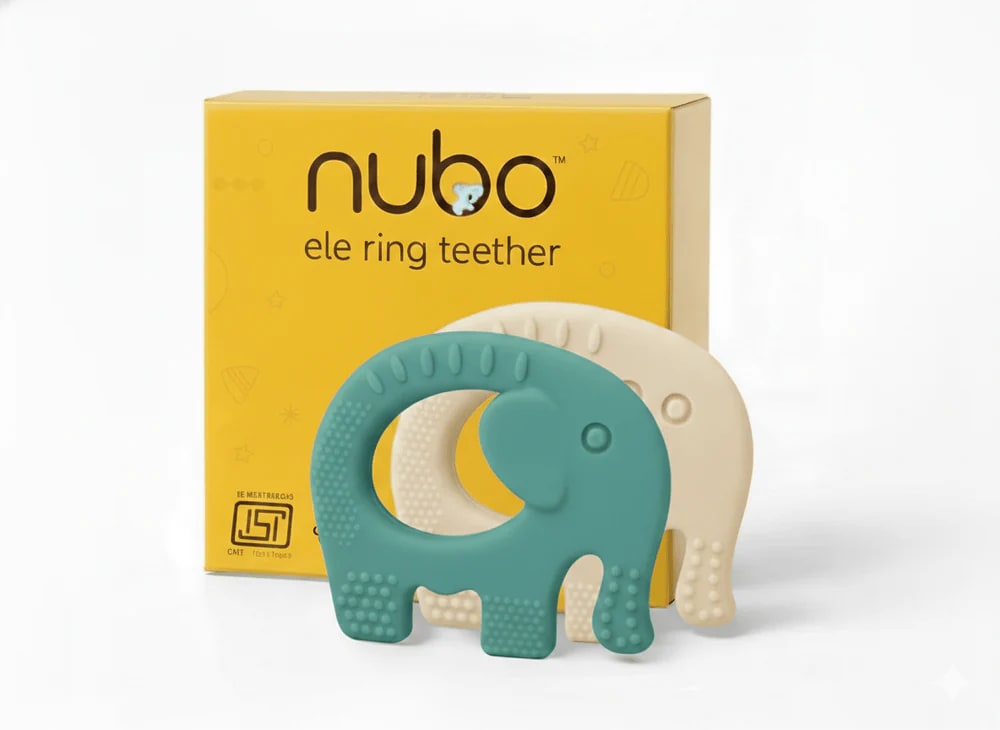
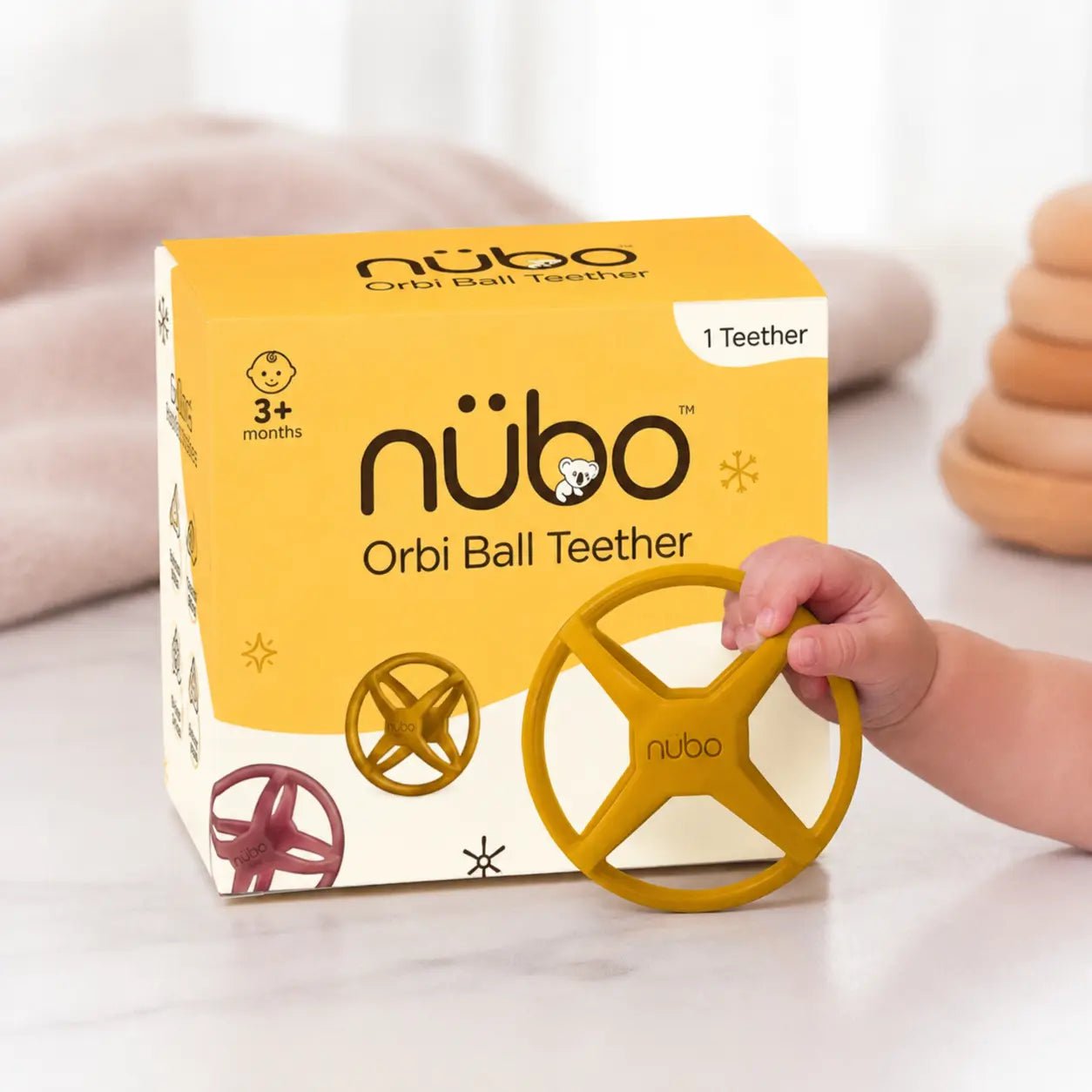
Teething typically starts around 4–6 months, but babies may chew on toys earlier as their gums develop. Soft silicone teethers are safer than plastic and gentler on developing gums. Look for toys that are BIS-certified and free from BPA, phthalates, and toxic dyes.
Ring teethers are easy for little hands to grab and hold. Sensory teethers with bumps and varied textures provide stimulation and relief. No-drop teethers solve the common problem of toys being thrown (and lost) repeatedly.
Sensory Kits: All-in-One Early Learning
Montessori-inspired sensory kits bundle high-contrast visuals, teethers, and textured toys into one thoughtful package. They're designed to support multiple senses at once and reduce decision fatigue for parents.
A well-curated kit covers visual development, grasping, and sensory exploration without overwhelming your baby or your space. These are also excellent as newborn gifts because they're comprehensive yet practical.
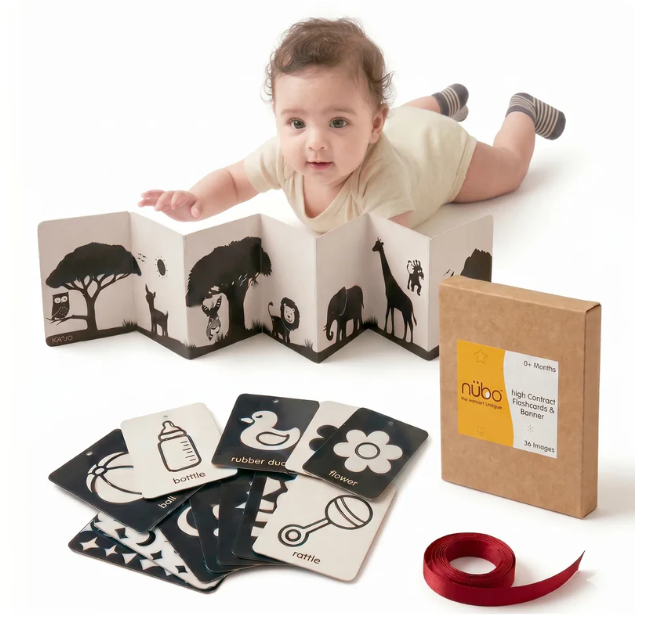
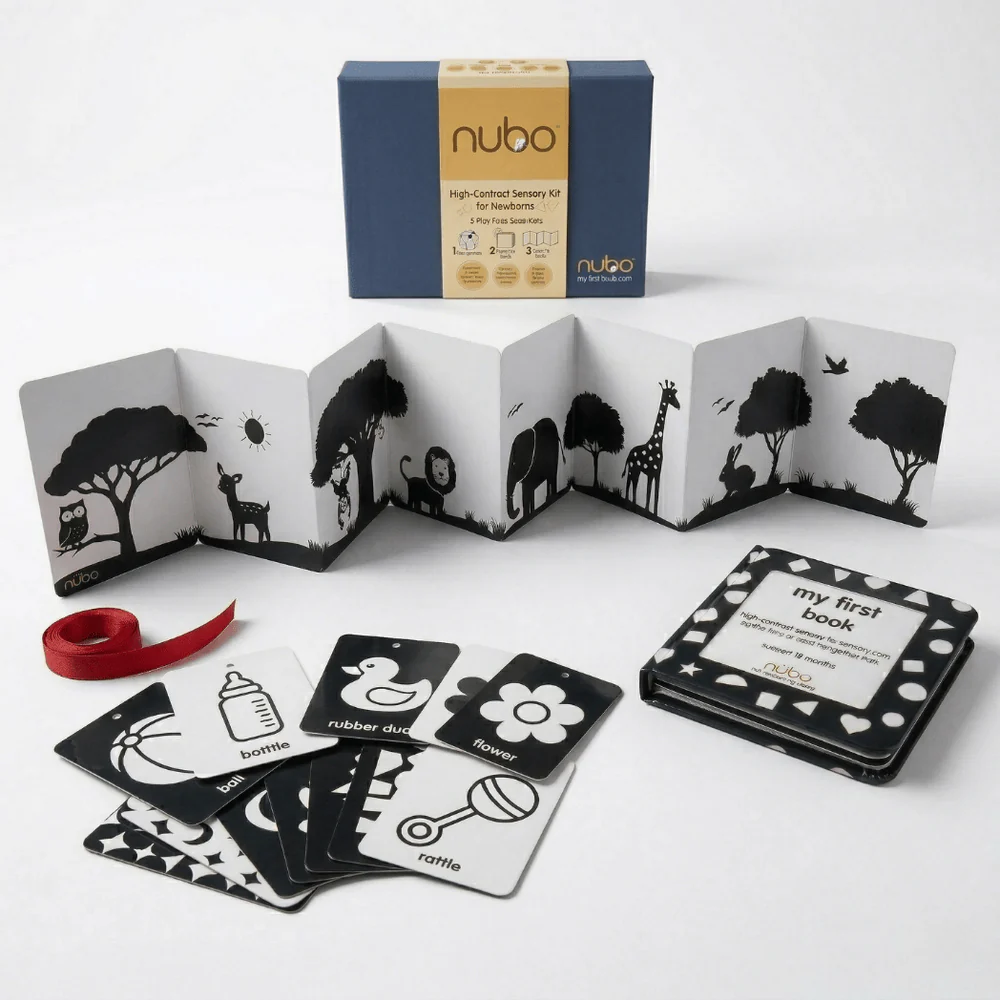
High Contrast Newborn Essential Kit
BIS Certified | Ages 0–6 months | Montessori-inspired bundle
₹449
Safety First: What Every Parent Should Know
Safety isn't negotiable. Before you bring any toy home, check for these non-negotiables: BIS certification, BPA-free materials, secure stitching, and no small detachable parts.
Silicone toys are generally safer than plastic because they're less likely to contain harmful chemicals and are easier to clean. Machine-washable toys reduce the risk of bacteria buildup—especially important since everything goes in a baby's mouth.
Inspect toys regularly for tears, cracks, or loose parts. Even safe toys can become hazardous if damaged. For cloth books and toys, check seams and stitching before each use.
Always supervise play. Even "safe" toys shouldn't be left unattended with your baby. Store toys in a clean, dry place away from direct sunlight, which can degrade materials over time.
Quick Tips for Parents
- Start with high-contrast toys in the first 3 months. Your baby's vision is still developing—bold black-and-white patterns are most engaging.
- Rotate toys every few weeks. Babies get bored, and rotation keeps familiar toys feeling "new" without spending more money.
- Prioritize washability. Silicone and cloth toys that are machine-washable or wipeable save you hours of stress.
- Don't confuse quantity with quality. Five thoughtful, age-appropriate toys beat twenty random toys every time.
- Check certifications, not just price. Expensive doesn't always mean safe. Always look for BIS certification and material transparency.
- Use toys for tummy time. Place interesting toys at eye level during tummy time to motivate head-lifting and build neck strength.
Creating a Toy-Friendly Space at Home
You don't need a dedicated playroom or expensive storage systems. Simple, organized spaces work best for early-stage play.
Keep toys accessible but contained. A small basket or tray near your changing area works well. This keeps toys clean, prevents clutter, and makes cleanup easy. Babies aren't crawling yet, so everything should be within arm's reach during supervised play.
Rotate high-contrast toys during tummy time by positioning them at different heights and distances. This encourages head-turning and visual tracking without overstimulation.
Store teethers and cloth books in a clean, dry drawer. If you have multiple teethers, you can refrigerate one (never freeze—extreme cold isn't necessary and can be uncomfortable) for sore gums, while others stay at room temperature.
Frequently Asked Questions
Q: At what age can I introduce toys to my newborn?
A: You can introduce high-contrast visuals from birth. Newborns don't grab intentionally in the first few weeks, so focus on toys they can look at during tummy time or while lying on their back. By 8–10 weeks, babies develop better grasping reflexes, so ring teethers and soft grabbing toys become more engaging. Teethers specifically are most useful from 3 months onward, though some babies may show interest earlier.
Q: Are silicone toys better than plastic or wooden toys?
A: Each has pros and cons. Silicone is soft, easy to clean, and typically free from BPA when certified. Plastic can be hard on developing gums but is durable. Wooden toys are natural but harder to sanitize and require regular inspection for splinters. For newborns specifically, soft silicone teethers are often recommended by experts because they're gentle and washable. Whatever you choose, verify BIS certification and material safety.
Q: How often should I clean toys for my newborn?
A: Cloth books and soft toys should be machine-washed weekly or after visible soiling. Silicone teethers can be washed daily with warm soapy water or in the dishwasher (check the manufacturer's instructions). High-touch toys that go in your baby's mouth should be sanitized at least twice a week. Regular cleaning prevents bacterial buildup and keeps toys hygienic as your baby explores with their mouth.
Q: What are the best newborn toys for tummy time?
A: High-contrast flashcards, cloth books, and tummy time banners are ideal because they encourage head-lifting and visual tracking. Position them at eye level in front of your baby. Ring teethers and small sensory toys can also be placed just out of reach to motivate reaching and crawling movements later. Rotate toys every few minutes to maintain interest and prevent neck strain.
Q: When should I introduce teethers and how do I know if my baby is teething?
A: Teethers can be introduced around 3 months, though actual teeth may not appear until 6+ months. Early signs of teething include increased drooling, chewing on hands, swollen gums, and a desire to mouth everything. A soft silicone teether provides relief without risk. Always supervise and ensure the teether is BIS-certified and appropriate for your baby's age. If your baby seems unusually uncomfortable, consult your pediatrician.
Q: Are high-contrast toys really necessary, or is this just marketing?
A: High-contrast visuals are backed by developmental research. Newborns see primarily in black and white and can't focus on colors clearly until around 2–3 months. High-contrast patterns stimulate visual development and are scientifically shown to capture attention better than pastels or low-contrast designs. That said, they're a supplement to natural interaction—talking to your baby, holding them, and everyday conversation matter far more than toys alone.
Conclusion
Choosing the right newborn toys doesn't have to be complicated. Focus on your baby's developmental stage, prioritize safety through certifications, and choose toys you can easily clean and trust. The best toy is one your baby engages with while you watch and interact together.
From high-contrast cloth books that support visual development to soft silicone teethers that soothe sore gums, thoughtful toys support your baby's growth while giving you confidence that playtime is safe and beneficial. Start simple, rotate what you have, and add toys as your baby's skills evolve.
Remember: your baby won't remember these first six months, but their brain is building crucial pathways every day. By choosing toys intentionally and playing with purpose, you're doing more than keeping them entertained—you're laying the foundation for lifelong learning. Trust your instincts, follow your baby's lead, and enjoy these fleeting moments.


leave a comment
This site is protected by hCaptcha and the hCaptcha Privacy Policy and Terms of Service apply.