
You just brought your baby home and suddenly you're wondering: which toys actually help my newborn develop? Not all toys are created equal. We've curated a guide to the best newborn toys for 0 to 6 months in India—toys that support vision, motor skills, and sensory development. Plus, what to look for so you don't waste money on toys that don't work.
Best Newborn Toys & Sensory Products
Here's what actually helped us — and thousands of Indian parents.
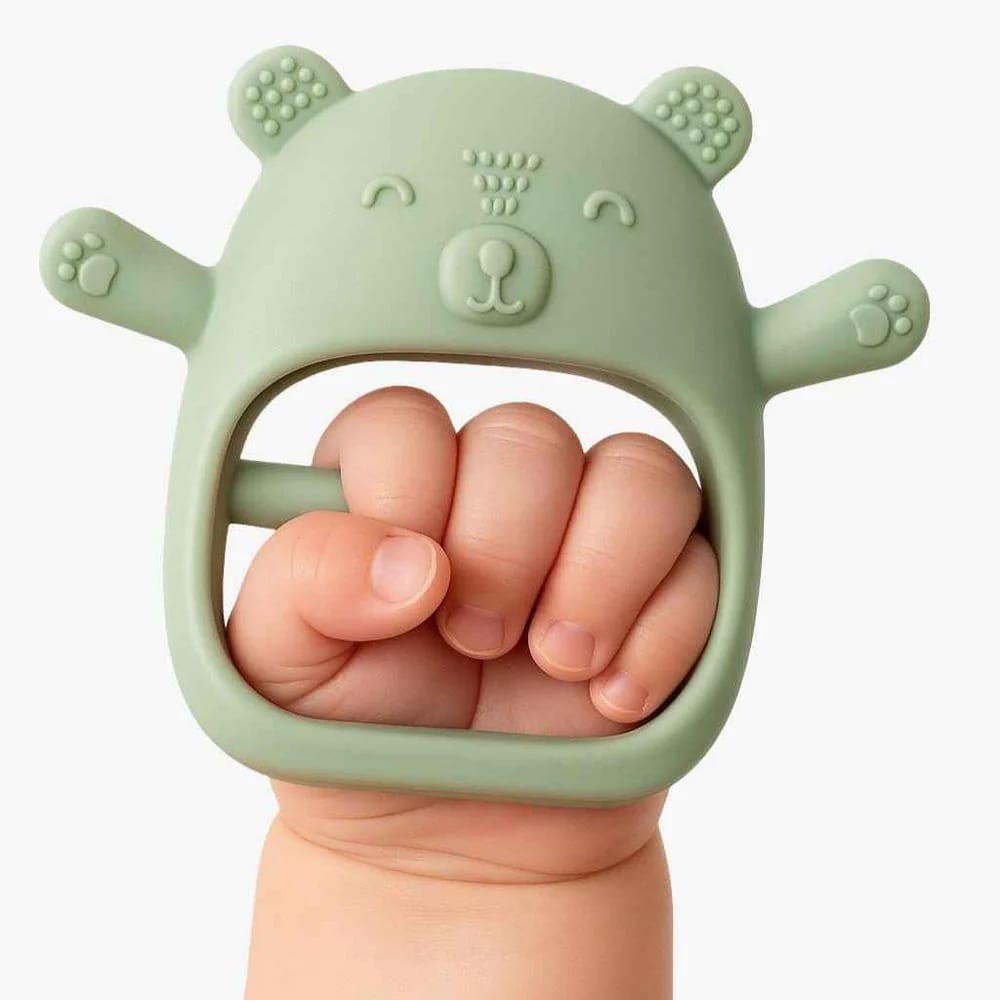
Kiko No-Drop Newborn Teether
BIS Certified | Food-grade silicone | Ages 3 months+ | Easy grip handle
₹449
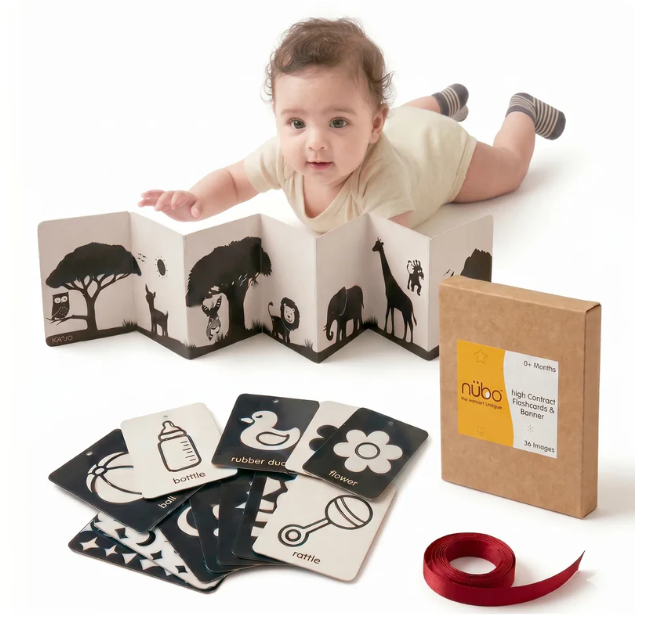
High Contrast Flashcards & Tummy Time Banner
BIS Certified | Ages 0–4 months | Includes tummy time support | Black & white designs
₹299
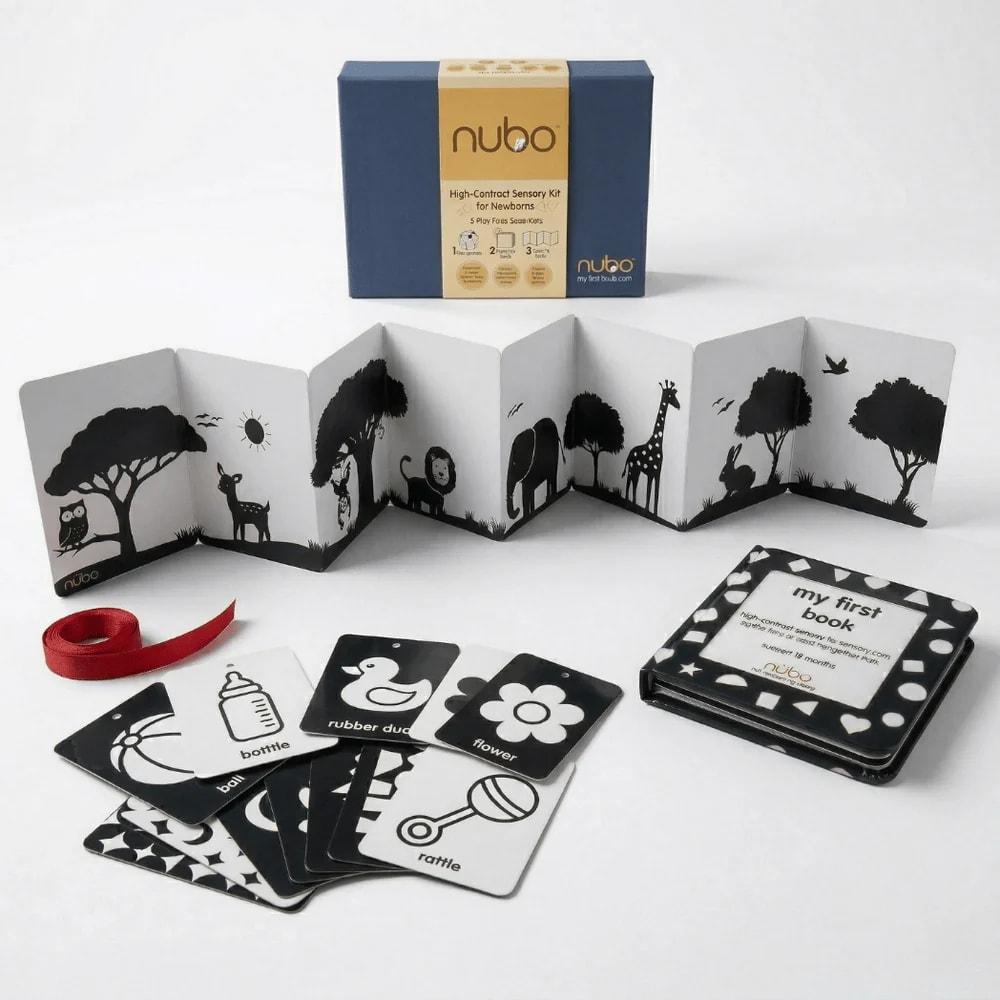
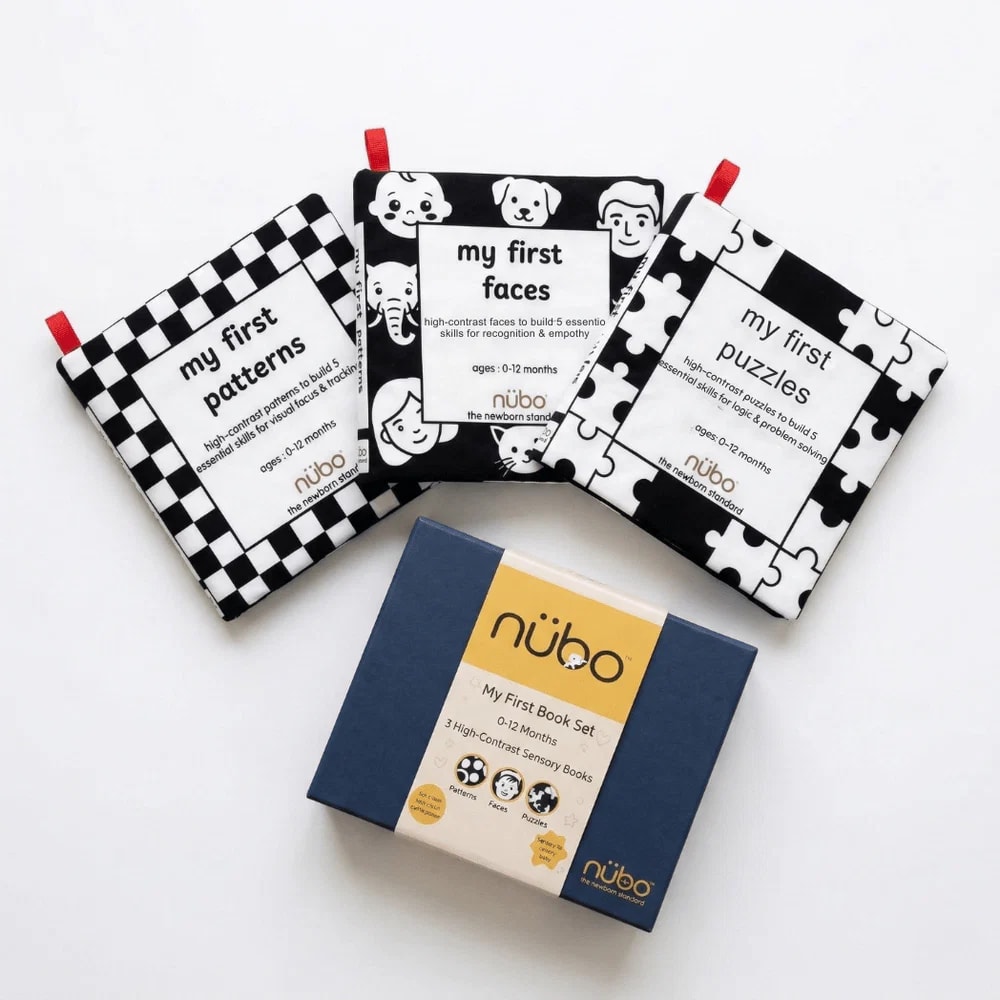
High Contrast Newborn Essential Kit
BIS Certified | Complete starter set | Ages 0–6 months | Montessori-aligned
₹449
Why Newborn Toys Matter for Early Development
It's easy to feel overwhelmed by the toy aisle. Parents often ask us: "Does my newborn even need toys?" The answer is yes—but not the way you might think.
In the first 6 months, toys aren't about entertainment; they're about development. During this critical window, your baby's brain is forming millions of neural connections every single day. The right toys—ones that engage sight, touch, and fine motor skills—actually support this growth. A high-contrast cloth book doesn't just look nice; it helps your baby's developing vision system recognize patterns. A silicone teether isn't just for sore gums; it's teaching hand-to-mouth coordination and sensory awareness.
The challenge? Most parents don't realize that cheap plastic toys, overstimulating bright colors, and toys with unsafe materials actually slow down development and create sensory overload. Your baby needs quality, intentional tools—and that's where many Indian parents get stuck. You want to invest wisely, choose safe products, and avoid the guilt of "wasting money on toys he'll outgrow in weeks."
What to Look For in Newborn Toys
Before you buy, here's what separates a developmental toy from a marketing gimmick:
| Good Developmental Toys | Toys to Avoid |
|---|---|
| High contrast (black, white, red) for 0–3 months | Bright neon colors that cause sensory overload |
| Soft, safe materials (BIS-certified silicone, organic cotton) | Cheap plastic with unknown chemical content |
| Single-purpose or multi-sensory design | Overly complex toys that confuse babies |
| Textured for grasping and exploration | Smooth or slippery surfaces with no grip points |
| Lightweight and easy to hold | Heavy toys or awkward shapes that tire little hands |
| Supports specific milestones (tummy time, grasping, tracking) | Generic "newborn toy" with no clear developmental purpose |
The Three Non-Negotiables
Safety first: Look for BIS (Bureau of Indian Standards) certification on the label. This isn't optional—it means the toy has been tested for toxic chemicals, choking hazards, and durability. Many imported toys skip this step.
Age-appropriateness matters: A toy designed for a 5-month-old won't help a newborn. Newborns (0–3 months) need high-contrast visuals and simple textures. At 3–4 months, introduce grasping toys. By 5–6 months, teething silicone toys become essential.
Montessori-aligned design: You don't need to follow Montessori strictly, but the philosophy helps. Nubokind's products are inspired by these principles: one clear purpose, natural materials, room for exploration, and zero overstimulation. This approach builds confidence and genuine developmental progress.
Age-Wise Toy Selection Guide
Newborns 0–3 Months: Vision & Comfort
Your baby's eyes are still developing. They respond best to high-contrast black-and-white patterns and simple shapes. High-contrast cloth books and flashcards are perfect here. Pair these with soft textures for tactile comfort. Your baby isn't grasping yet, so focus on visual stimulation during tummy time or when baby is alert.
3–4 Months: Reaching & Grasping
Around month 3, babies start to coordinate their hands and eyes. Introduce toys with easy-to-grip handles like teethers or small rattles. At this stage, your baby is learning cause-and-effect. Simple toys that respond to touch (soft rattle sounds, texture changes) build confidence and motor skills.
5–6 Months: Teething & Exploration
By 5 months, teething often begins. Food-grade silicone teethers are a game-changer—they're safe to chew, soothe sore gums, and encourage hand-to-mouth exploration. Your baby also starts to recognize familiar objects and show preferences. Introduce cloth books with varied textures; baby will want to touch and taste everything.
Social Proof: Real Indian Parents, Real Results
Vinod
Worth Buying
One of the best teethers I've purchased. Safe, lightweight, and easy for babies to hold.
Vipul Gaikwad
Wonderful Purchase
The books are beautifully made and safe for babies. My little one loves looking through the pages.
Quick Buying Tips for Indian Parents
- Start with one category, not ten toys. Buy a high-contrast cloth book set first, then add a teether around month 3. Rotating toys keeps your baby engaged longer.
- Check for BIS certification on every product. It's printed on packaging. If you can't find it, don't buy it—no exceptions.
- Prioritize silicone over rubber or plastic. Food-grade silicone is the safest choice for teethers and toys that go in the mouth.
- Remember: less is more. A room full of toys confuses babies. 4–5 carefully chosen developmental toys beats 20 random ones.
- Plan by milestone, not age. Every baby develops at their own pace. Watch for signs of readiness (reaching, grabbing, teething) before introducing new toy types.
- Wash toys regularly. Babies put everything in their mouth. Use warm soapy water and air-dry. Check care instructions on each product.
Common Mistakes Indian Parents Make When Buying Newborn Toys
Mistake 1: Buying by color, not by design. Parents see a bright, colorful toy and assume it's stimulating. In reality, high-contrast black, white, and red designs are far more effective for newborn vision development. Neon colors often cause overstimulation and exhaustion.
Mistake 2: Skipping safety checks. Many online sellers import toys without BIS certification to cut costs. If a toy is "too cheap to be true," it probably is. Your baby's safety isn't worth the savings.
Mistake 3: Buying "newborn toys" without age-specific purpose. A toy designed for "0–12 months" is usually designed for nobody. The best toys solve a specific developmental need at a specific age. A teether for a 1-month-old is useless; a high-contrast book for a 5-month-old is less impactful than at 2 months.
Mistake 4: Ignoring material quality. Cheap silicone or plastic can contain BPA, phthalates, and other chemicals that leach into your baby's mouth. Food-grade silicone costs a bit more, but it's non-toxic and dishwasher-safe.
Mistake 5: Overstimulation. Having 15 toys in the crib "for options" confuses your baby's developing brain. Rotate toys weekly. Less variety, more focus.
FREQUENTLY ASKED QUESTIONS
Q: When should I start introducing toys to my newborn?
A: Right from birth, but with intention. Newborns 0–3 months don't need toys in their hands—they need visual stimulation. That's why high-contrast flashcards and cloth books are perfect from day one. Around 3 months, when your baby starts tracking objects and reaching, introduce grasping toys. There's no "too early" for the right developmental toy; there's only "not matched to your baby's stage yet." Browse high-contrast flashcards designed for newborns to get started.
Q: Are silicone teethers safe for newborns?
A: Yes, absolutely—but only food-grade silicone from BIS-certified brands. Food-grade silicone is non-toxic, dishwasher-safe, and gentle on developing gums. Avoid cheap rubber teethers or plastics that haven't been tested for harmful chemicals. Nubokind's teethers are certified and designed specifically for the 3-month-plus stage when baby is ready to chew.
Q: How many toys does my baby actually need?
A: Four to six carefully chosen toys beat twenty random ones. Start with 1) a high-contrast cloth book set, 2) a tummy time visual aid, and 3) a teether (around month 3). Rotate them weekly to keep your baby's interest. Too many toys create sensory overload and make it harder for babies to focus, which actually slows development.
Q: What makes a toy "Montessori-inspired" and why does it matter?
A: Montessori toys have one clear purpose, use natural materials, and invite exploration without adult direction. They're not flashy or loud; they're calm and intentional. This approach reduces overstimulation, builds confidence through independent exploration, and aligns with how babies' brains naturally learn. Nubokind's starter kits are Montessori-aligned, meaning every toy in the set supports a specific developmental goal without confusion or excess.
Q: Are imported toys better than Indian brands for newborn safety?
A: Not necessarily. A toy is only as safe as its certification. Look for BIS certification first, regardless of where the toy is made. Many Indian brands meet international safety standards; many imported toys bypass Indian testing to cut costs. Choose by certification, not by country of origin.
Q: Can I reuse toys for a second baby?
A: Yes, cloth books, flashcards, and silicone teethers are completely reusable. Wash them thoroughly (warm soapy water and air-dry for cloth items; dishwasher-safe for silicone). As long as there's no visible wear or damage, they're ready for baby number two. This is one reason investing in quality makes financial sense.
CONCLUSION
Choosing the right newborn toys doesn't have to be overwhelming. Start by understanding your baby's developmental stage, prioritize safety with BIS certification, and choose toys with a clear purpose. You don't need a playroom full of bright plastic—you need a thoughtful selection of tools that support vision, motor skills, and sensory growth.
The best newborn toys are the ones that grow with your baby, support real milestones, and are made from materials you can trust. That's what Nubokind was built to provide: developmental toys designed for Indian babies, made safe, and aligned with how your baby actually learns.
Ready to build your baby's first toy collection? Explore Nubokind's High Contrast Newborn Essential Kit—a curated starter set that covers every developmental need from 0 to 6 months. Or pick individual products based on your baby's current stage and watch the difference intentional play makes.


leave a comment
This site is protected by hCaptcha and the hCaptcha Privacy Policy and Terms of Service apply.