
Watch your mum chase your 8-month-old around the living room with a bowl of mashed dal-chawal while he ignores every spoonful. What if there was a better way? Baby-Led Weaning (BLW) lets your little one feed themselves from day one—building strength, confidence, and healthy eating habits. Here's how to do it safely, the Indian way.
WHAT IS BABY-LED WEANING (BLW)?
Baby-Led Weaning is a simple idea: instead of feeding your baby smooth purees with a spoon, you skip the puree stage entirely and let your 6-month-old self-feed with soft, finger-sized pieces of real food. Your baby picks up the food, explores it, and learns to eat at their own pace.
Research indicates that BLW builds jaw strength, fine motor skills (the "pincer grasp"), and oral exploration—all critical for language development and eating confidence later. Plus, many experts suggest it helps prevent picky eating because your child experiences real textures and flavors from the start, not just smooth mush.
But here's the catch in an Indian household: your mum-in-law's eyes will go wide. "Beta, they will choke!" she'll cry. The good news? BLW, when done safely, is no riskier than spoon-feeding. It just looks scarier because your baby is actively holding and chewing the food.
WHEN TO START: THE 6-MONTH READINESS CHECKLIST
Not every baby is ready for solids at exactly 6 months. Look for these signs of developmental readiness before you begin:
- Sits upright with minimal support (in a high chair or your lap). Lying back = choking risk.
- Has lost the "tongue thrust" reflex—the automatic push that spits food out of the mouth.
- Shows interest in food. They watch you eat, reach for your plate, or bring things to their mouth.
- Can pick things up (even clumsily) with their fingers or rakes grasp.
- Birth weight has roughly doubled (though this is just a guideline, not a rule).
If your baby shows 3 or more of these signs, they're likely ready. Talk to your pediatrician if you're unsure—especially if your baby was born premature, as you'll adjust the timeline based on corrected age.
BLW THE INDIAN WAY: FOODS THAT WORK
The beauty of BLW in an Indian kitchen is that traditional foods are perfect for self-feeding. Your baby doesn't need special "baby food." They can eat what your family eats, just adapted for safety.
| Food Category | Best Starter Foods | How to Prepare |
|---|---|---|
| Grains & Bread | Soft roti, idli, dosa, steamed rice cakes | Tear into strips or small pieces. Ensure soft, not crispy. |
| Vegetables | Steamed carrot, sweet potato, pumpkin, beans, broccoli florets | Steam until very soft. Cut into strips or coin shapes (avoid round coins—choking hazard). |
| Proteins | Scrambled eggs, dahl (soft), paneer pieces, soft fish, chicken | Shred or flake. Avoid nuts until after age 4. Skip honey for infants under 1 year. |
| Fruits | Ripe banana, mango, avocado, papaya, steamed apple | Soft fruits whole or in strips. Avoid hard raw fruits until 12+ months. |
| Dairy | Yogurt, paneer, mild cheese | Serve as is. Full-fat options are better for brain development. |
The golden rule: If it's soft enough for you to mash between your thumb and finger, it's soft enough for your baby. Avoid hard, sticky, or choking-risk foods (whole grapes, popcorn, large chunks of nut butters, etc.).
SAFETY FIRST: HOW TO PREVENT CHOKING
This is where Indian families hold their breath. Here's the truth: gagging is NOT choking. Gagging is your baby's safety reflex—it's a good sign. Your baby will cough and sputter, spit out the food, and learn what's safe. Choking is silent and scary.
To keep your baby safe during BLW:
- Always supervise mealtimes. Sit right next to your baby. No distractions like phones or TV.
- Ensure proper seating. Your baby must be upright in a high chair, not reclined or moving around.
- Start with one new food at a time, waiting 3–5 days before introducing another. This helps identify allergies and keeps mealtimes simple.
- Offer water in an open cup or sippy cup during meals to help with swallowing.
- Avoid hard, round, or sticky foods until age 4+. This includes whole nuts, hard raw vegetables, cherry tomatoes (halve them), grapes, etc.
- Learn infant CPR and choking first aid before you start. It takes 2 hours and gives you confidence and peace of mind.
Many experts suggest that BLW babies actually have a lower choking risk than spoon-fed babies because they control the pace and have more time to explore the food in their mouth before swallowing.
WHAT TO EXPECT: MONTH BY MONTH (6–12 MONTHS)
Every baby is different, but here's a rough roadmap of what happens during BLW:
| Age | Skills & Milestones | What Your Baby Eats |
|---|---|---|
| 6 months | Raking grasp, brings things to mouth, tongue thrust disappearing | Very soft, large pieces (banana, steamed veg). Lots of gumming, minimal swallowing. |
| 7–8 months | Pincer grasp developing, sits with less support, more hand coordination | Softer foods in strips or small pieces. Start mixing textures. Soft daal, scrambled eggs, mango. |
| 9–10 months | Stronger pincer grasp, can pick up small pieces, more intentional eating | Wider variety of foods. Soft roti, idli with sambhar, soft fish, paneer, yogurt. |
| 11–12 months | Fine pincer grasp, sits independently, may start using sippy cup | Family foods with minor adaptations. Can eat what everyone else eats (with soft, small pieces). |
Don't panic about quantity. At 6–12 months, breast milk or formula is still the main nutrition source. Solids are about exploration and learning, not filling the belly. Your baby might eat 2 spoonfuls or a whole piece—both are normal.
HANDLING THE FAMILY CONVERSATION
Your mum is convinced BLW is dangerous. Your mother-in-law thinks you're being lazy and not "properly" feeding the baby. Here's how to handle it with confidence and grace.
Lead with reassurance, not defensiveness. Say something like: "I've been reading about BLW with our pediatrician, and research shows it's safe when we follow simple rules. The baby controls how much and how fast they eat, which is actually safer than spoon-feeding mush."
Invite them to mealtimes so they see it's not chaos—it's a learning process. When your baby gags (which they will), calmly say: "See? That's their natural reflex protecting them. It means they're learning." Normalize the mess. Normalize the slow pace.
Offer them a role. Ask Mum to prepare soft dal or steam vegetables. Let her see that BLW uses traditional Indian foods, not exotic Western "baby foods." This shifts the narrative from "modern experiment" to "practical way to eat together."
Finally, get buy-in from your pediatrician. A doctor's thumbs-up carries weight with family. When your mum has a concern, you can say: "Our pediatrician said this is safe, so let's trust them."
Quick Tips for Parents
- Start with one food per meal for the first week or two. Simplicity builds your confidence and helps you spot allergies.
- Meal prep in batches. Steam extra vegetables on Sunday for the week. Soft roti keeps in the fridge for 2–3 days.
- Don't worry about "wasted" food. Your baby is learning through touch, smell, and taste. Some will be thrown on the floor. It's part of the process.
- Keep a high chair tray clean but expect mess. Use a splat mat or newspaper underneath to make cleanup easier.
- Watch for signs of fullness. Turning their head away, closing lips, or getting distracted usually means they're done. Respect their hunger cues—this prevents overeating.
- Offer water at every meal. By 6 months, babies can handle sips from an open cup or sippy cup. This teaches them to drink alongside eating.
THE ROLE OF TEETHERS & SENSORY PLAY
Around 4–6 months, teething begins. Babies need safe things to chew and explore. High-quality teethers and sensory toys support oral development while your baby learns self-feeding. They build confidence in their mouth, learn texture differences, and practice the pincer grasp.
Look for teethers made from food-grade silicone (BIS certified, non-toxic) that your baby can hold independently. Teethers that have varied textures help babies understand soft vs. firm, which translates directly to eating skills.
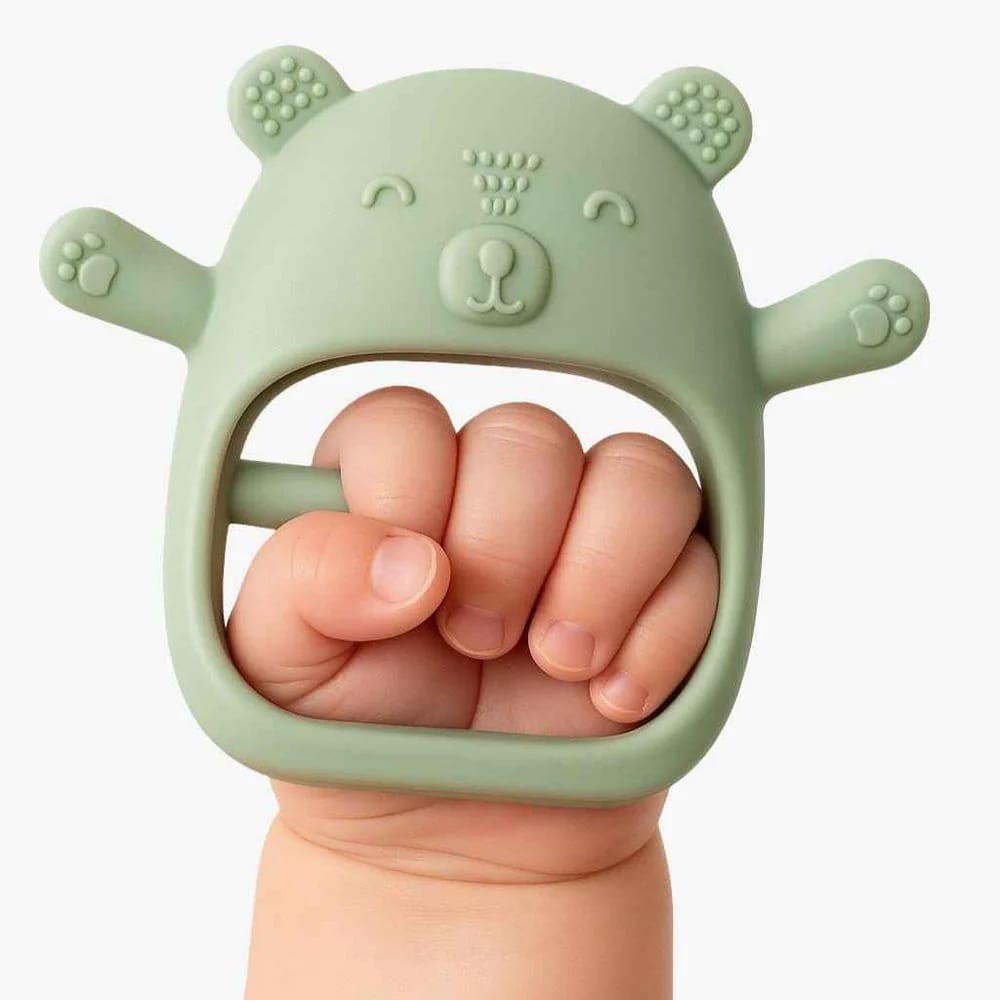
Kiko No-Drop Newborn Teether
BIS Certified | Food-grade silicone | Easy to grip design for 4–12 months
₹449
As your baby starts BLW around 6 months, teethers continue to soothe sore gums while they explore solid foods. The combination of chewing practice and feeding practice accelerates fine motor development.
FREQUENTLY ASKED QUESTIONS
Q: Isn't baby-led weaning just a trendy Western thing? Will it work in an Indian kitchen?
A: BLW isn't new—it's how most families worldwide have fed babies for generations. Indian kitchens are perfectly suited for BLW. Soft rotis, steamed vegetables, daal, and soft idli are BLW-friendly foods your baby can hold and explore. The method fits beautifully into family meals.
Q: How do I know if my baby is getting enough nutrition with baby-led weaning?
A: Until 12 months, breast milk or formula is the main nutrition source—not solids. Your baby may eat 1 teaspoon or 1 tablespoon at first. This is normal and healthy. By 12 months, as they eat more solids, milk feeds naturally decrease. Track your pediatrician's growth measurements; if your baby is gaining weight steadily, they're doing fine.
Q: What's the difference between gagging and choking? Should I panic?
A: Gagging = baby is safe. You'll see coughing, sputtering, face turning red. This is the gag reflex protecting them. Choking = silence. If your baby is silent and unable to cough or cry, that's an emergency. Learn infant CPR and choking first aid before starting BLW. It takes 2 hours and eliminates panic.
Q: Can I combine spoon-feeding and baby-led weaning?
A: Absolutely. Many parents do a mix—called "combination feeding" or "gradual weaning." Your baby can self-feed soft foods while you spoon-feed yogurt or thin daal. There's no "pure BLW" police. Do what feels right for your family.
Q: How do I handle allergies with baby-led weaning?
A: Introduce one new food every 3–5 days. If you notice a rash, vomiting, or breathing difficulty, pause that food and contact your pediatrician. Common allergens (eggs, peanuts, tree nuts, dairy, fish) can be introduced early according to current research, but do so one at a time. Never delay allergen introduction—early exposure may reduce allergy risk.
Q: What if my baby refuses solid foods or seems uninterested?
A: Some babies take weeks to be interested in food. That's okay. Keep offering without pressure. Let them play with and explore food even if they don't swallow. Mealtimes are learning times, not performance tests. If your baby shows zero interest by 8–9 months, check with your pediatrician to rule out oral sensitivities or other issues.
BOOSTING DEVELOPMENT WITH HIGH-CONTRAST LEARNING
While your baby is mastering self-feeding, their brain is developing rapidly. High-contrast visuals during mealtimes and playtime support early visual development and curiosity. Pairing sensory exploration (touching food, teethers) with visual stimulation creates a richer learning environment.
Consider keeping high-contrast cloth books or visuals near the high chair to keep your baby engaged before, during, or after meals. This supports focus, language development, and makes mealtimes a multi-sensory learning moment.
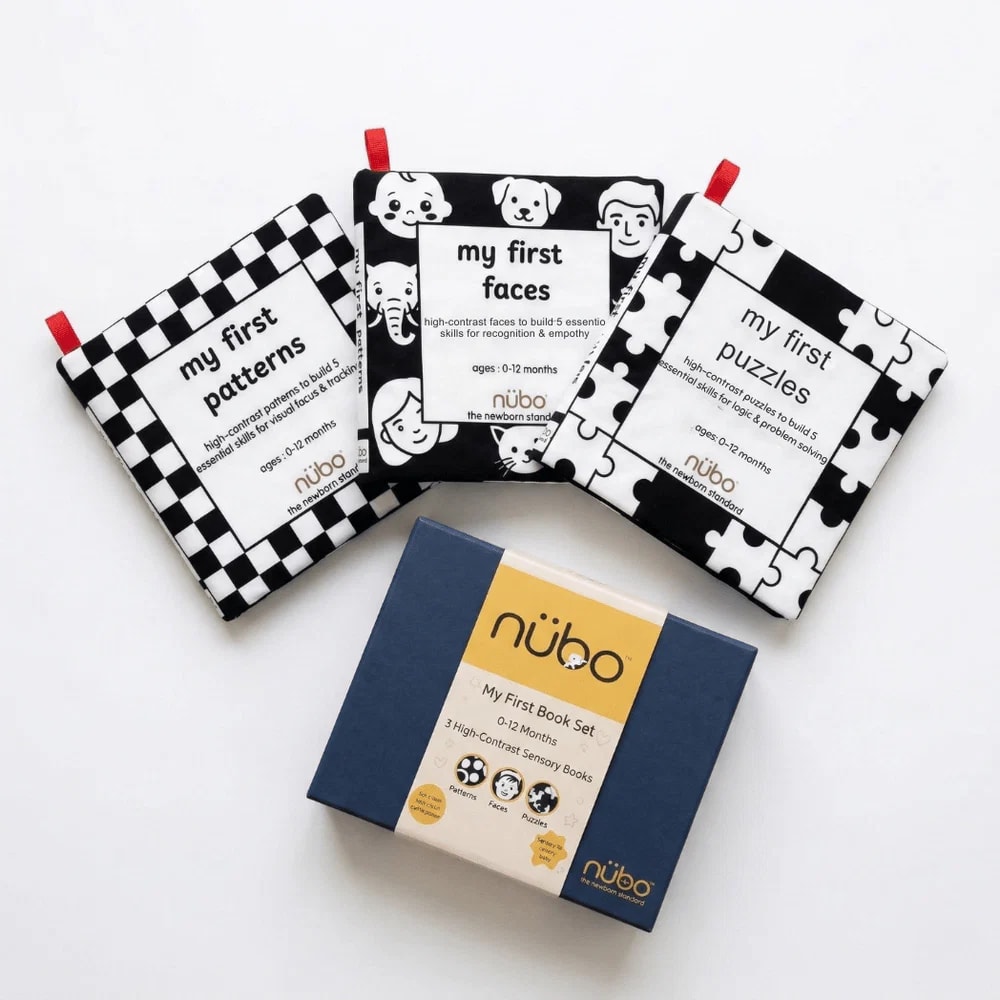
High Contrast Cloth Book Set
BIS Certified | Stimulates visual development | Safe, washable cloth | 0–12 months
₹549
CONCLUSION
Baby-Led Weaning is not a rigid dogma—it's a flexible, developmentally sound approach to introducing solids that respects your baby's pace and builds eating confidence. In an Indian household, BLW isn't a departure from tradition; it's a return to how families have always eaten together.
Your baby will gag. They will throw food. They will look at a piece of roti like it's a foreign object. And then, one day, they'll pick it up, pop it in their mouth, chew, and swallow. That moment of independence is BLW in a nutshell.
Start slowly, supervise closely, stay calm, and trust your baby. Their instincts are sharper than you think. And remember: by 12 months, your little one will be eating soft versions of everything your family eats—no separate "baby food" required. That's the real magic of BLW.
Have questions about your baby's feeding journey or development? Your pediatrician is always your best guide. And when your mum-in-law asks, "Are you sure?" smile and say, "Yes, and our doctor agrees."


%20lets%20your%20lit...)
leave a comment
This site is protected by hCaptcha and the hCaptcha Privacy Policy and Terms of Service apply.