
Quick Answer
Tummy time feels uncomfortable at first. For newborns 0–3 months, start with 1–2 minutes on a padded surface, use high-contrast visuals to hold attention, and gradually increase duration. Most babies adjust within 2 weeks with consistent, gentle practice.
WHY DO BABIES HATE TUMMY TIME?
If your baby cries or fusses the moment you place them on their belly, you're not alone. Tummy time feels unfamiliar and challenging for newborns — they're used to being cradled, and suddenly they're working against gravity to hold their head up. This is developmentally normal, not a sign that something is wrong.
Babies also have limited neck strength in the first few weeks. Research indicates that tummy time can feel tiring and even overwhelming before their muscles develop. The good news? Most resistance fades within days or weeks once babies understand what to expect. Consistency and patience are your biggest allies here.
Some newborns also have reflux, allergies, or simply need more time to adjust. If your baby's distress is severe, paired with feeding issues or unusual crying patterns, check in with your pediatrician to rule out physical discomfort.
WHEN TO START TUMMY TIME (0–3 MONTHS)
Many experts suggest starting tummy time around 1 week of age, once your baby has settled into home life. You don't need to wait until the umbilical cord falls off — a healed or healing navel is fine. Begin gently and short: just 30 seconds to 1 minute on a clean, flat surface.
For babies 0–3 months, the goal is not perfection, but gradual exposure and comfort. Aim for 2–3 short sessions spread throughout the day rather than one long stretch. If your baby cries, stay calm. A few tears doesn't mean you're harming them — it means they're working on a new skill, and your steady presence helps them feel safe.
| Age Range | Suggested Duration | Frequency Per Day | Focus |
|---|---|---|---|
| 0–4 weeks | 30 seconds–2 minutes | 2–3 sessions | Comfort & bonding |
| 4–8 weeks | 2–5 minutes | 2–3 sessions | Neck strength, play |
| 8–12 weeks | 5–10 minutes | 2–4 sessions | Motor development, exploration |
Remember, these are guidelines, not rules. Every baby develops at their own pace. If your baby is thriving and gaining weight, a little resistance to tummy time is nothing to worry about.
7 GENTLE WAYS TO MAKE TUMMY TIME MORE ENJOYABLE
1. Start on Your Chest
One of the easiest introductions to tummy time is placing your baby directly on your chest while you lie back at a slight recline. Your heartbeat, warmth, and familiar scent create a sense of security that makes the position feel less scary. Babies often tolerate this version much longer than floor time, and it still builds neck strength.
2. Use a Padded, Engaging Surface
A firm but soft surface — like a folded towel, playmat, or sensory play mat designed for tummy time — makes a huge difference. Hard floors feel uncomfortable; padded surfaces feel more forgiving. A mat that encourages exploration also distracts from discomfort.
3. Place High-Contrast Visuals at Eye Level
Newborns have limited vision, but they're drawn to bold black-and-white patterns and high-contrast images. Research on infant visual development shows that placing high-contrast flashcards or a cloth book just in front of your baby's face gives them something to focus on, making tummy time feel less isolating and more engaging.
High-contrast flashcards and tummy time banners are designed specifically for this — they give your baby a visual anchor during tummy time while supporting early focus and tracking skills. Many parents find this single change transforms their baby's tolerance.
4. Make It Part of Routine and Play
Timing matters. Avoid tummy time right after feeding (wait at least 30 minutes) or when your baby is tired or hungry. Choose windows when they're alert and content — often mid-morning or early afternoon. Pair tummy time with soft singing, talking, or gentle touch to make it feel like bonding rather than a chore.
5. Offer Tactile Toys and Teethers
As your baby approaches 2–3 months, their hands become more engaged. Offering safe, textured objects like silicone teethers or cloth books keeps their hands and mind busy. A sensory teether with different textures can turn tummy time into sensory exploration — and babies are far less likely to fuss when they're curious and engaged.
6. Keep Sessions Short and Frequent
Instead of one 10-minute session (which will likely end in tears), spread tummy time into 3–4 brief sessions of 2–3 minutes each throughout the day. Short, positive sessions build confidence and prevent frustration. Your baby learns that tummy time is manageable, predictable, and temporary.
7. Stay Calm and Present
Babies pick up on parental anxiety. If you're tense or frustrated, your baby will sense it and their resistance may worsen. Stay relaxed, use a warm tone, and remind yourself that some fussing is normal. Your calm, encouraging presence teaches your baby that tummy time is safe — even if it's not their favorite thing yet.
QUICK TIPS FOR PARENTS
- Start tiny: 30 seconds to 2 minutes is enough for a newborn. Gradual increases feel less overwhelming.
- Place visuals at eye level: High-contrast images and black-and-white books hold newborn attention and reduce fussing.
- Use a sensory play mat or padded surface: Hard floors feel uncomfortable; soft, engaging surfaces make tummy time more tolerable.
- Pair with bonding: Sing, talk, or gently touch your baby during tummy time to create positive associations.
- Avoid post-feeding tummy time: Wait at least 30 minutes after feeding to reduce spit-up and discomfort.
- Be consistent and patient: Most babies adjust within 1–2 weeks of gentle, repeated exposure. Crying doesn't mean harm — it means learning.
TUMMY TIME PRODUCTS THAT HELP
The right tools can make a real difference. Here are a few Nubokind products designed to support your baby's tummy time and early development:
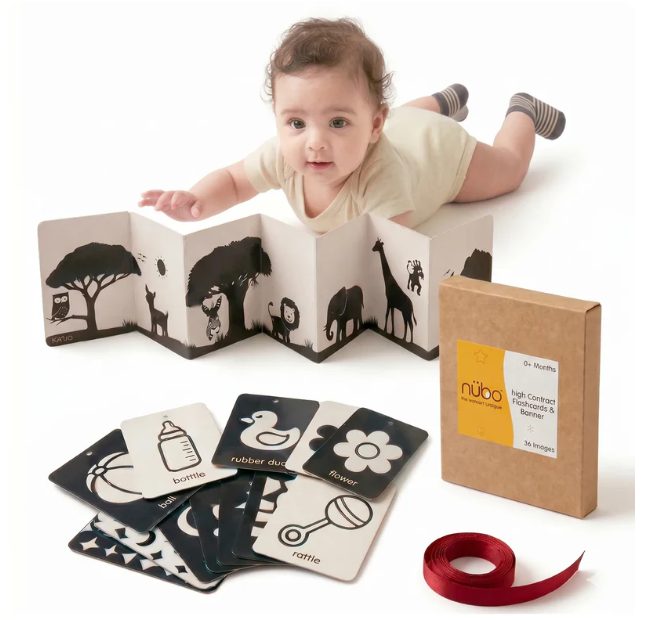
High Contrast Flashcards & Tummy Time Banner
Newborn visual development | High-contrast images for focus and tracking | Perfect for tummy time
₹299
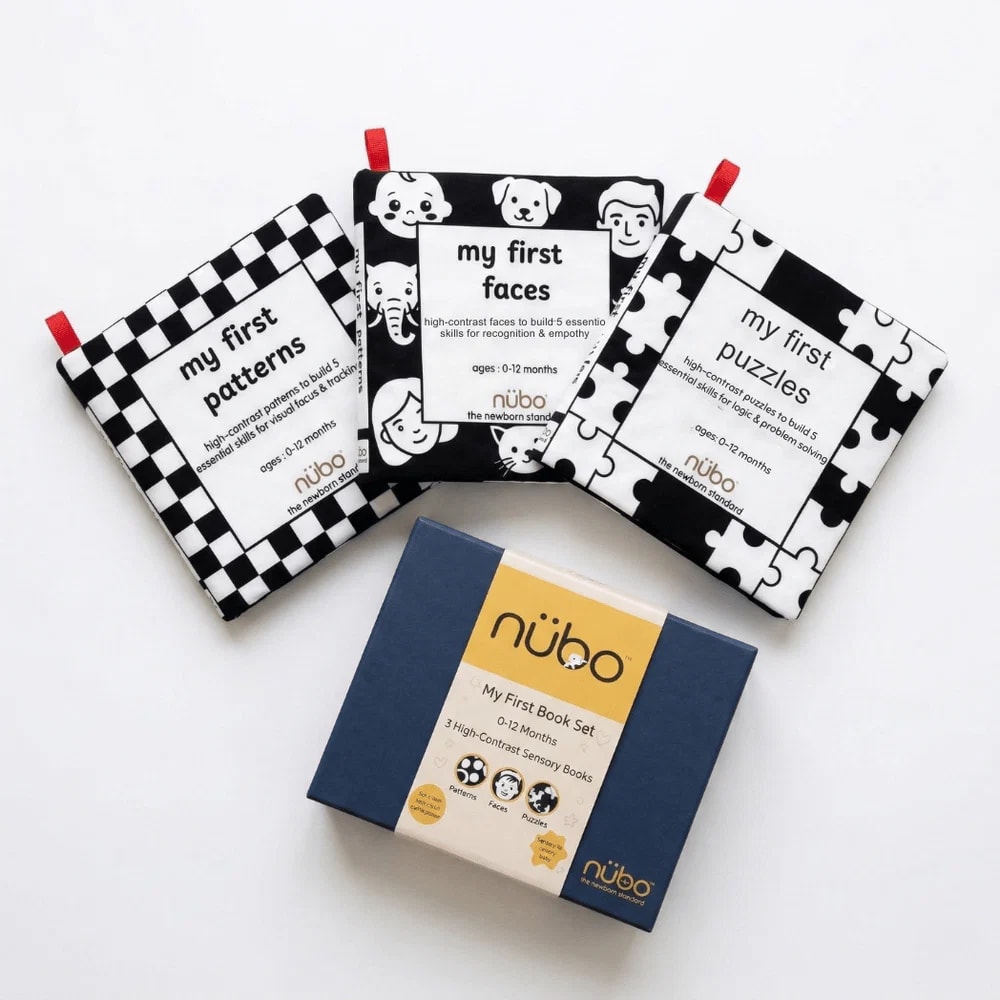
High Contrast Cloth Book Set
Soft, durable cloth books | High-contrast patterns for newborns | Ideal for tummy time bonding
₹549
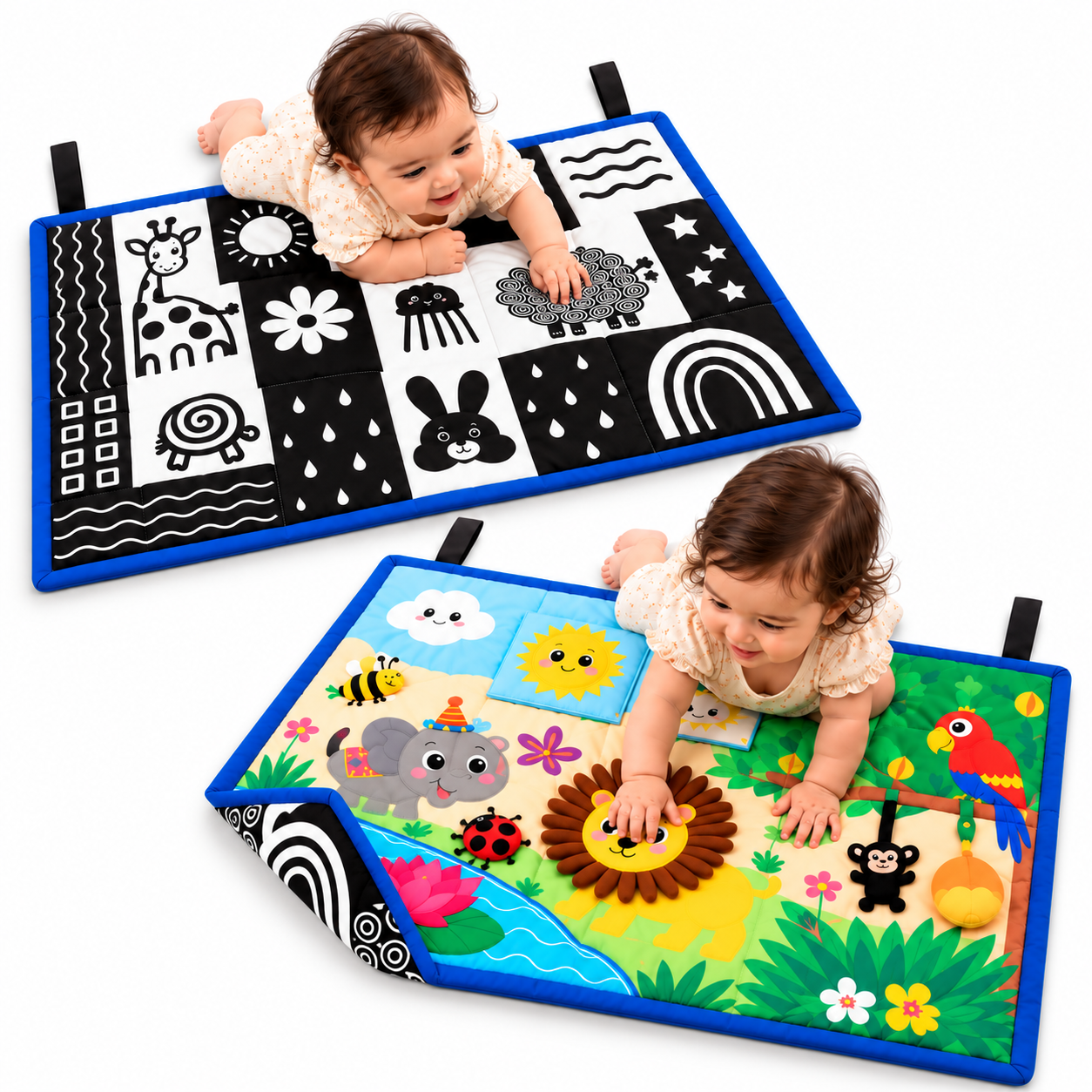
Sensory Baby Play Mat
Padded, engaging surface | 0–18 months | Supports tummy time, rolling, and motor development
₹999

Orbi Ball Silicone Sensory Teether
Textured exploration | BIS Certified | Supports grasping and oral motor development
₹599
FREQUENTLY ASKED QUESTIONS
Q: How long should newborn tummy time actually be?
A: For babies 0–3 months, start with 30 seconds to 2 minutes per session, 2–3 times daily. By 3 months, many babies tolerate 5–10 minutes. The goal is consistency and gradual increase, not hitting a specific target right away. Quality (bonding and engagement) matters more than quantity (duration).
Q: Is it normal for babies to hate tummy time at first?
A: Absolutely. Tummy time requires effort and feels unfamiliar to newborns. Resistance is developmentally normal and usually resolves within 1–2 weeks of patient, consistent practice. If your baby's crying is extreme or paired with feeding issues or fever, check with your pediatrician.
Q: Can high-contrast images really help with tummy time?
A: Yes. Research on infant visual development shows that newborns are drawn to high-contrast black-and-white patterns. Placing these images at eye level during tummy time gives babies a focal point, reduces boredom, and often reduces fussing. Many parents report a noticeable difference within days.
Q: What if my baby spits up during or after tummy time?
A: To minimize spit-up, wait at least 30 minutes after feeding before starting tummy time. Keep tummy time sessions gentle and short in the early weeks. If spit-up is severe or frequent, consult your pediatrician to rule out reflux or other digestive concerns.
Q: Should I practice tummy time every single day?
A: While daily practice is ideal, occasional breaks are fine. Consistency helps babies build familiarity and strength, but if you miss a day or two, there's no harm. The key is making tummy time a regular, expected part of your routine so it becomes familiar rather than shocking.
Q: Can I do tummy time on my chest instead of on the floor?
A: Absolutely. Chest-to-chest tummy time is an excellent introduction, especially for newborns who are very resistant. Your warmth, heartbeat, and scent create comfort while your baby still builds neck strength. Many babies who hate floor tummy time at first will tolerate (and even enjoy) chest time.
CONCLUSION
If your baby hates tummy time right now, take a breath — this phase is temporary. Newborns are designed to grow and adapt, and most babies who resist initially become comfortable within weeks. The key is starting small, staying patient, and creating positive associations through warmth, engagement, and high-contrast visuals that capture their attention.
Remember: every baby develops at their own pace. A little fussing is normal and doesn't mean your baby isn't thriving. By combining short, consistent sessions with tools like high-contrast cloth books, sensory play mats, and calming routines, you're giving your baby the gentlest path to building the neck and core strength they need for healthy development.
Keep showing up with warmth and consistency. Within weeks, tummy time will shift from something your baby dreads to something they explore and enjoy.


leave a comment
This site is protected by hCaptcha and the hCaptcha Privacy Policy and Terms of Service apply.