
Quick Answer
Auditory play calms teething pain. Soothing sounds activate the parasympathetic nervous system (your baby's calm mode), reduce stress hormones, and distract from gum discomfort. Chanting and rhythmic sounds are especially effective because they mirror heartbeat patterns babies heard in the womb.
The Surprising Brain Science Behind Soothing Sounds
Your newborn's brain isn't a blank slate—it's already wired to respond to sound. Here's what might surprise you: a teething baby's nervous system is actually hyperactive, flooded with cortisol (a stress hormone) and discomfort signals from inflamed gums. Sound, when used strategically, can flip a switch.
Research published in developmental neuroscience journals shows that rhythmic auditory stimulation activates the parasympathetic nervous system—the body's natural "rest and digest" mode. Think of it this way: when your baby is in pain, their sympathetic nervous system (fight-or-flight) is in overdrive. Soothing sounds gently shift them into parasympathetic activation, where heart rate slowers, breathing deepens, and cortisol levels drop.
Even more fascinating? The parts of the brain that process sound (the auditory cortex and structures like the superior temporal gyrus) are among the first sensory pathways to fully mature in newborns. Your baby can hear and respond to auditory cues within hours of birth—long before their vision or touch discrimination fully develops.
What this means for your baby: Teething relief isn't just about numbing the gum. It's about calming the entire nervous system. Auditory play taps into one of your baby's most mature sensory pathways, making it one of the fastest ways to shift their emotional state from distress to calm.
Why Chanting and Rhythmic Sounds Work Better Than White Noise

Not all sounds are created equal. While white noise (like a fan) can mask environmental stimuli, chanting and rhythmic sounds do something much more powerful: they entrain your baby's nervous system.
Entrainment (a term from neuroscience) means that your baby's heart rate, breathing, and brainwave patterns begin to synchronize with the rhythm they're hearing. When you play a steady, repetitive chant or melody, your baby's body naturally starts to sync with that rhythm. This is why lullabies have been used across cultures for thousands of years—they literally reshape your baby's physiology in real-time.
Chanting is particularly effective because it combines rhythm, pitch variation, and predictability—three elements that calm the infant brain. The predictable pattern of a chant tells your baby's brain: "This is safe. I know what comes next." That sense of control and predictability is deeply soothing to the developing brain.
Additionally, chanting frequencies in certain ranges (like the deep, grounding tones in traditional mantras) have been shown in sensory research to activate the vagus nerve—a key structure in the parasympathetic pathway. The vagus nerve runs from your brain stem to your gut and heart, and when stimulated, it literally turns down inflammation and pain signaling.
What this means for your baby: When your teething newborn hears a steady, rhythmic chant, their body isn't just distracted—it's being neurologically guided into a calmer state. This is why a chanting baby Ganesha toy can be more effective than simply playing random melodies.
THE NEUROSCIENCE OF CULTURAL RITUALS: Why Ganesha Chanting Matters
Many Indian families have used chanting and devotional sounds for generations, often without fully understanding the neuroscience behind them. What grandmother knew intuitively, modern brain imaging is now confirming: cultural rituals activate specific neural pathways associated with calm and bonding.
The chanting of sacred names or mantras isn't magic—it's applied neuroscience wrapped in cultural wisdom. When a baby hears a familiar, regularly repeated sound (like a Ganesha chant), several things happen in the brain:
- Pattern recognition: Your baby's brain loves patterns. Repetition creates neural pathways associated with safety and familiarity.
- Emotional association: If chanting is paired with calm caregiving moments (feeding, holding), your baby associates that sound with comfort and security.
- Ancestral resonance: When a sound has been used in your family or culture for generations, your baby's brain may respond even more strongly—there's emerging research on how cultural familiarity shapes infant responses to sensory stimuli.
Introducing your teething baby to cultural traditions like Ganesha chanting isn't just about identity—it's about giving your baby's nervous system tools rooted in centuries of observation about what actually calms infant distress.
What this means for your baby: A chanting toy that plays traditional Indian devotional sounds isn't novelty—it's heritage-backed sensory support. Your baby's brain responds to the rhythm, pitch, and predictability of the chant, while simultaneously building a bridge to their cultural roots.
WHAT THE RESEARCH SAYS: Auditory Stimulation and Pain Perception
Studies in pediatric pain management journals consistently show that auditory distraction and soothing sounds reduce pain perception in infants. Here's what the evidence tells us:
| Research Finding | What It Means for Teething |
|---|---|
| Rhythmic sounds lower cortisol (stress hormone) in newborns | Teething pain is amplified by stress. Soothing sounds reduce the stress response, making pain feel less intense. |
| Auditory input activates the vagus nerve | Vagal stimulation reduces inflammation and activates the body's natural pain-relief pathways. |
| Infants show increased parasympathetic tone (calm state) during music or chanting | Your baby's heart rate stabilizes, breathing slows, and they enter a state where sleep and comfort are more achievable. |
| Familiar sounds create stronger neural response than novel sounds | Regularly playing the same soothing sounds trains your baby's brain to recognize them as safety cues. |
One key takeaway: auditory soothing works best when it's consistent and predictable. A toy or recording your baby hears regularly will be more effective than a one-time exposure.
WHAT PARENTS CAN DO: Practical Steps to Support Auditory Play
Understanding the science is helpful, but how do you actually use this knowledge? Here's a practical roadmap:
1. Introduce Auditory Play Early
You don't need to wait until teething starts (around 4–6 months). Begin exposing your newborn to calm, rhythmic sounds from birth. This builds neural pathways for soothing and creates familiarity long before pain arrives.
2. Create a Sensory Routine
Pair auditory play with other calming rituals. For example, during tummy time or floor play on a sensory play mat, play soft chanting or soothing melodies. Your baby's brain will begin to associate these sounds with focused, calm engagement.
3. Use a Dedicated Auditory Toy
A chanting baby Ganesha toy serves as both a sensory object and an auditory tool. The predictable sound, combined with the tactile experience of holding the toy, creates a multi-sensory soothing experience—more effective than sound alone.
4. Match Auditory Play with Tactile Teething Relief
Combine soothing sounds with physical teething support. While your baby listens to calming chants, offer a silicone teether like the Orbi Ball Silicone Sensory Teether. This engages multiple sensory pathways at once—audio, touch, and proprioception (awareness of their own movements)—for maximum soothing.
5. Keep Sessions Short and Consistent
Your newborn's attention span is limited. Play soothing sounds for 5–10 minutes at a time, but do it regularly—ideally at the same time each day (like before nap time or bedtime). Consistency trains the brain faster than intensity.
6. Watch for Overstimulation
Even soothing sounds can become overwhelming. If your baby shows signs of fatigue (rubbing eyes, yawning, turning away), pause the auditory input and transition to quiet time. The goal is calm, not exhaustion.
SUPPORTING EARLY SENSORY DEVELOPMENT BEYOND TEETHING
Auditory play isn't just for teething relief. It's part of your baby's broader sensory development. During the newborn to 12-month window, your baby is building the neural foundations for language, emotional regulation, and social bonding—all of which depend on healthy auditory processing.
Sound pathways developed during infancy remain strong throughout life. When you expose your baby to rich, varied auditory input—lullabies, chants, nature sounds, voices—you're literally sculpting the neural architecture for their future ability to process language, recognize music, and regulate emotion.
This is why pairing auditory play with high-contrast cloth books or other sensory tools creates a comprehensive early-learning environment. Your baby engages with sound while simultaneously processing visual information, touch, and narrative—layers of sensory input that accelerate brain development.
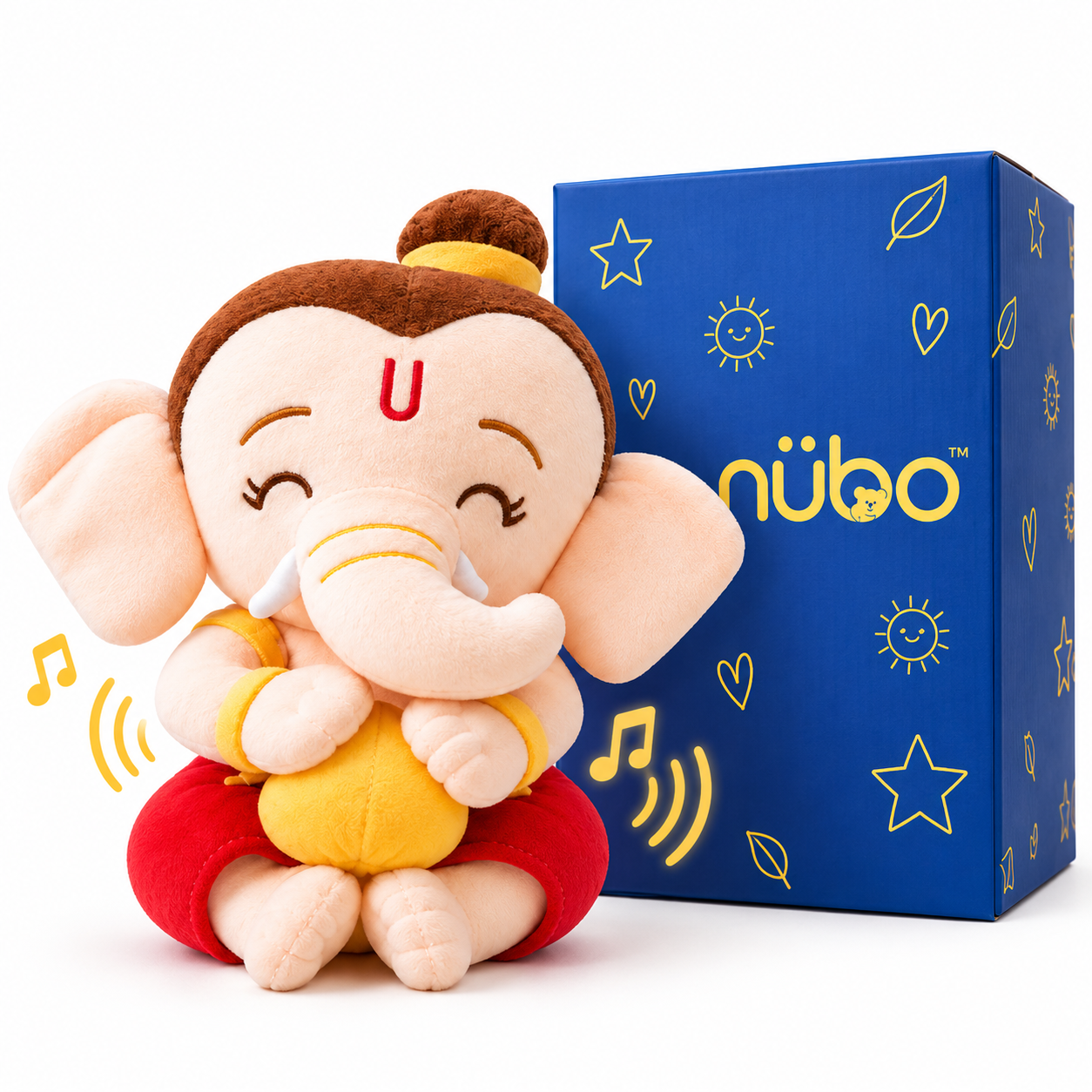
Chanting Baby Ganesha Toy
Sensory auditory stimulation | Soothing Indian chanting | 0–24 months
₹999
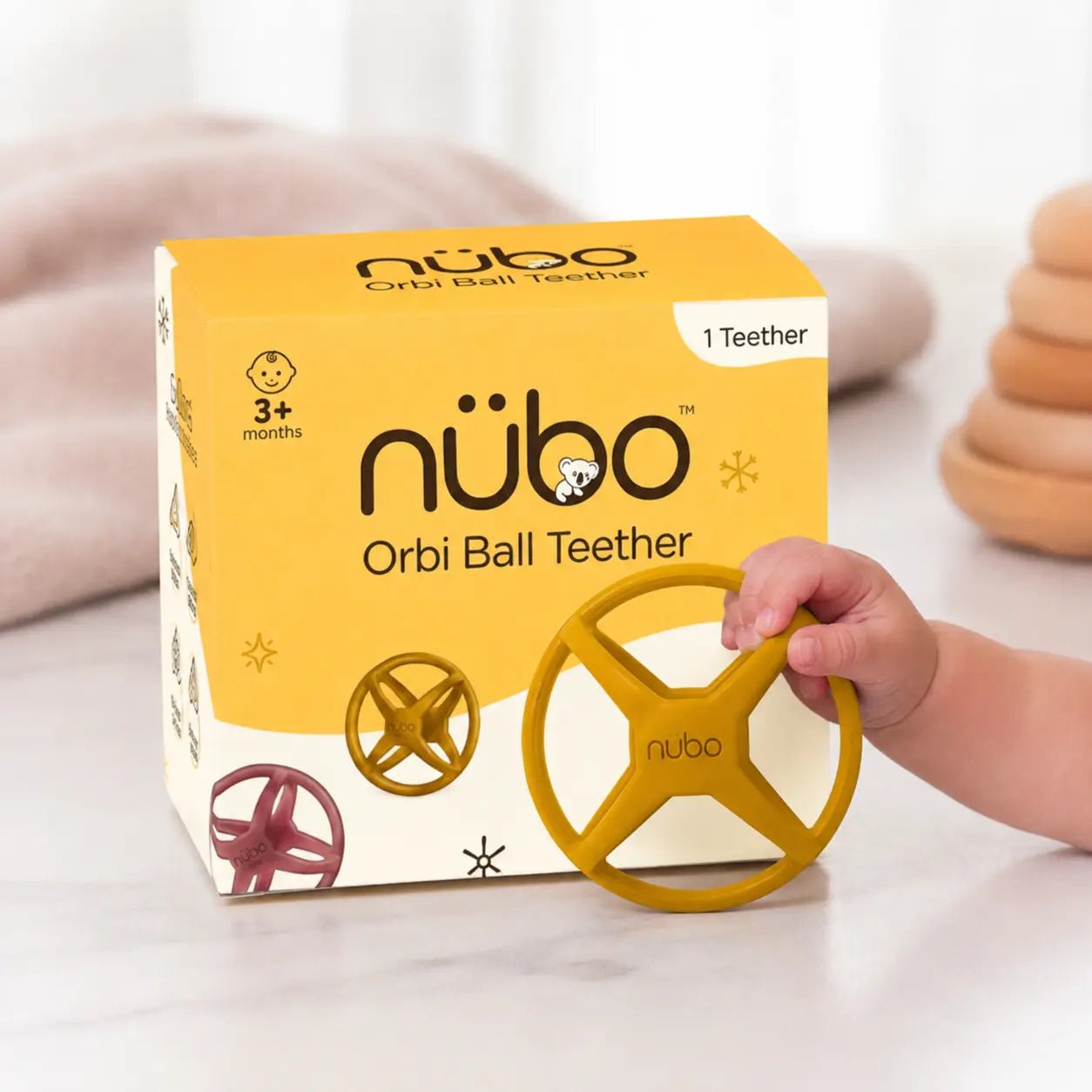
Orbi Ball Silicone Sensory Teether
BIS Certified silicone | Textured sensory exploration | Teething relief
₹599
FREQUENTLY ASKED QUESTIONS
Q: At what age can I start using auditory play for teething?
A: You can introduce soothing sounds from birth, but teething typically begins around 4–6 months. Start early to build familiarity with the sounds, so when teething discomfort arrives, your baby's brain already recognizes the sounds as a safety cue. Early exposure accelerates the calming response.
Q: Is auditory play safe? Can loud sounds harm my baby's hearing?
A: Yes, auditory play is safe when volume is kept at conversational levels (around 50–70 decibels—similar to normal talking). Avoid sudden loud sounds and extended exposure to anything above 85 decibels. Soft, rhythmic chanting or gentle melodies are ideal. Always supervise play with sound-producing toys.
Q: Can auditory play replace other teething relief methods?
A: No. Auditory soothing works best as part of a multi-sensory approach. Combine it with cold (or room-temperature) silicone teethers, gentle gum massage, and comfort from caregiving. Sound soothes the nervous system, but your baby also needs tactile relief for the physical discomfort of erupting teeth.
Q: Why is chanting more effective than other music for teething babies?
A: Chanting typically has a steady, predictable rhythm that entrains the nervous system (synchronizes your baby's physiology with the sound pattern). The repetitive nature and often-deeper tones also stimulate the vagus nerve, which activates pain-relief pathways. Music with varying tempos or unexpected changes can be stimulating rather than calming.
Q: How long should I play auditory soothing sounds each day?
A: There's no strict rule, but 5–15 minutes at a time, 1–3 times daily, is a good starting point. Watch your baby for signs of engagement or fatigue. If they seem calm and focused, continue. If they're overstimulated or tired, pause. Consistency matters more than duration—regular exposure trains the nervous system faster than longer, infrequent sessions.
Q: Is there scientific evidence that Indian cultural sounds like Ganesha chanting help teething specifically?
A: While direct studies on Ganesha chanting and teething are limited, broader research confirms that rhythmic, culturally familiar sounds reduce stress and pain perception in infants. The chanting of sacred names has been used in Indian traditions for generations, and modern neuroscience validates why: rhythm, predictability, and cultural familiarity all activate parasympathetic (calming) pathways in the infant brain.
CONCLUSION
Teething doesn't have to be purely a physical challenge. By understanding the neuroscience of auditory play, you can support your baby's nervous system in ways that feel both ancient and evidence-based. Soothing sounds activate the pathways in your baby's brain responsible for calm, reduce stress hormones, and shift their physiology from pain-focused to regulation-focused.
Whether you're using a cultural tool like a chanting Ganesha toy or simply humming a familiar lullaby, you're engaging one of your baby's most mature sensory systems. Pair auditory soothing with tactile teething relief, consistency, and plenty of loving presence—and you'll have a toolkit that supports both your baby's immediate comfort and their long-term sensory development.
Your baby's nervous system is learning how to regulate itself. With thoughtful auditory play, you're teaching them that calm is always within reach. For a deeper dive into evidence-based teething support, explore our guide on the science behind why babies chew and what actually helps, or learn more about choosing teething toys with calming sensory colors.


leave a comment
This site is protected by hCaptcha and the hCaptcha Privacy Policy and Terms of Service apply.