
Quick Answer
Silicone teethers are soft, safe, and easy to clean. They're designed to soothe sore gums from 3–4 months onward, can be chilled (not frozen) for extra relief, and are made from food-grade silicone free of BPA or harmful chemicals. Many parents find them a go-to choice for infant teething relief.
WHY SILICONE TEETHERS MATTER FOR YOUR BABY
When your baby starts teething—usually around 3 to 4 months, though every baby is different—they're seeking ways to ease the pressure and discomfort on their gums. A newborn teether isn't just a toy; it's a tool that helps your little one self-soothe during a sometimes uncomfortable developmental stage.
Silicone has become the material of choice for many parents and experts because of its unique combination of safety, durability, and sensory benefits. Silicone teethers are soft enough not to damage emerging teeth and gums, yet firm enough to provide meaningful relief. Unlike rubber or plastic alternatives, high-quality silicone is non-toxic, hypoallergenic, and designed to withstand daily use and cleaning.
This guide walks you through everything you need to know about choosing and using infant teethers—so you can feel confident, informed, and ready to support your baby through this milestone.
THE KEY BENEFITS OF SILICONE TEETHING TOYS
Gentle on Developing Gums: Silicone is soft enough to be kind to tender, swollen gums without being too fragile. Unlike hard plastic or wood, it won't cause injury if your baby bites down with force. Many experts suggest that this gentleness is why silicone teething products are recommended by pediatricians worldwide.
Easy to Sanitize: One of the most underrated perks? Cleanup is genuinely simple. Silicone teethers can be washed in warm soapy water, placed in the dishwasher, or even sterilized by boiling (check your product's instructions). This makes life easier for busy parents who are managing teething alongside everything else.
Temperature Flexibility: You can place a silicone teether in the refrigerator for 15–20 minutes to offer cooling relief—which many babies find soothing. The material doesn't become brittle when chilled, unlike rubber. Never freeze it solid, as this can damage the material and pose a safety risk.
Supports Sensory Development: Silicone teether toys come in varied textures, shapes, and sizes. This tactile variety stimulates your baby's sense of touch, supporting early sensory play and mouth awareness. Ridged surfaces, smooth sections, and different thicknesses all contribute to a richer developmental experience.
SAFETY FIRST: WHAT MAKES A SILICONE TEETHER SAFE
Every parent's first question is: "Is this safe for my baby?" It's a fair one. When you're shopping for a silicone teether safe for baby, here's what to prioritize.
Food-Grade Silicone: Look for teethers made from food-grade silicone, not industrial-grade. Food-grade silicone is rigorously tested and certified to be non-toxic if ingested. It doesn't contain BPA, phthalates, PVC, or other harmful chemicals that can leach into your baby's mouth.
BIS Certification: In India, products bearing a BIS certified teether mark have undergone safety testing and compliance checks. This certification is your assurance that the product meets national safety standards for infant use. Always check for this mark on packaging or product descriptions.
No Small Parts: Ensure the teether is one solid piece with no buttons, beads, or detachable parts that could become choking hazards. The entire infant teether should be large enough that it can't fit completely inside your baby's mouth.
No Liquids Inside: Avoid teethers filled with gel or water. If the outer layer tears (which can happen with heavy use), the contents could leak into your baby's mouth. Solid silicone designs are safer and more durable.
TYPES OF SILICONE TEETHERS: WHICH ONE IS RIGHT FOR YOUR BABY?
Not all teethers are created equal. As your baby grows and develops, different styles can meet different needs. Here's a quick breakdown:
| Teether Type | Best For | Why It Works |
|---|---|---|
| Ring Teether | 3–6 months | Easy to grab, sized for small hands. A teething ring is lightweight and provides focused gum pressure on one area. |
| Sensory / Textured Teether | 4–8 months | Multiple textures stimulate touch and exploration. Ridges and bumps provide varied relief and sensory feedback. |
| No-Drop / Attached Teether | 3–9 months | Tethered to clothing or a clip, reducing the "drop and repeat" game. Especially helpful on outings. |
| Dual-Sided Teether | 5+ months | One side soft, one side textured. Offers variety and lets baby experiment with different sensations. |
Most parents find that having 2–3 different teethers on rotation works best. Your baby's preferences may shift week to week, and variety keeps their interest high while distributing wear across multiple products.
QUICK TIPS FOR PARENTS
- Introduce Early: Even if your baby isn't teething yet, introducing a newborn teether at 2–3 months helps them get used to the object and supports oral exploration.
- Offer Variety: Rotate between different teething toys to keep your baby engaged and prevent boredom. Different shapes and textures appeal at different times.
- Chill, Don't Freeze: Place your silicone teether in the refrigerator (not freezer) for 15–20 minutes before offering it. This adds cooling relief without damaging the material.
- Keep It Clean: Wash your teether daily with warm soapy water or in the dishwasher. After several months of use, inspect for cracks or tears and replace if needed.
- Supervise Always: Even though silicone teethers are designed to be safe, always supervise your baby during teething play. Never leave them unattended with any toy.
- Watch for Signs of Teething: Drooling, swollen gums, gnawing, and slight fever are common. If your baby seems in severe pain or has a high fever, consult your pediatrician.
SILICONE TEETHERS MADE IN INDIA: SUPPORTING LOCAL
If you're looking for quality best teether for baby in India or made in india teether options, there's a growing range of locally designed and manufactured silicone teethers that meet international safety standards.
Choosing a best infant teethers option that's designed locally means you're often supporting smaller businesses that prioritize safety and sustainability. Many made in india teether brands now offer BIS certification and use food-grade silicone sourced responsibly.
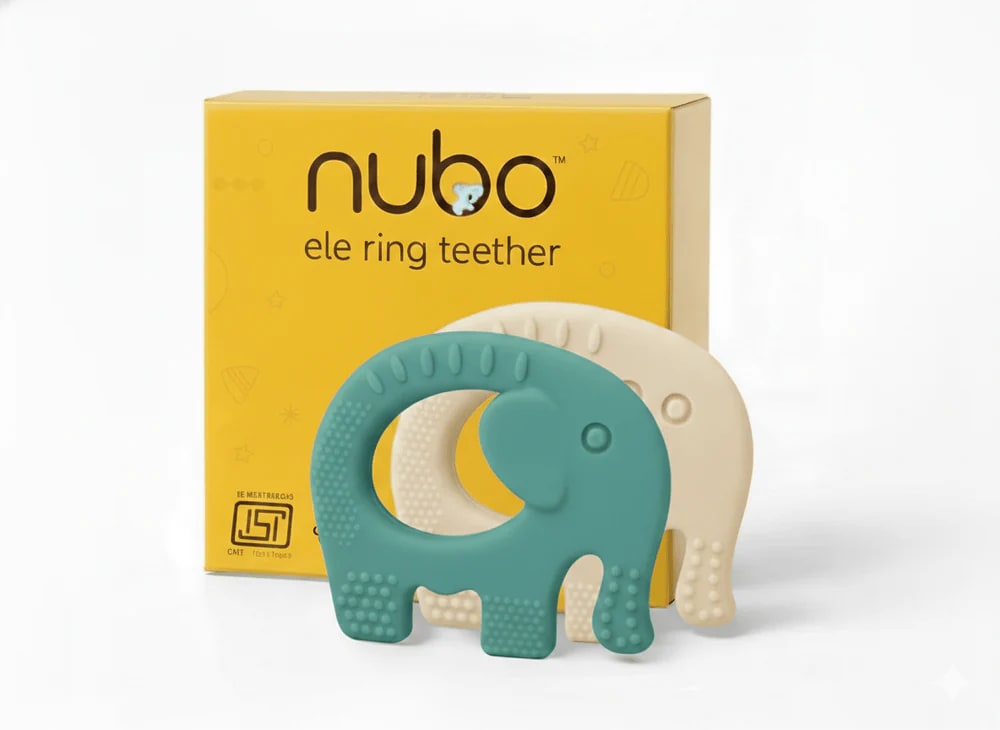
Nubokind, for example, designs silicone teether products inspired by Montessori principles, focusing on both safety and sensory development. Products like the Kiko No-Drop Newborn Teether (₹449) or the Orbi Ball Silicone Sensory Teether (₹599) combine effective teething relief with thoughtful design—all while keeping affordability in mind for Indian families.

CHOOSING THE BEST TEETHER FOR YOUR BABY: A CHECKLIST
When you're standing in front of a shelf (or scrolling online) wondering which teething toys to choose, use this simple checklist:
- ✓ Food-grade silicone (non-toxic, no BPA)
- ✓ BIS certification or equivalent safety mark
- ✓ No small detachable parts
- ✓ Appropriate size for your baby's age and grip strength
- ✓ Varied textures that offer sensory stimulation
- ✓ Easy to clean (dishwasher or boil-safe)
- ✓ Durable design that won't tear or degrade with chewing
If a product checks most of these boxes, you're likely looking at a quality infant teether that will support your baby through this developmental stage.
COMBINING TEETHERS WITH OTHER DEVELOPMENTAL TOOLS
Teething is just one part of your baby's early development. Many parents pair teethers with other sensory and cognitive tools to create a well-rounded early learning environment. High-contrast visuals, cloth books, and sensory play all complement the tactile relief of a silicone teether.
For example, you might offer your baby a teether during tummy time, then follow up with a cloth book for visual exploration. Or use a teething ring in one hand while they hold a textured cloth in the other. This multi-sensory approach supports gross and fine motor development alongside teething relief.
FREQUENTLY ASKED QUESTIONS
Q: At what age can I introduce a silicone teether?
A: You can offer a newborn teether as early as 2–3 months to support oral exploration, even if your baby isn't teething yet. Most babies show signs of teething (drooling, gnawing) around 3–6 months, but introducing the teether earlier helps them become familiar with it.
Q: Is a BIS certified teether really necessary?
A: BIS certification is India's national safety mark and indicates that a product has been tested for safety standards. While not every quality teether will have BIS certification (especially imports), it's a strong indicator of safety compliance. Always look for food-grade silicone and reputable brands, even if BIS certified isn't listed.
Q: Can I freeze a silicone teether?
A: No—never freeze a silicone teether solid. Extreme cold can damage the material's integrity and create weak points. Instead, refrigerate it for 15–20 minutes. This offers gentle cooling relief that most babies find soothing without compromising safety.
Q: How often should I replace my baby's silicone teether?
A: With proper care, a quality silicone teether can last 6–12 months or longer. Inspect it regularly for cracks, tears, or discoloration. If you notice any damage, or if it starts to degrade, replace it. Most parents rotate 2–3 teethers, which extends the life of each one.
Q: What's the difference between a ring teether and a sensory teether?
A: A ring teether or teething ring is typically simpler in design—usually just a curved or circular shape that's easy to grip. A sensory teether has multiple textures, bumps, and varied surfaces to stimulate touch and exploration. Both offer relief; sensory teethers add developmental benefit through varied tactile input.
Q: Are there any cases where silicone teethers aren't recommended?
A: Silicone teethers are generally safe for all babies from 3 months onward. However, if your baby has a documented silicone sensitivity (extremely rare) or a known oral condition, consult your pediatrician. Always supervise teething play, and if your baby shows signs of severe discomfort beyond typical teething, seek medical advice.
CONCLUSION
Choosing a silicone teether for your baby is one of those decisions that feels overwhelming at first—but becomes simple once you understand what to look for. Food-grade silicone, safety certification, durability, and ease of cleaning are your core criteria. Beyond that, it's about finding a shape and texture your baby enjoys.
Teething is a temporary phase, but the relief and comfort you can offer during it matters. A quality infant teether is an affordable, simple tool that supports your baby's development while giving them (and you) a smoother transition through this milestone.
Whether you're drawn to locally made options or internationally recognized brands, the best teether for your baby is one that's safe, clean, and regularly offered during those sore-gum moments. Start with one or two newborn teethers, observe what your baby prefers, and expand your collection based on their needs.
You've got this. Your thoughtfulness in researching teethers shows you're already the kind of parent who shows up for your baby's comfort and development. That's what matters most.


%20for%20extra%20relief,%20and%20are%20made%20from%20foo...)
leave a comment
This site is protected by hCaptcha and the hCaptcha Privacy Policy and Terms of Service apply.