
Quick Answer
Real parents prioritize three core things: Material safety (BIS certification, non-toxic silicone), ease of cleaning, and developmental fit for their baby's age. Most also consider durability and how the toy engages their child's senses.
Why Parents Care About Baby Toy Safety (More Than You Might Think)
When you're a first-time parent, choosing toys feels like you're making a decision that will shape your baby's future. That's not entirely wrong—but it's also not as complicated as it feels. What matters most is knowing what to look for, not being paralyzed by every possible risk.
Real parents tell us they want toys that are certified safe, easy to keep clean, and actually suited to their baby's age. They're not looking for perfect; they're looking for honest information and products that don't demand constant vigilance. After all, parenting is demanding enough.
The good news? The basics are straightforward. When you understand what real families prioritize, choosing safe toys becomes a practical task, not an anxiety spiral.
Material Quality: What Real Parents Tell Us They Check First
Silicone and natural rubber are the materials parents ask about most. Why? Because they're durable, dishwasher-safe, and free from harmful chemicals like BPA and phthalates. When a parent picks up a toy, they're often asking: "Is this going to hold up? Can I clean it easily?"
Many parents mention they look for BIS certification or equivalent safety standards. This tells them the product has been tested and meets safety requirements—not that it's never going to pose any risk (nothing in parenting is risk-free), but that a third party has verified its basic safety standards.
One parent shared: "I was overthinking it until I realized—I just needed to check the materials, read reviews from other parents, and make sure I could actually clean it in my dishwasher. Once I knew that, I felt so much calmer."
Ease of Cleaning: A Feature That Matters More Than You'd Expect
Here's something toy companies don't always highlight: parents absolutely care about how easy a toy is to clean. When your baby is drooling, exploring, and sometimes dropping toys on the floor, the ability to quickly sanitize is non-negotiable.
Silicone toys that are dishwasher-safe are a game-changer for busy families. One parent noted: "I have maybe five minutes on a good day. If I can't throw it in the dishwasher, it's not happening." That's not lazy parenting—that's realistic parenting.
Toys with crevices, batteries, or small parts that can't be cleaned easily often end up unused, no matter how great they are on paper. Simpler design often equals better use in real homes with real babies.
Developmental Fit: Matching Toys to Your Baby's Age and Stage
Newborns see the world very differently than 3-month-olds, who experience it differently than 6-month-olds. High-contrast visuals work brilliantly for newborns—black, white, and bold patterns capture their developing vision. By 3 months, babies are reaching and grasping more intentionally, so textured silicone teethers make sense.
Real parents tell us they appreciate when toys are designed specifically for developmental stages. As one parent shared: "The high-contrast cards were perfect for when she was in that newborn phase, but now at 4 months, she wants to grab and mouth everything. We needed toys designed for that stage."
| Age / Stage | What Babies Are Doing | Best Toy Features |
|---|---|---|
| Newborn – 6 weeks | Focusing on light and shapes; limited tracking | High-contrast visuals; minimal stimulation |
| 6 weeks – 3 months | Tracking motion; starting to bat at objects | Contrast books; high-contrast flashcards |
| 3–6 months | Intentional grasping; mouthing everything | Textured teethers; safe silicone shapes |
| 6+ months | Transfer objects between hands; teething intensifies | Multi-textured teethers; sensory variety |
Many parents mention that toys designed with Montessori principles—simple, purposeful, non-overstimulating—reduce the feeling of toy clutter while actually engaging their baby more deeply.
Real Parent Experiences: What Families Are Actually Using
Rather than guess what works, let's hear from parents who've already made these choices.
On Silicone Teethers for Early Teething
Varuni Gupta | Verified Parent
perfect teether for babies
My baby can easily hold and use it without much help from me, also the teether is very safe which makes it a perfect teether
On High-Contrast Books for Newborns
Priya S., Bangalore | Verified Parent
"During those early weeks, I felt like I wasn't doing enough. Reading these cloth books during tummy time felt interactive and calming. My son would actually focus on them—I could see it in his eyes. It's not fancy, but it works."
On Multi-Piece Teether Sets
Ritu Dhanda | Verified Parents
"The high contrast black and white images grab my baby's attention and keep engaged."
What these parents have in common: They're not looking for toys that do everything. They want straightforward products that do one thing well, are easy to keep clean, and match their baby's actual developmental stage.
Quick Tips for Parents: Making Smart Toy Choices
- Check for certification: Look for BIS certification or equivalent safety standards. It's not a guarantee, but it's a verified baseline.
- Prioritize materials you recognize: Medical-grade silicone, natural rubber, organic cotton—if you can pronounce and understand it, you're on the right track.
- Test the cleaning ease: If you can't easily clean it or it has unreachable crevices, it will end up in the back of a drawer. Be realistic about your time.
- Match the toy to the age: A beautiful teether is pointless for a newborn who can't grasp it yet. High-contrast books are wasted on a 6-month-old who wants to chew.
- Buy fewer toys, more thoughtfully: One well-designed teether that gets used daily is better than five toys that collect dust because they're hard to clean or don't suit your baby's stage.
- Trust parent reviews, but remember context: A parent's experience is real, but it's also shaped by their baby's preferences, age, and specific situation. Read reviews for patterns, not perfection.
Building a Practical Toy Collection for Your Newborn
Here's the truth: you don't need many toys. Babies are endlessly fascinated by their hands, your face, and high-contrast patterns. Start small and add intentionally as your baby grows.
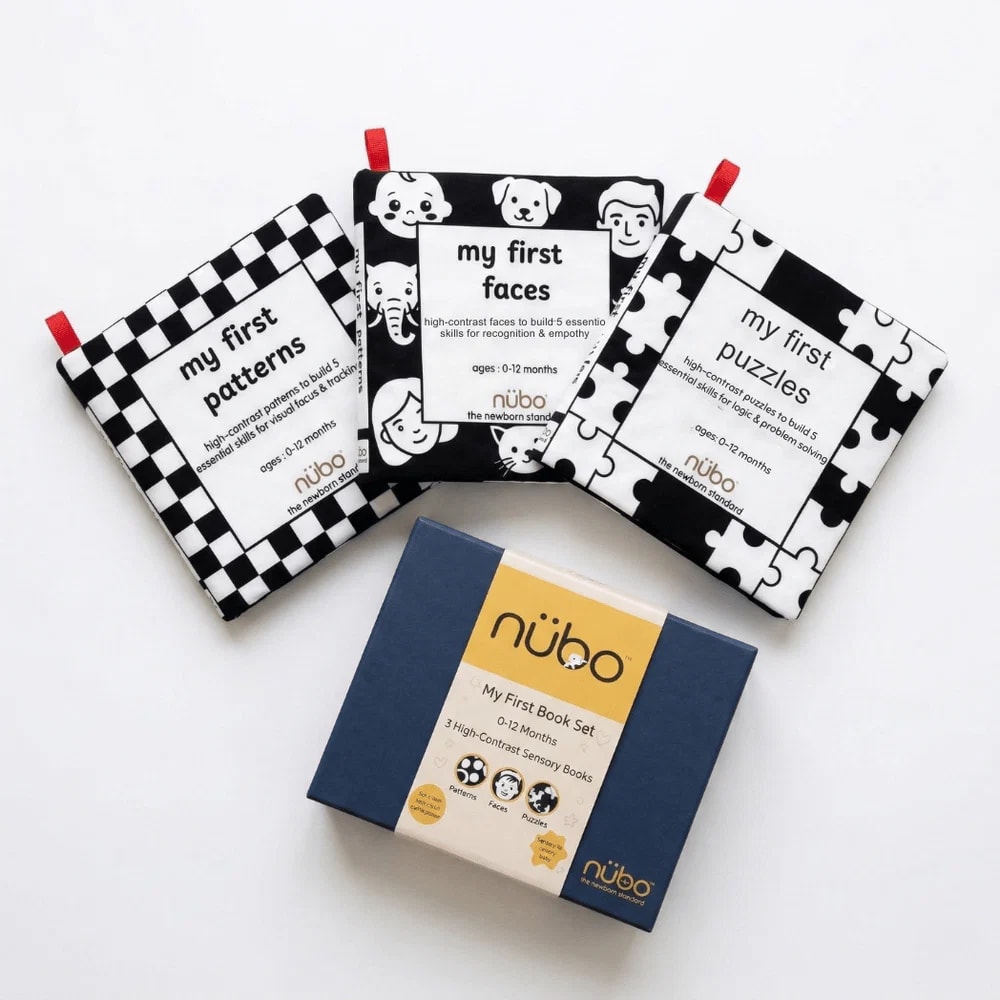
For newborns (0–3 months), focus on visual development. High-contrast materials, simple flashcards, and cloth books designed for early visual tracking are the foundation. Many parents describe these as "calming for them and me"—they provide a shared, quiet moment.
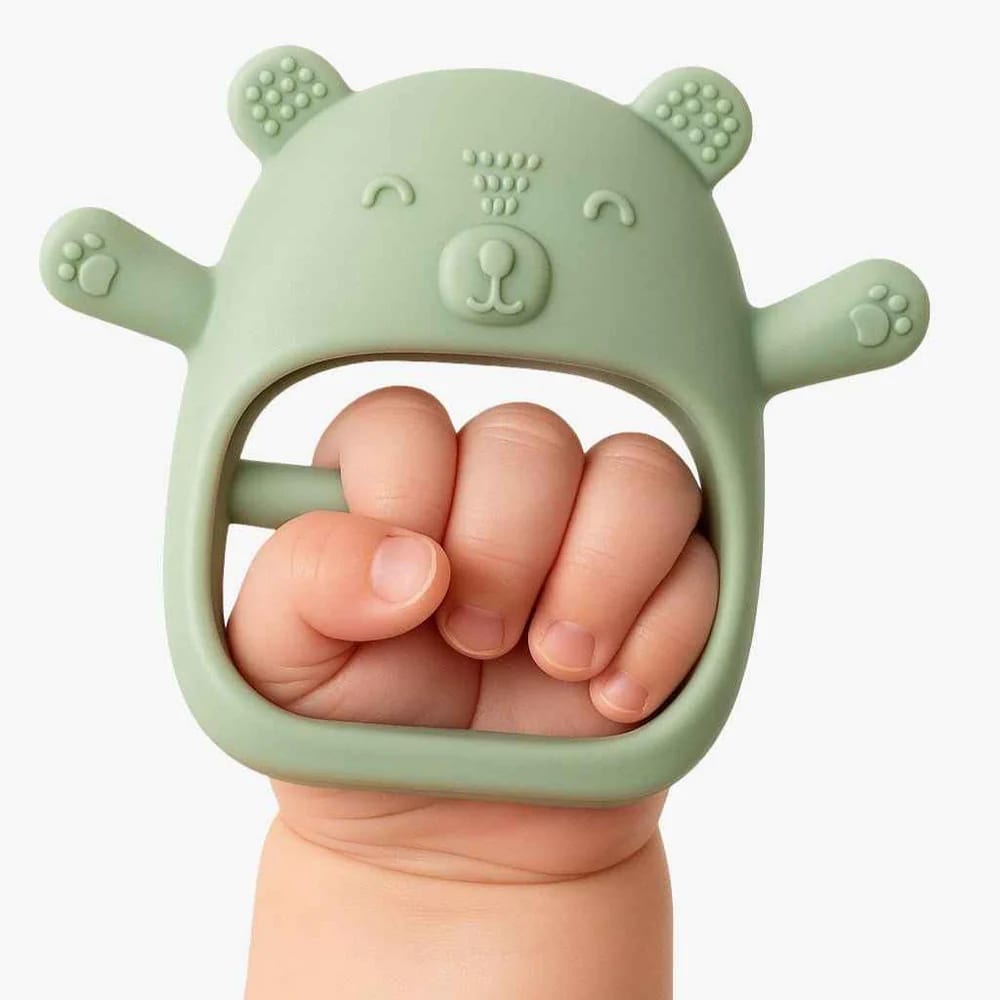
Around 3 months, when grasping becomes more intentional, introduce textured silicone teethers. The beauty of silicone is that it's soft enough not to hurt emerging gums, firm enough to provide satisfying feedback, and incredibly easy to sterilize. Parents consistently mention these as go-to items.
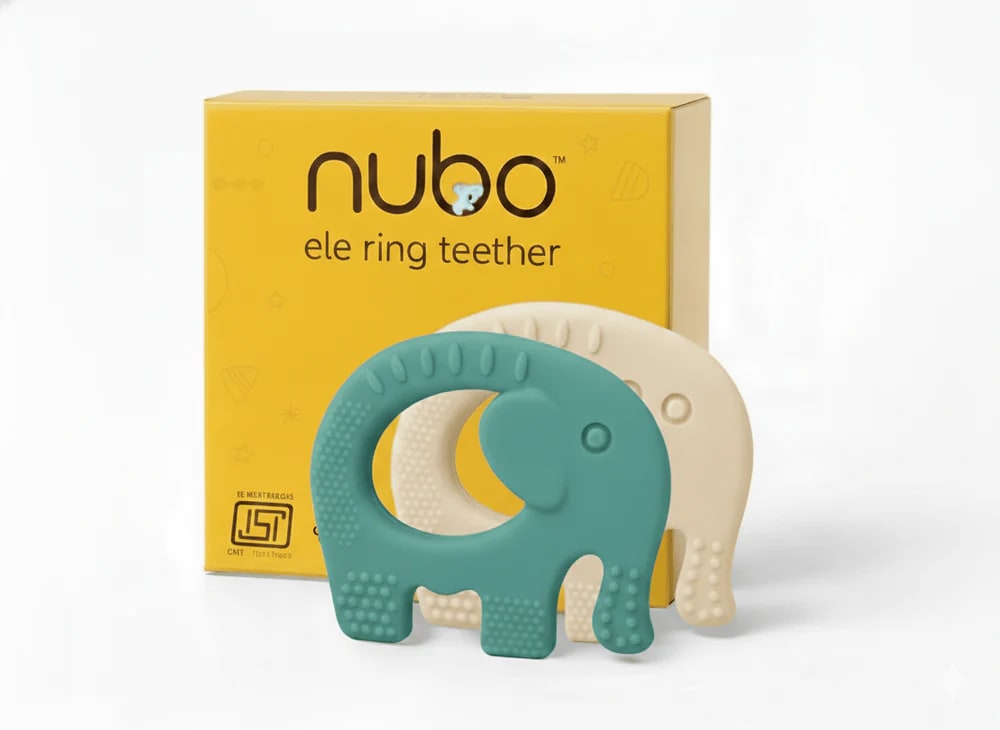
By 4–6 months, sensory variety becomes more engaging. Multi-textured teethers let babies explore different surfaces, which supports fine motor development and keeps them interested longer. Parents appreciate having a set rather than a single piece—it means backup when one is being washed or frozen.
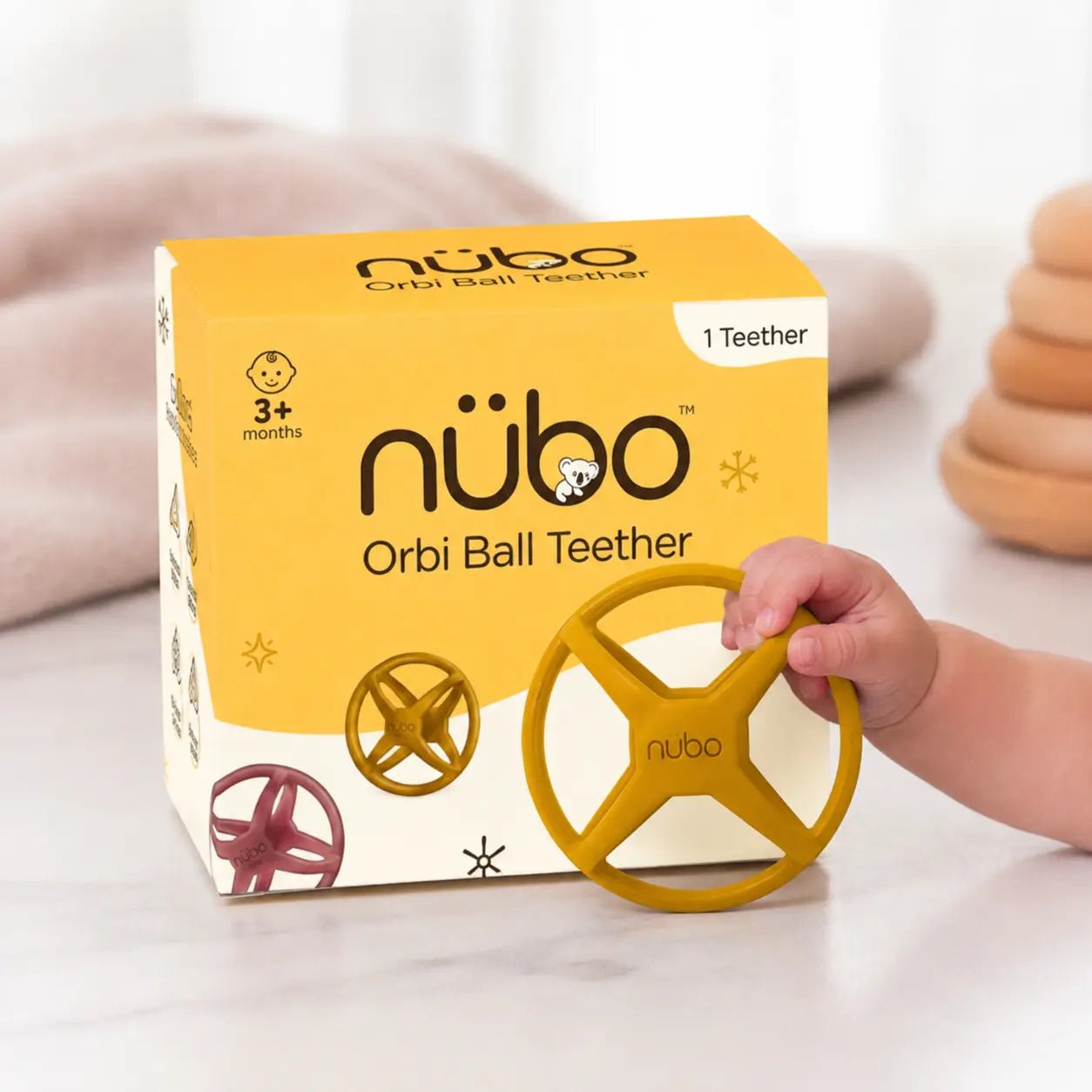
The key to a practical collection is intentionality over quantity. A carefully chosen newborn gift kit that includes both visual and tactile elements covers multiple developmental bases at once, without overwhelming your space or your decision-making.
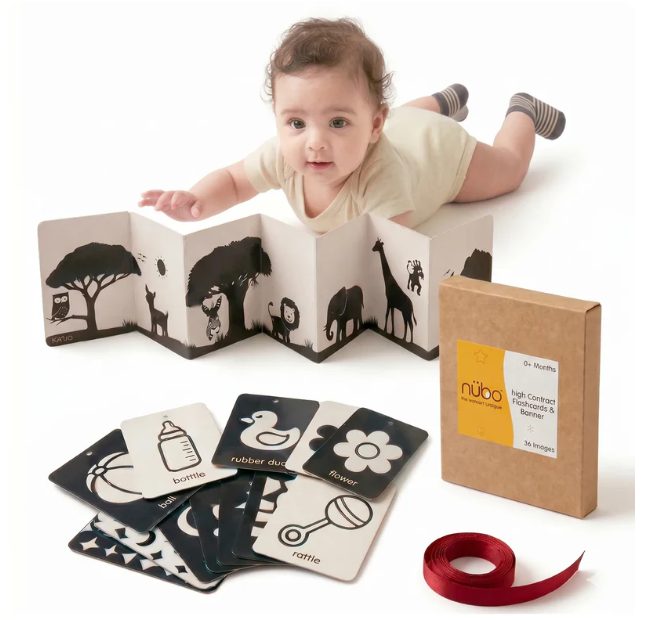
High Contrast Flashcards & Tummy Time Banner
Newborn – 4 months | Portable | Tummy time support
₹299
Common Concerns Parents Raise (and What the Research Says)
Is silicone really safe? Research indicates that medical-grade silicone is non-toxic and doesn't leach chemicals—even when chewed or heated. The worry usually comes from confusion with lower-grade plastics. Medical-grade silicone is specifically treated and tested.
How often should I sterilize toys? Parents often stress about this more than necessary. Regular cleaning (soap and water or dishwasher) is sufficient for most toys. Sterilization (boiling, steam) is useful after illness or if a toy has fallen on a dirty floor, but daily sterilization isn't required for healthy babies. Use your judgment—and your time—wisely.
Are expensive toys better than budget options? Not necessarily. Many experts suggest that thoughtful design matters more than price. A well-designed ₹449 teether used daily is better than a ₹2,000 toy that's hard to clean and doesn't match your baby's stage.
Frequently Asked Questions
Q: What makes a toy safe for newborns?
A: Safe newborn toys should have BIS certification or equivalent testing, be made from non-toxic materials (medical-grade silicone, natural rubber, organic cotton), have no small parts or choking hazards, and be easy to clean. Always check for rough edges or parts that could break off. Supervision is always important, but certified products have met verified safety standards.
Q: How do I know if a silicone teether is right for my baby?
A: Silicone teethers work best for babies around 3 months and older who are reaching and grasping intentionally. Younger newborns may not have the coordination to hold them, so they're most useful once your baby is actively mouthing objects. Watch your baby's behavior—if they're putting their hands or toys in their mouth, a teether is timely. Features like textured surfaces and easy-grip shapes make them especially useful during the 4–6 month teething phase.
Q: Can I use the same toys for multiple children?
A: Yes, if they're cleaned thoroughly between children. Many parents appreciate toys that can transition across siblings because they're durable and easy to sanitize. Silicone toys are particularly good for this—just wash them well with soap and water or run through a dishwasher, and they're ready for the next child.
Q: Why are high-contrast books recommended for newborns?
A: Newborns have limited color vision and focus best on strong contrasts—typically black, white, and bold patterns. Research indicates that high-contrast visuals stimulate visual development and help babies practice tracking and focusing. Many experts suggest these are especially useful during tummy time and early visual engagement. Around 3–4 months, as color vision develops, babies show interest in a wider range of visual input, but high-contrast materials remain useful.
Q: How do I avoid buying toys my baby won't use?
A: The most helpful approach is to match toys to your baby's developmental stage and consider your lifestyle. If you're always on the go, choose portable toys. If cleaning is hard to fit in, prioritize dishwasher-safe options. Read reviews from parents with similar situations (similar age, similar routine), not just high ratings. And start with fewer, more intentional pieces—you can always add later if something isn't working.
Q: Are toys designed with Montessori principles actually different?
A: Yes, in meaningful ways. Montessori-inspired toys are typically simpler, less overstimulating, and designed for purposeful play rather than passive entertainment. They often focus on one learning concept per toy and encourage exploration at the baby's own pace. Many parents find these toys hold their child's attention longer and create a calmer play environment, though every baby is different. The underlying idea is that less can be more.
Conclusion: Trust Yourself, Do Your Research, Move Forward
Choosing safe toys for your baby doesn't require perfection—it requires basic knowledge, a clear head, and permission to stop overthinking. Real parents aren't obsessing over every microscopic risk; they're looking for products that are certified safe, actually useful in their daily lives, and matched to their baby's age.
When you focus on what truly matters—material safety, ease of cleaning, and developmental fit—the choices become much simpler. You'll feel calmer, your baby will have toys they actually use, and you'll have one less thing to stress about in those early months.
Your job isn't to buy perfect toys. It's to make thoughtful choices with the information you have. And if you're reading this, you're already doing that. Trust yourself—you've got this.


leave a comment
This site is protected by hCaptcha and the hCaptcha Privacy Policy and Terms of Service apply.